Bankinter’s Global Top Ten portfolio is a neat reminder that the best long-term investing ideas often come from owning durable businesses, not chasing the market’s loudest headlines.
Bankinter Global Top Ten Stocks and AI Exposure
Nvidia Corp
The Spanish bank’s model portfolio, built by Aránzazu Bueno, groups 10 global leaders across technology, health care, luxury and financial services, with Nvidia, Microsoft, Alphabet, Amazon and TSMC providing the core exposure to artificial intelligence and cloud computing, while Ferrari, Hermès and LVMH anchor the premium consumer side. Eli Lilly and Morgan Stanley round out a list designed for medium- to long-term compounding, with the common thread being strong competitive positions and the ability to turn growth into cash.
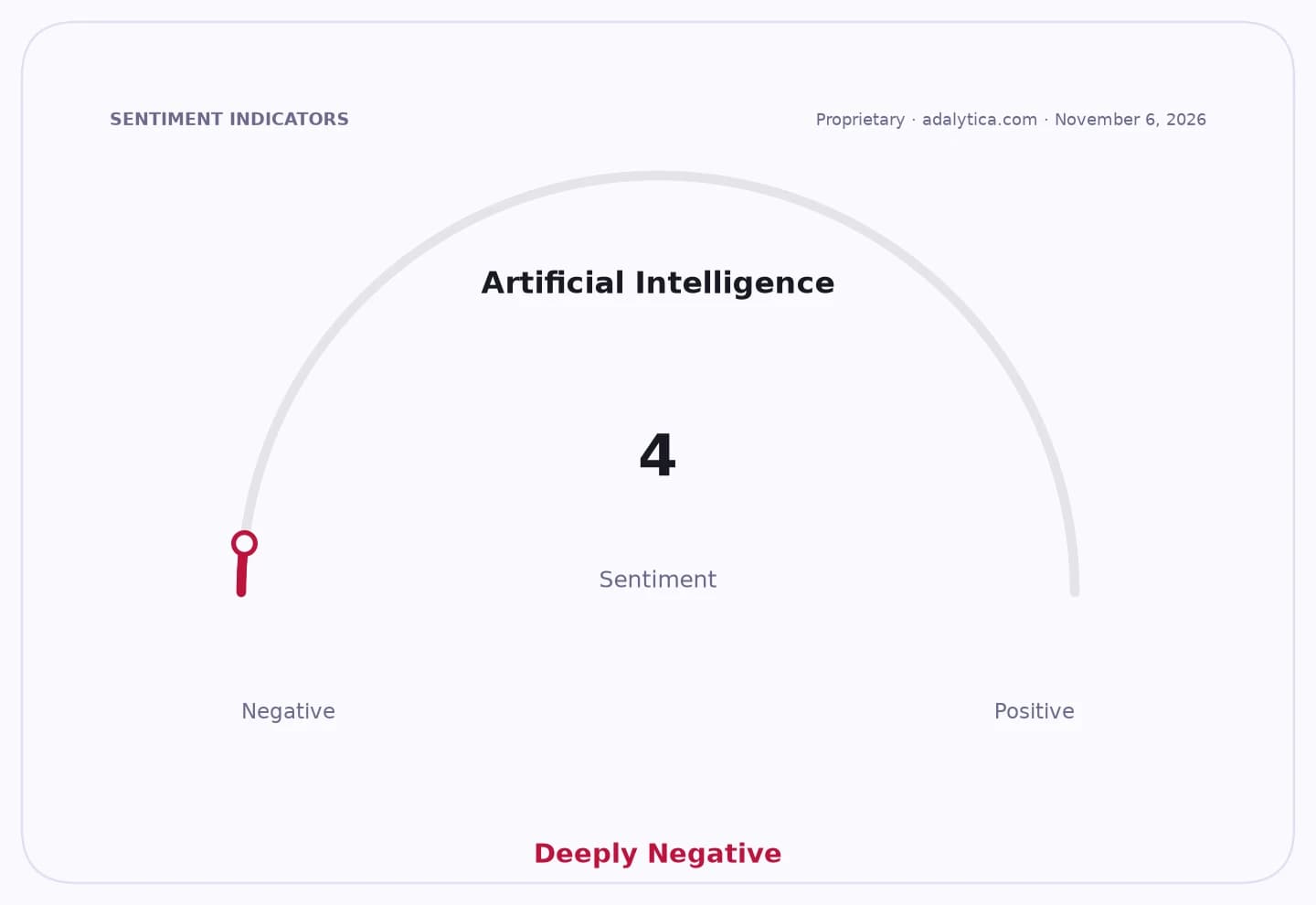
Sentiment Indicators
That matters because it captures two of the most powerful investment themes of this decade: the shift toward AI infrastructure and the resilience of wealthy consumers. Nvidia remains the clearest play on demand for computing power, while Microsoft, Alphabet and Amazon offer broader ways to participate in cloud adoption and AI software. TSMC is the plumbing behind the boom, manufacturing the chips that make it all possible. If you want to own the AI economy, this is the kind of portfolio construction that makes sense for investors who think in years, not quarters.
The luxury names serve a different purpose. Ferrari is prized for tight production control and pricing power, while Hermès and LVMH offer exposure to brands that can keep growing even when the economy slows. That combination gives the portfolio a balance many growth investors miss: businesses tied to secular innovation alongside businesses with real scarcity value and loyal customers. Eli Lilly adds another long-duration theme in obesity treatment, where the market opportunity could remain large for years.
Nvidia Corp — 30-day sentimentadalytica.com
Explore this data interactively — full history, time series and cross-market comparisons.
The recent price action shows why diversification across those themes matters. Nvidia has been volatile, closing at $186.64 on Nov. 6 after a sharp slide that pushed its 14-day RSI to 29.6, a level technical analysts often view as deeply oversold. Ferrari, by contrast, has held up far better, ending at $416.13 with its 200-day moving average still trending well below the price, a sign of a stronger long-term uptrend even after a pullback from earlier highs. In plain English, one of the portfolio’s biggest technology winners has cooled hard, while one of its premium industrial names has stayed resilient.
For investors, the takeaway is less about any single stock and more about the portfolio logic. Bankinter is effectively arguing that the next several years will reward businesses with secular growth, pricing power and strong balance sheets. That is a sensible framework in an environment where market sentiment can swing quickly — Adalytica’s sentiment reading on Nvidia, for example, sat in “Extreme Fear” territory in the latest snapshot — but long-term earnings power still drives returns.
The broader lesson is that a concentrated list of elite franchises can work, but only if investors are willing to live through volatility and hold on to the underlying thesis. For most people, the smartest version of this approach is not to copy a 10-stock portfolio exactly, but to use it as a screen for finding durable leaders across AI, health care and luxury, then build a more diversified base around them. Worth watching, and for long-term investors, worth considering as part of a patient buy-and-hold strategy.
| Entity | Gains | Losses |
|---|---|---|
| Nvidia, Microsoft, Alphabet, Amazon, TSMC | ▲AI and cloud exposure | ▼Valuation and volatility risk |
| Ferrari, Hermès, LVMH | ▲Pricing power and brand scarcity | ▼Cyclical luxury demand |
| Eli Lilly | ▲Obesity-drug growth runway | ▼Drug-pricing and competition risk |
| Bankinter investors | ▲Concentrated access to secular winners | ▼Need for patience and discipline |