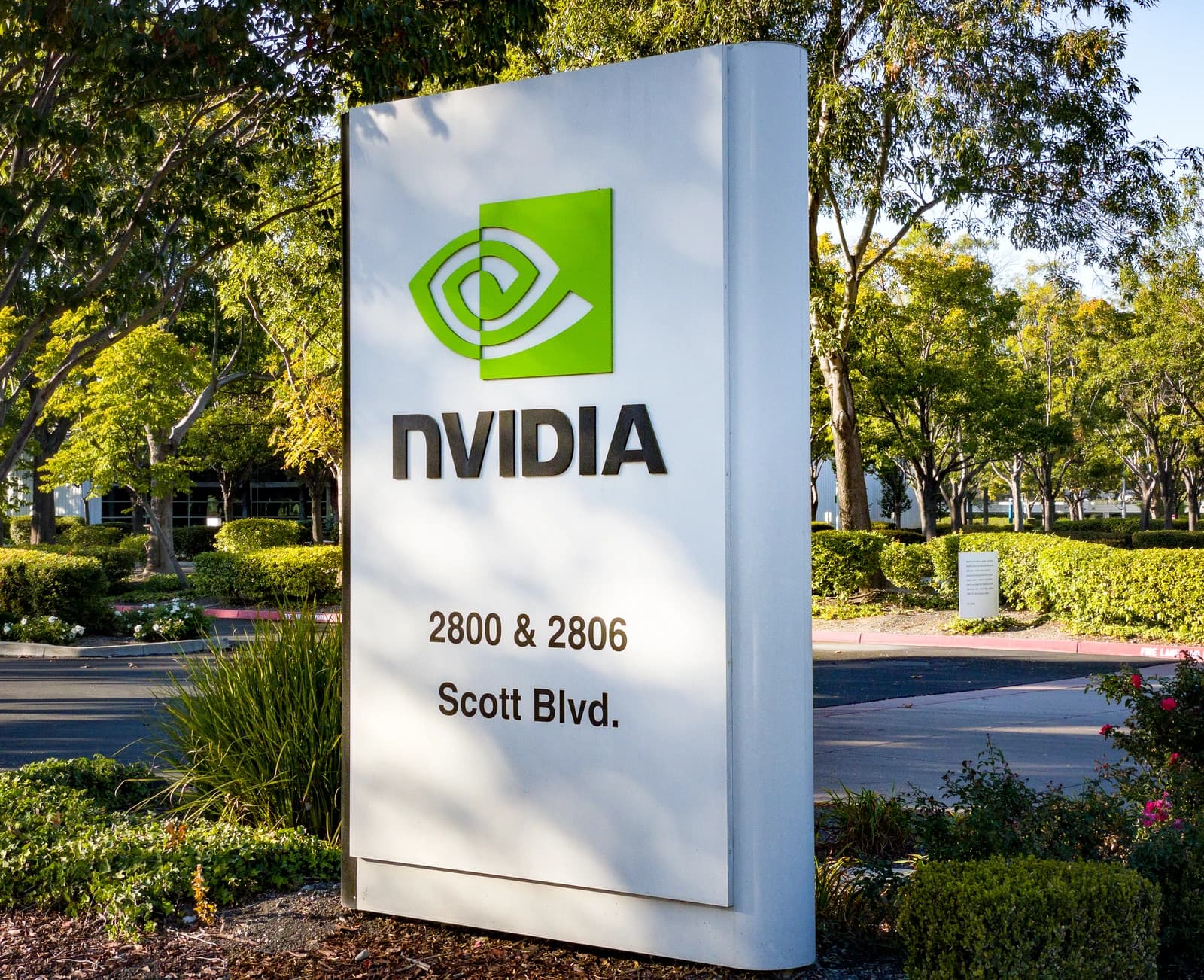
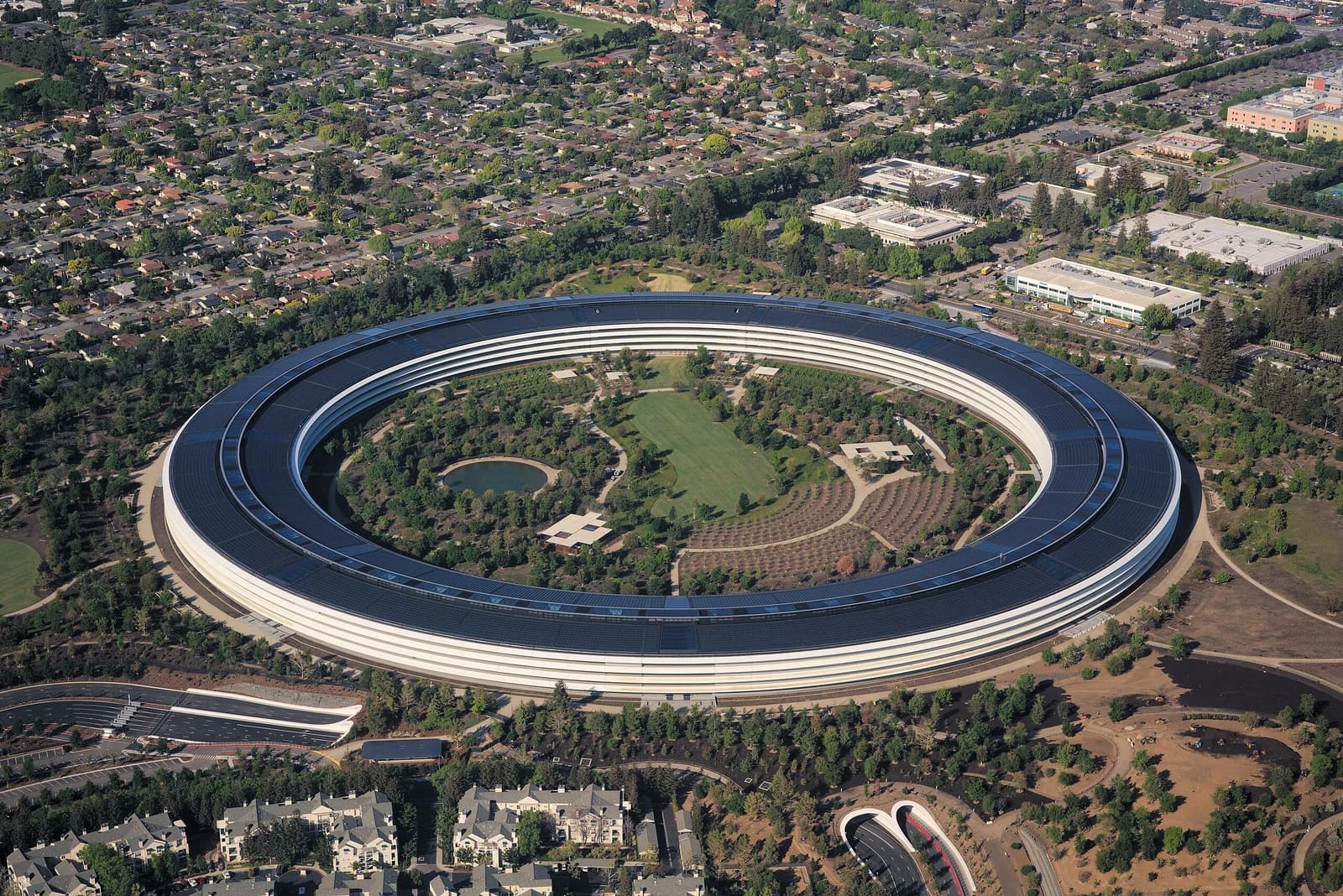
Nvidia has slipped out of the top spot again, with Apple reclaiming the title of the world’s most valuable company — a reminder that even the most unstoppable market champions can lose their crown when valuations and expectations get stretched.
Apple Reclaims Most Valuable Company Crown
For investors, that matters because “No. 1” is never just a trophy. It reflects where the market thinks the most durable profits will come from next, how much growth is already priced in and which businesses can keep compounding through the next cycle. In other words, the battle for the top ranking is really a battle over future cash flows.
Sentiment Indicators
History says the answer is often less dramatic than the headline suggests. Some leaders stay on top for years because they combine huge free cash flow, pricing power and buyback capacity. Others briefly surge to the summit when a secular theme — like AI — captures the market’s imagination and pulls in capital faster than earnings can catch up. Nvidia has been the emblem of that AI trade, but Apple’s return to first place shows how quickly the market can rotate when one megacap cools and another steadies.
The share-price action underlines that point. Nvidia’s stock has fallen to about $186, well below its 50-day moving average of roughly $220 and its 200-day average near $204, with its relative strength index sliding to 29.6 and Adalytica’s NVIDIA Earnings Sentiment in “Extreme Fear.” Apple, by contrast, has held around $342, above both its 50-day and 200-day averages, even after a recent pullback from its highs. Microsoft remains in the mix too, but its own recent volatility shows how concentrated leadership among megacaps can shift in days, not just years.
That does not mean Nvidia’s long-term story is broken. Far from it. The company is still sitting at the center of the AI buildout, and the long runway for accelerated computing, data centers and inference workloads remains intact. But the stock market is not paying only for the story; it is paying for the pace at which that story turns into earnings, margins and free cash flow. When a stock as richly owned as Nvidia stumbles, the market is really asking whether growth can outrun expectations that were set very high.
Apple’s advantage is different, and that is why the company keeps coming back into the conversation whenever leadership changes hands. It is a cash-generating machine with enormous installed-base loyalty, a services business that is still compounding and one of the most aggressive capital return programs in the market. In its latest filing, Apple said it repurchased $85.8 billion of stock in 2026 and paid $15.7 billion in dividends and dividend equivalents. That kind of steady buyback power can support a stock even when growth is slower than Nvidia’s.
The broader lesson for long-term investors is that market leadership is not a straight line. The biggest winners in history were often the companies that could endure, not just the ones that could sprint. If you are building wealth over 3 to 10 years or more, the right response is not to chase whichever company is momentarily No. 1. It is to own businesses with strong moats, real cash generation and enough balance-sheet strength to survive the next rotation.
That is why this shift is worth watching, not panicking over. Nvidia remains a core AI name, Apple remains a compounding machine, and Microsoft still has its own long-term cloud and AI optionality. But the fact that the top slot can change so quickly is a useful reminder: even the market’s brightest stars can trade places, and investors are usually better served by staying diversified and patient than by trying to crown the winner in real time.
| Entity | Gains | Losses |
|---|---|---|
| Apple | ▲Market cap crown | ▼Short-term momentum chasers |
| Nvidia | ▲Long-term AI believers if shares stabilize | ▼Near-term holders amid volatility |
| Microsoft | ▲Diversification within megacap tech | ▼Investors expecting one-way leadership |
| Broad index investors | ▲Portfolio balance and rotation opportunities | ▼Concentrated bet on a single winner |