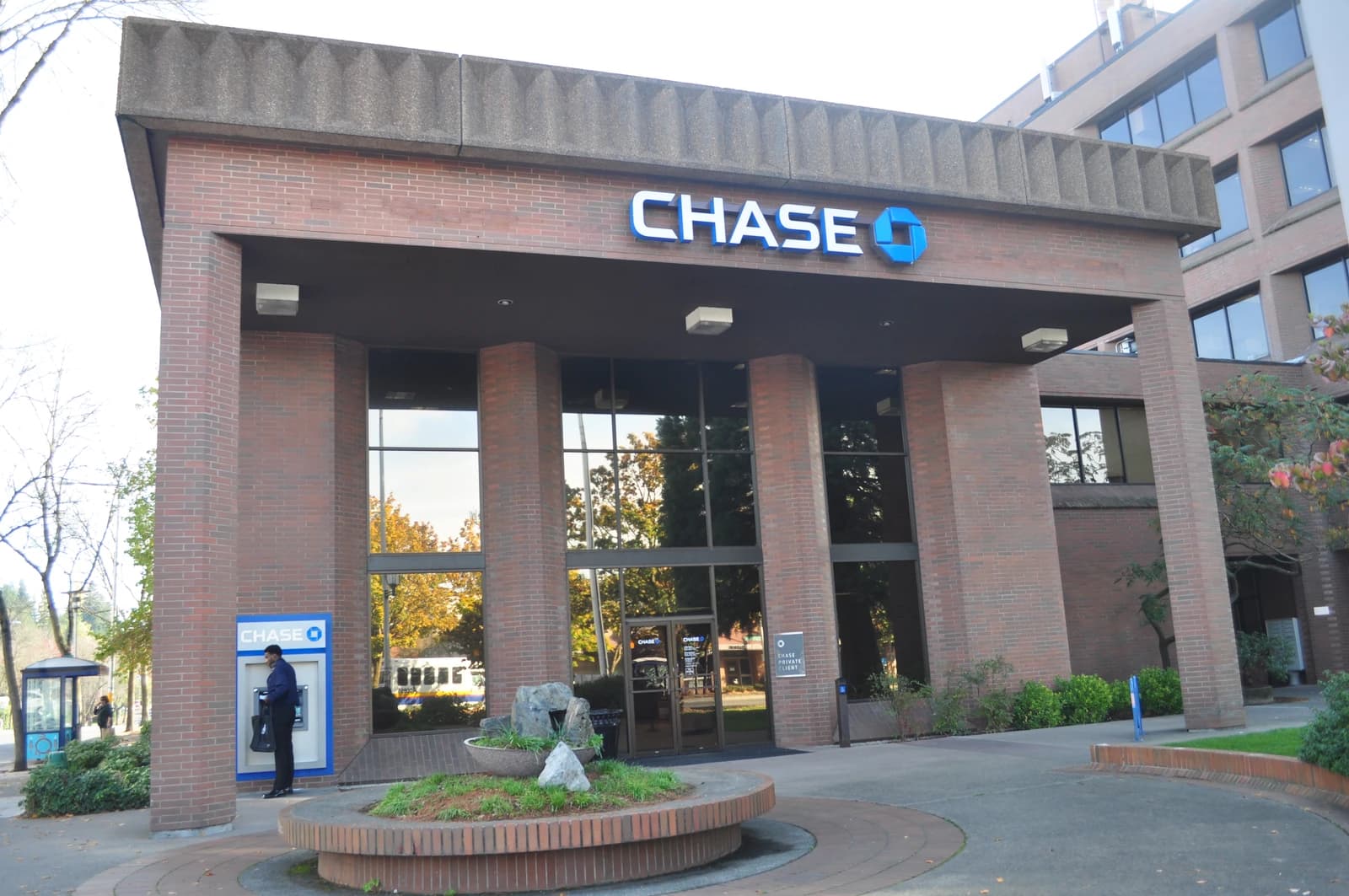
JPMorgan Chase’s software glitch that briefly knocked Wells Fargo and other banks offline is a reminder that the biggest threat to the banking system may not be credit losses or regulation, but operational fragility.
JPMorgan outage raises bank tech resilience focus

For investors, that matters because payments, deposits and online access are now core to how banks retain customers and defend fee income. A short-lived outage can ripple across the sector, testing client trust at a time when lenders are already spending heavily on cyber defenses, system upgrades and resilience. The market has spent years pricing banks as balance-sheet stories; this is a reminder they are also technology businesses with real execution risk.
The issue is not isolated. News of the outage lands alongside a fresh arrest tied to a $53 million fraud scheme and broader warnings from banks about disruptions, unauthorized access and fraud. JPMorgan, Wells Fargo and Bank of America all flag operational-system failures and cyber attacks as material risks in recent filings, underscoring that the industry is moving deeper into a world where software integrity is as important as loan quality.
That is a subtle but powerful investment shift. Banks with larger technology budgets and stronger digital infrastructure should be better positioned to absorb these shocks, while institutions that lag on resilience face higher reputational risk and potentially higher compliance costs. Even a headline as simple as a software glitch can become a catalyst for more spending, more scrutiny and more consolidation in banking technology.
The stock tape suggests the market is still treating these as episodic events rather than a structural operating cost. JPMorgan, Wells Fargo and Bank of America remain near their longer-term trend levels, but the real story is not the day-to-day move. It is the growing premium for banks that can prove uptime, security and payment reliability in a system where customers can switch with a tap.
My takeaway: this is another reason to favor the banks and financial infrastructure names that own the technology stack, not those merely exposed to it. The next competitive edge in banking may come less from lending spreads and more from operational resilience.
| Entity | Gains | Losses |
|---|---|---|
| JPMorgan Chase | ▲Focus on resilience spending | ▼Reputational hit from glitch |
| Wells Fargo | ▲Sector-wide scrutiny on uptime | ▼Temporary service disruption |
| Bank of America | ▲Investment case for stronger tech | ▼Exposure to outage risk |
| Banking tech vendors | ▲Higher demand for upgrades | ▼Legacy systems and laggards |