The Central Bank warned that a mix of rising public debt, stretched asset valuations and AI-linked cyber vulnerabilities is keeping global financial risks elevated, a backdrop that matters because it raises the odds of a sharper tightening in funding conditions and a spillover into growth, credit and equity markets.
Central Bank warns on debt, AI risk, and cyber threats
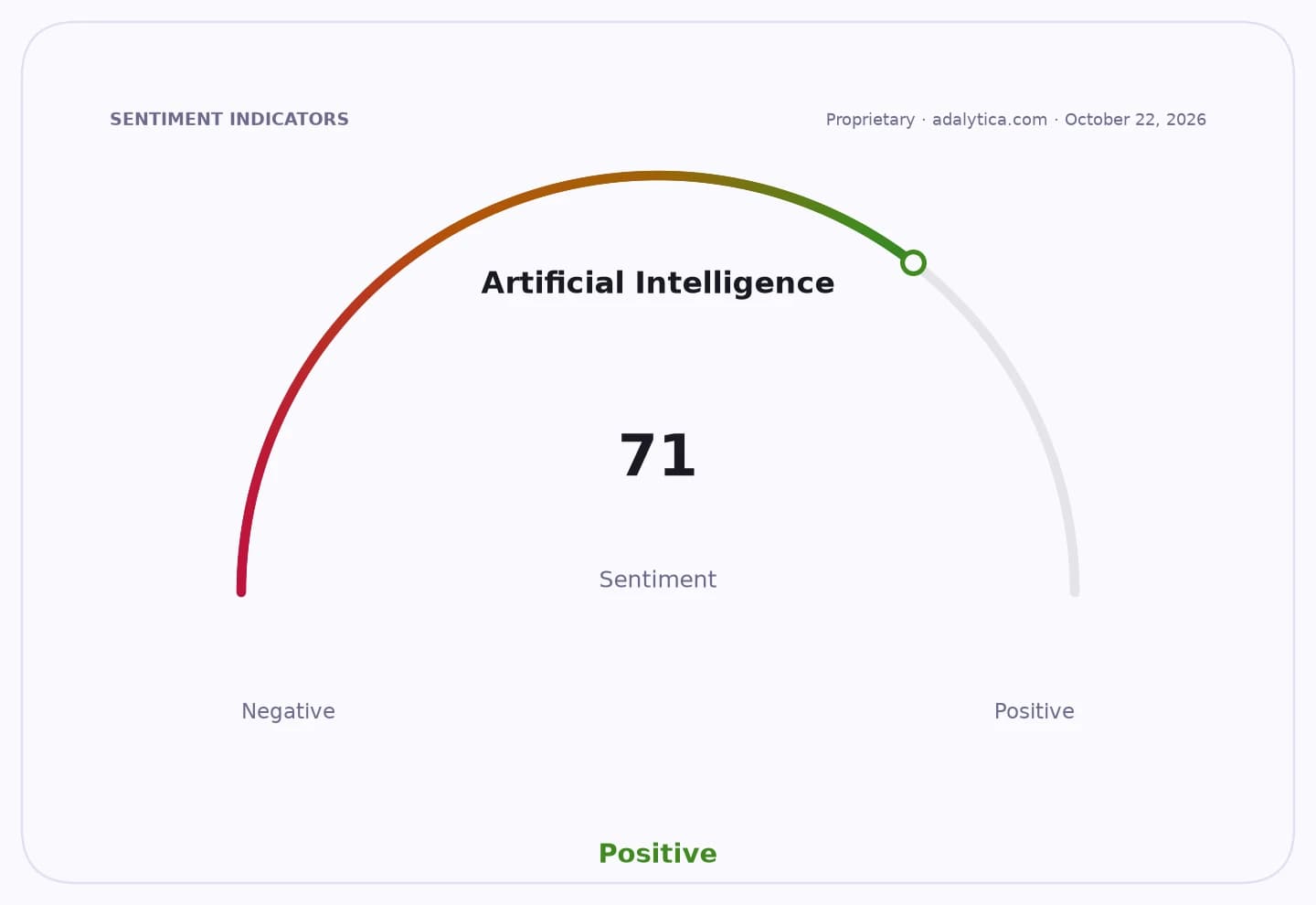
Artificial Intelligence
In its latest Financial Stability Report, the bank said the probability of an abrupt worsening in global financial conditions remains high, with markets still exposed to the fiscal strains of some developed economies, persistent geopolitical shocks in the Middle East and the growing concentration of capital in AI-related assets and companies.
Sentiment Indicators
That combination is economically important because it leaves the global system more vulnerable to a repricing in long-duration assets and riskier credit just as borrowing costs remain sensitive to moves in US rates. The report noted that long yields in Europe have already reflected debt concerns, while issuance tenors have shortened globally, a sign investors are demanding less time exposure from borrowers.
The AI channel is emerging as a new fault line. The central bank pointed to growing debt tied to the AI sector and to the rising role of non-bank financial intermediaries in financing private and sovereign debt, with limited visibility over their loan books and links to traditional banks. That matters for investors because the same capital flows that have powered the AI trade can quickly unwind if funding conditions tighten or if expectations for monetisation weaken.
Artificial Intelligence — 30-day sentimentadalytica.com
Explore this data interactively — full history, time series and cross-market comparisons.
Cybersecurity is now part of the macro risk set. The bank said more advanced AI models are increasing the capacity to break security systems, raising the risk of simultaneous incidents that could become systemic. The warning echoes growing industry concern that AI can be used to automate attacks at scale, widening the gap between the speed of threats and the preparedness of corporate defenses.
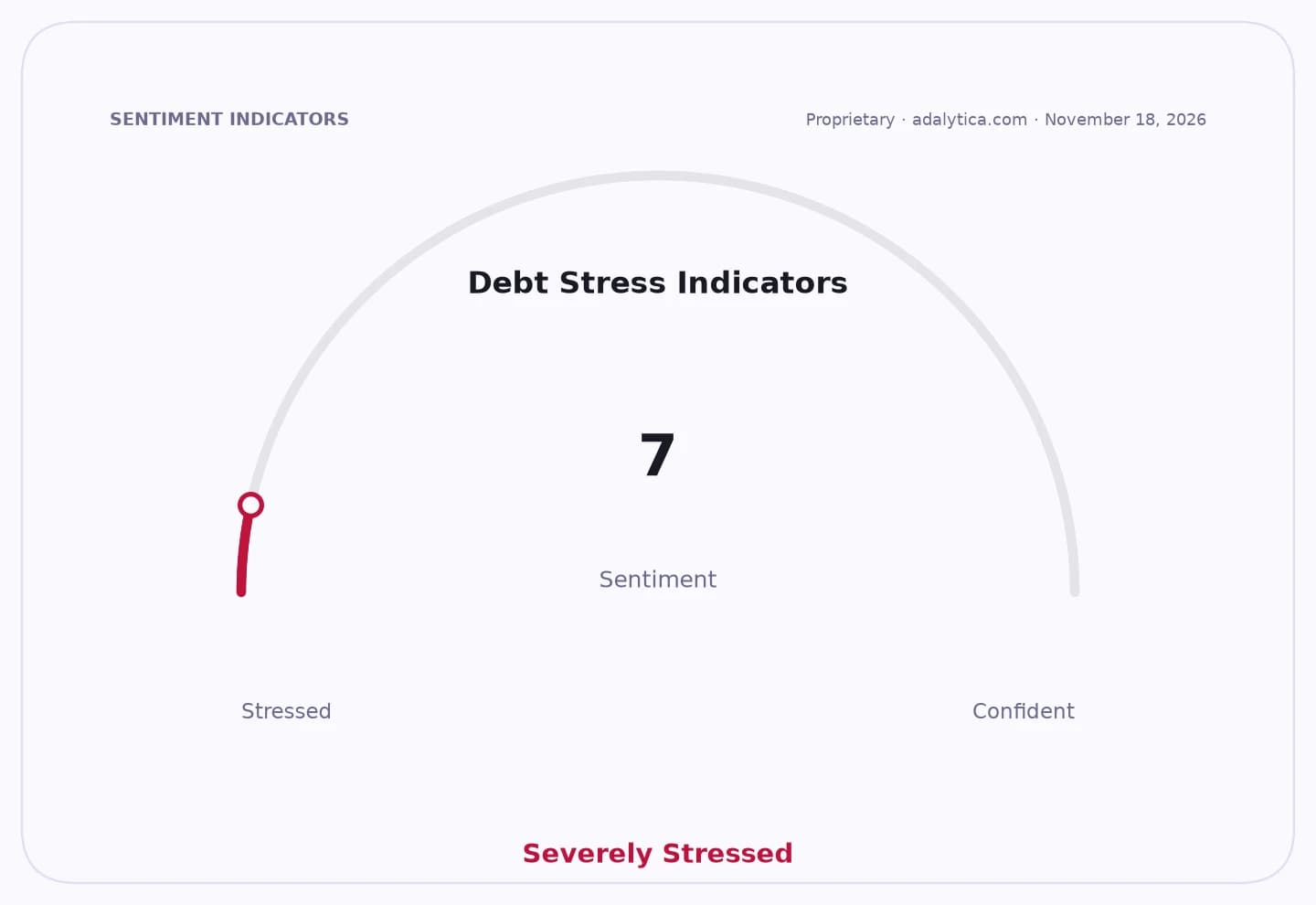
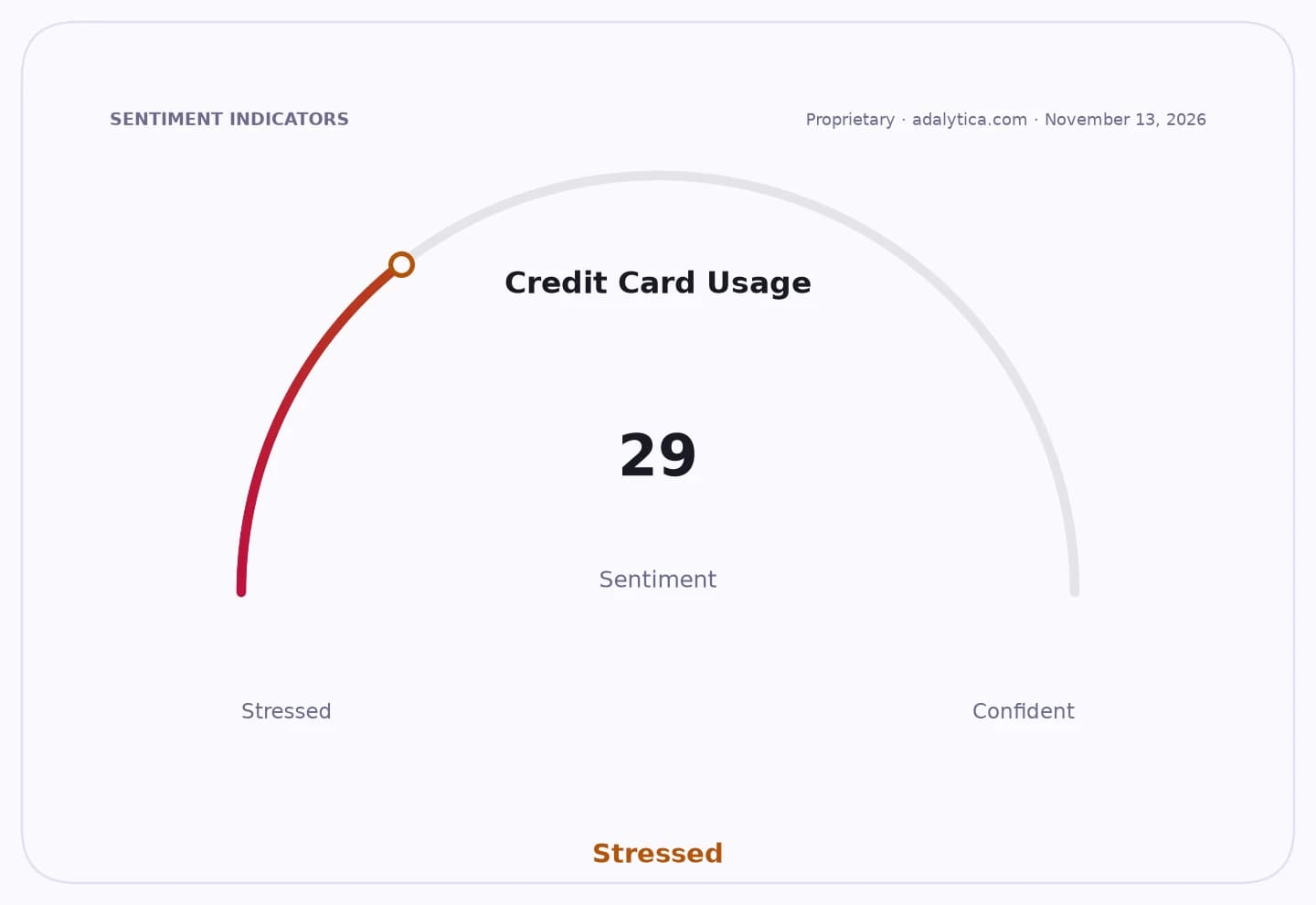
For Chile, the report also painted a softer domestic credit picture. Growth expectations for consumption and investment were revised lower, while companies in manufacturing and retail are showing higher leverage, heavier interest burdens and more delinquency. Households face a modest rise in debt servicing costs as formal job creation slows and incomes soften.
Even so, the bank said the domestic banking system still has adequate capital, and it kept the countercyclical capital buffer on a path toward its neutral 1% level. That suggests policymakers are not seeing an immediate threat to financial stability, but are preserving room to absorb stress if the external backdrop deteriorates.
For investors, the message is that the next leg of market stress may come less from one single shock than from several vulnerabilities colliding at once: sovereign debt concerns, AI exuberance, weaker credit quality and cyber risk. That argues for closer scrutiny of funding structures, bank exposure to non-bank lenders and the durability of the AI investment cycle.
| Entity | Gains | Losses |
|---|---|---|
| Chilean banks | ▲Adequate capital buffers | ▼Slower credit growth |
| Households and firms | ▲Policy backstop if stress worsens | ▼Higher debt-service burden |
| AI-linked equities | ▲Continued capital inflows | ▼Valuation repricing risk |
| Non-bank lenders | ▲Greater market share | ▼Scrutiny over leverage and interconnections |