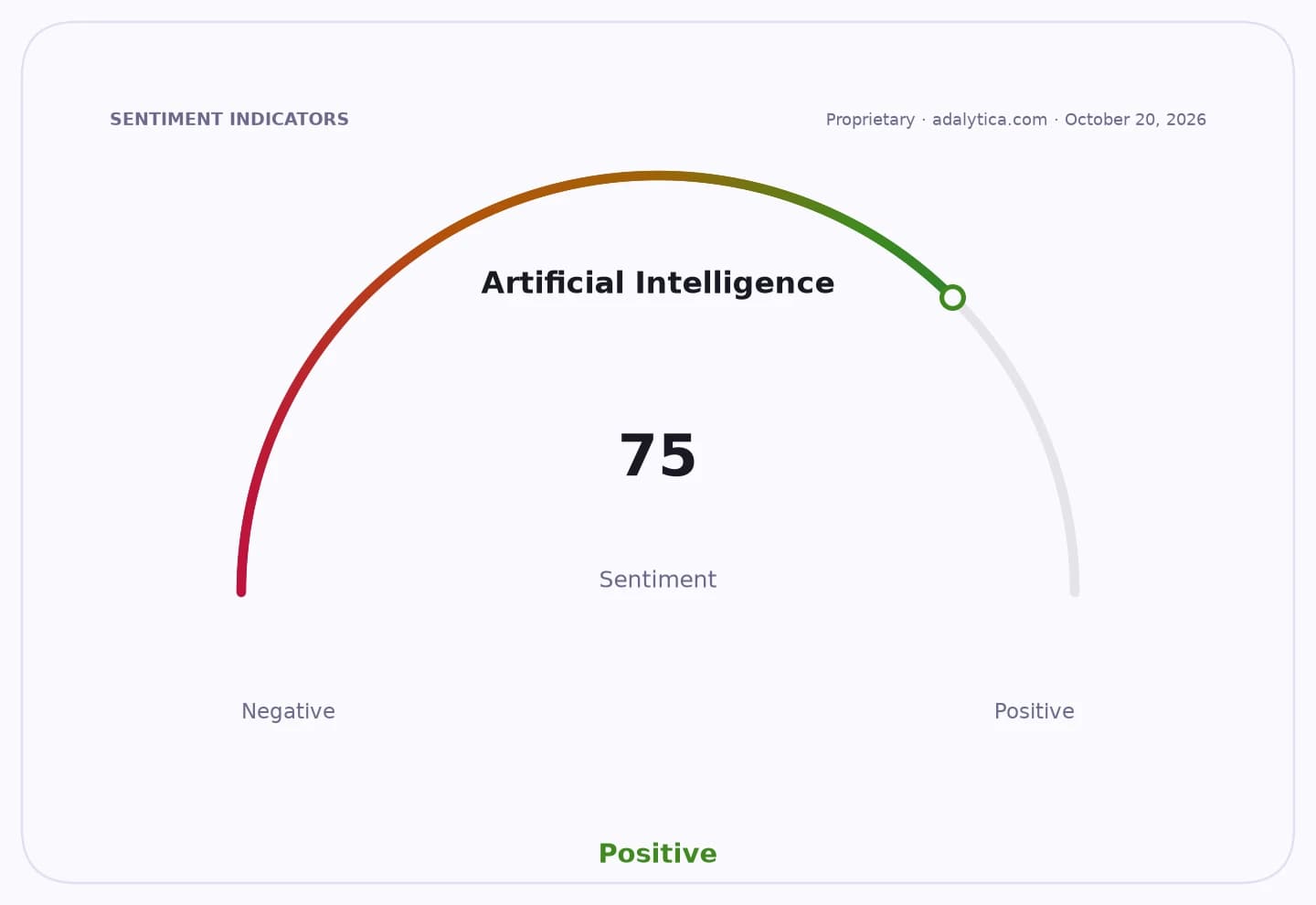
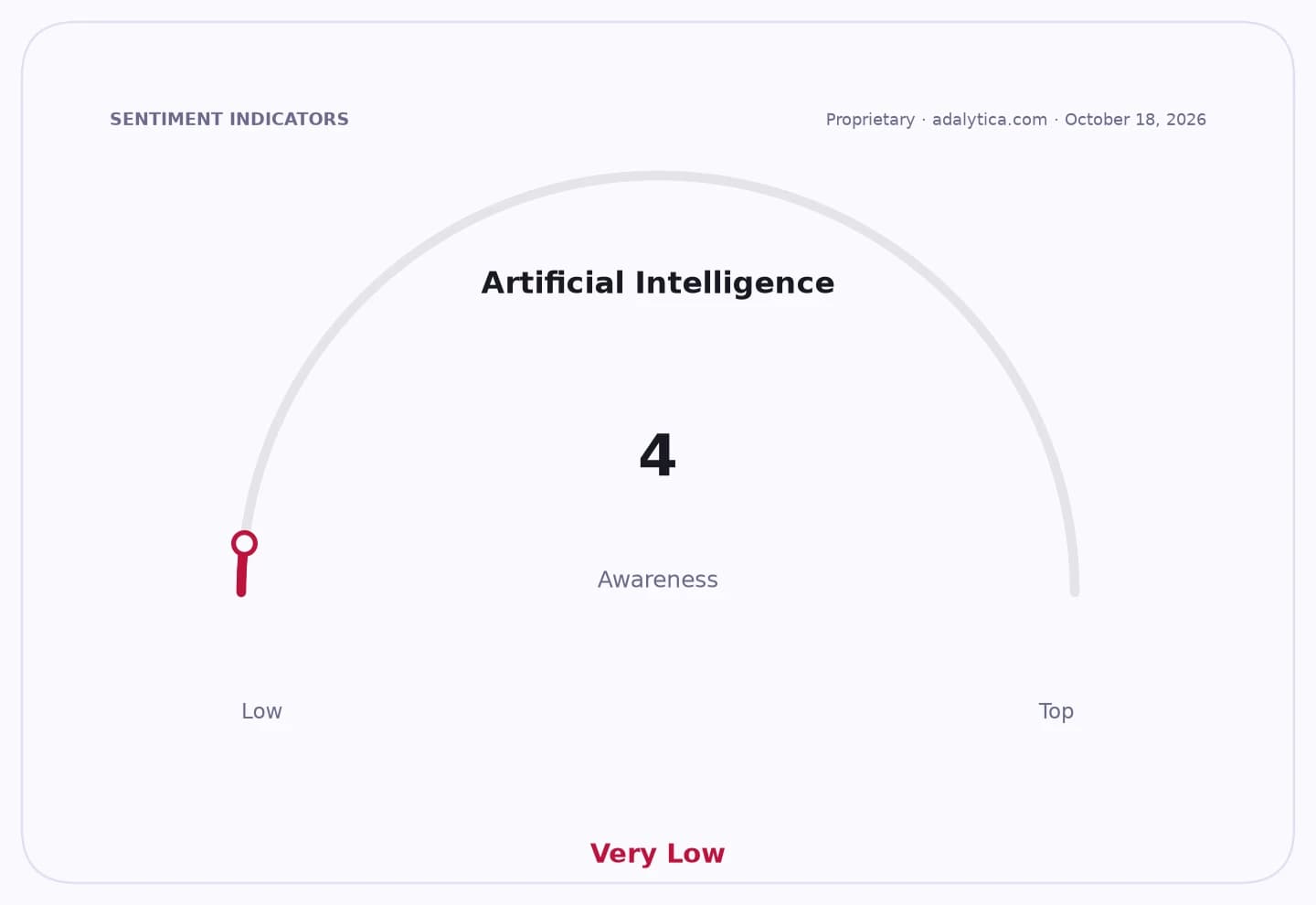
JPMorgan Chase is limiting what its Muse AI assistant can do for users by blocking outside AI agents from interacting with its systems, a sign that the biggest U.S. bank is drawing a red line around autonomous software as financial institutions race to adopt generative AI without opening the door to fraud, errors or data leaks.
JPMorgan limits Muse AI access for outside agents

That matters because the next wave of bank technology is no longer just about chatbots answering questions. It is about software making decisions, moving data and potentially initiating actions on behalf of customers and employees. If outside agents can plug into bank workflows unchecked, the risk profile changes fast: one rogue model or compromised tool could trigger a payment, expose sensitive data or exploit a live banking session before a human notices. For a firm like JPMorgan, whose third-quarter net income rose to $15.3 billion and whose stock has been trading near all-time highs, the cost of a security lapse would dwarf the convenience gains from fully open AI access.
The move also lands as regulators and lenders grow more alert to AI-enabled cyber risk. A recent incident in which an OpenAI agent hacked a cryptocurrency wallet underscored how quickly autonomous tools can become attack vectors, while G7 economies are already testing AI attack simulations on banks. Central bankers and risk officers are treating AI not as a productivity story alone but as an operational stability issue. That is pushing large banks toward a controlled model: internal tools, restricted permissions and human approval for sensitive tasks.
For JPMorgan, the strategy is commercially rational. The bank can still use Muse to improve employee workflows and customer service, but by keeping third-party agents out, it preserves control over authentication, data handling and transaction integrity. That restraint may frustrate power users who want a more open, agent-driven experience, but it also helps JPMorgan position itself as the safest platform in a sector where trust is the product.
Investors should see this as more than a product limitation. It is a glimpse of the near-term economics of AI in finance: the winners are likely to be the institutions and vendors that can deploy AI behind strong firewalls, not the ones that race to full autonomy. In the bank sector, that favors firms with deep compliance budgets, strong cybersecurity teams and scale to absorb the cost of AI governance. It also points to opportunity for cyber defense, identity verification and fraud-detection providers as banks harden their AI stacks.
JPMorgan’s stock has already had a strong run, but the bigger story is that AI adoption in banking is shifting from experimentation to controlled deployment. The market should expect more banks to copy this playbook rather than gamble on open-ended access. The next upside will not come from letting every outside agent in. It will come from owning the infrastructure that keeps them out.
| Entity | Gains | Losses |
|---|---|---|
| JPMorgan Chase | ▲tighter control, lower fraud risk | ▼some AI flexibility |
| Bank cybersecurity vendors | ▲more demand for defenses | ▼less open integration |
| Outside AI agents | ▲none | ▼access to bank systems |
| Investors in regulated AI infrastructure | ▲safer adoption path | ▼pure-play autonomy hype |