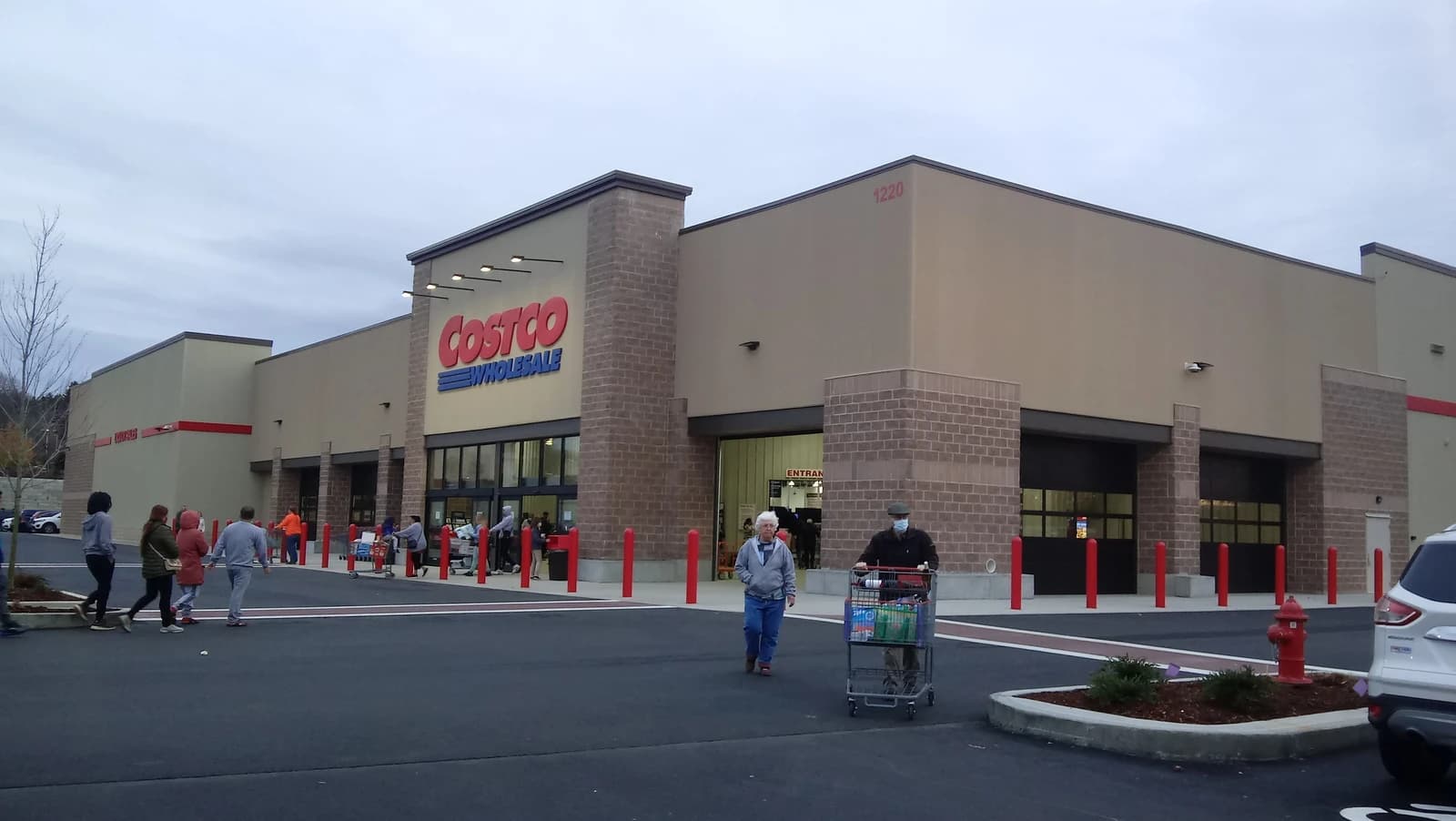
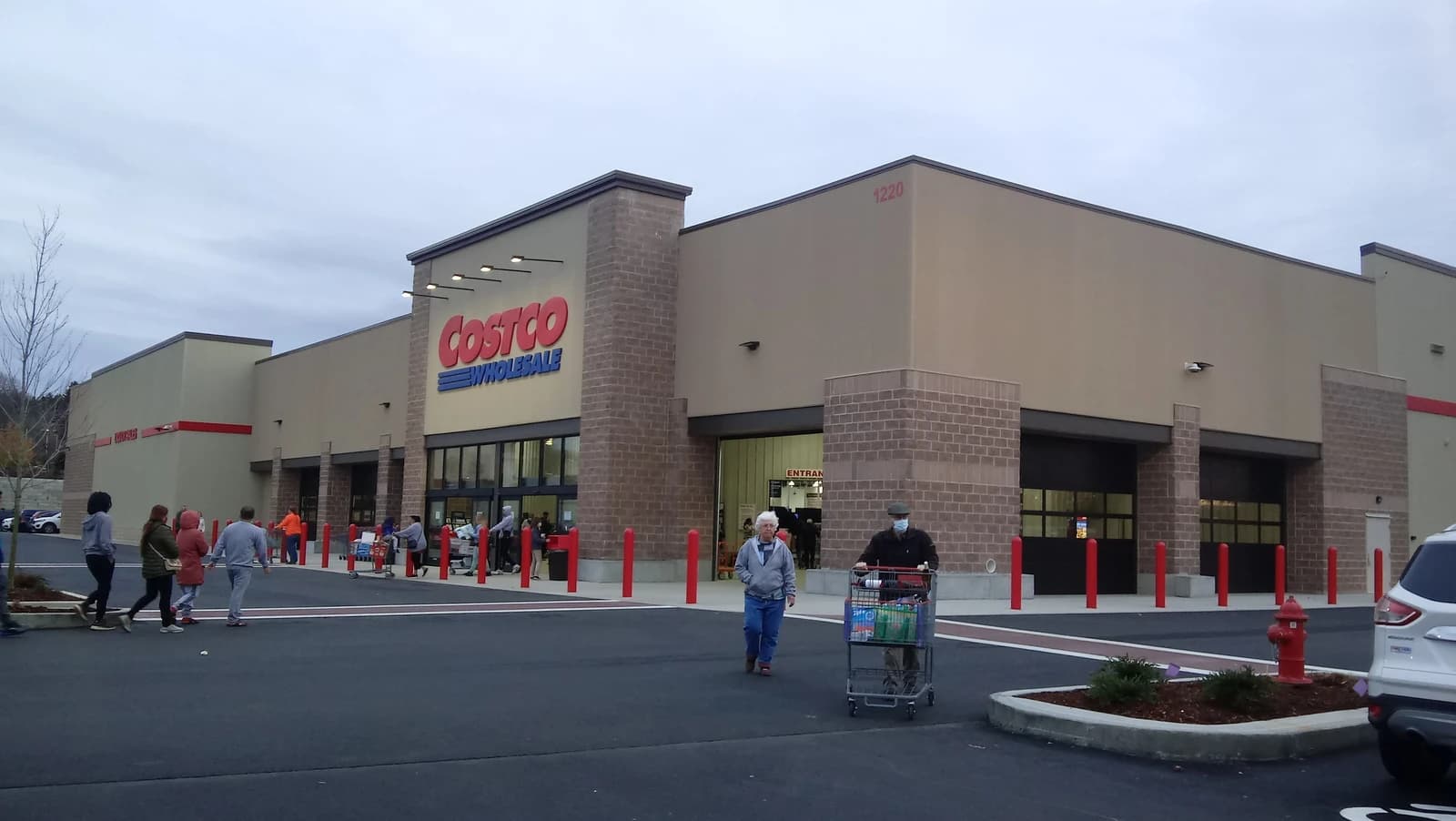
Jim Cramer’s message to Costco investors is simple: don’t overthink the stock. The warehouse retailer is benefiting from a wave of panic buying tied to recent technology outages and lingering consumer anxiety, while a fresh $30 special dividend underscores just how much cash the business can throw off when shoppers flock to its aisles.
Costco stock rises on panic buying and dividend
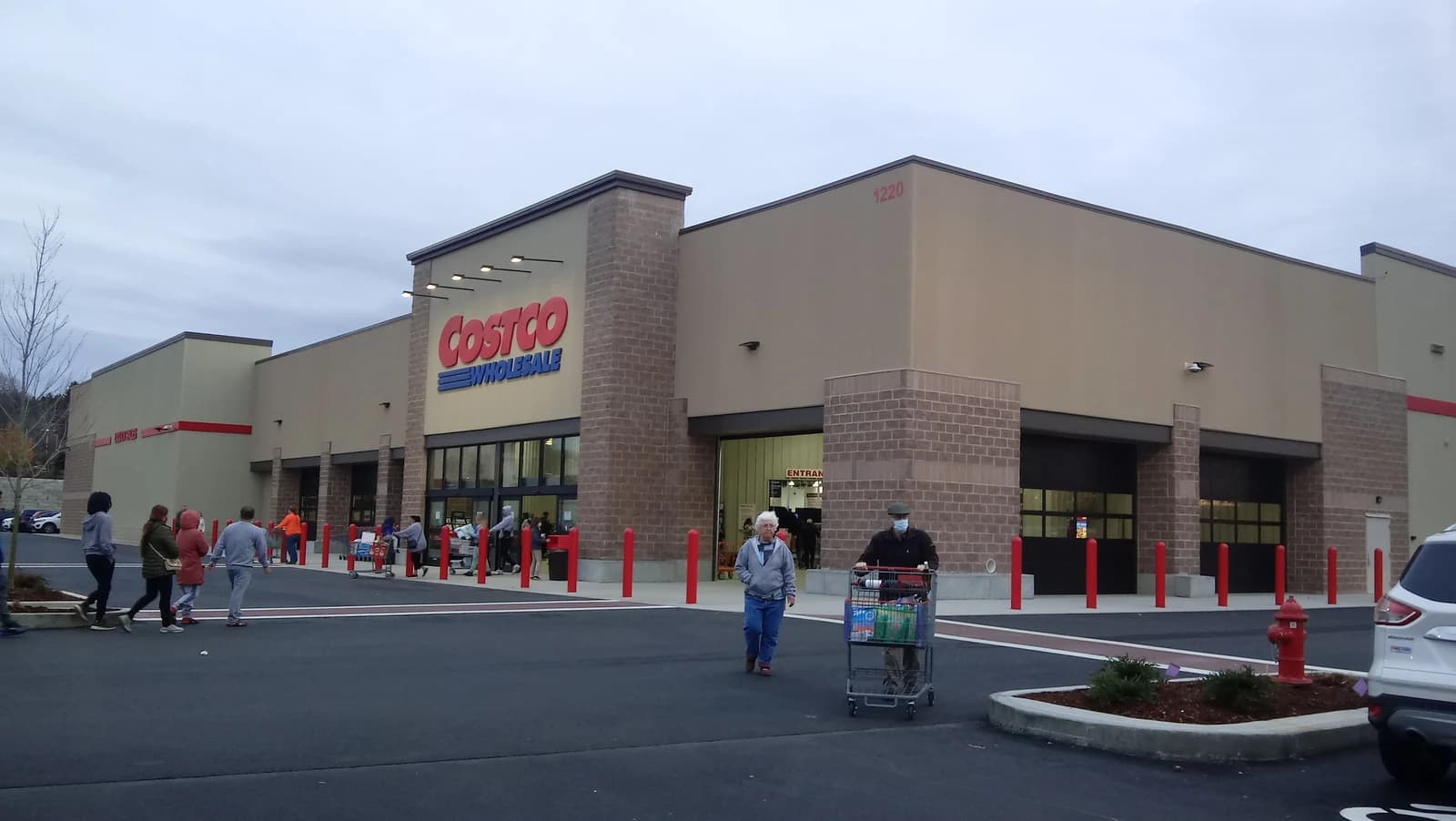
That matters because Costco is exactly the kind of company that tends to reward patient shareholders over time. When households feel uneasy, they trade down to value and stock up on essentials, and Costco’s membership model turns that behavior into recurring revenue and strong cash generation. In a market where fear can send investors chasing the next big thing, Costco keeps proving that boring, reliable retail can still be a compounding machine.
Sentiment Indicators
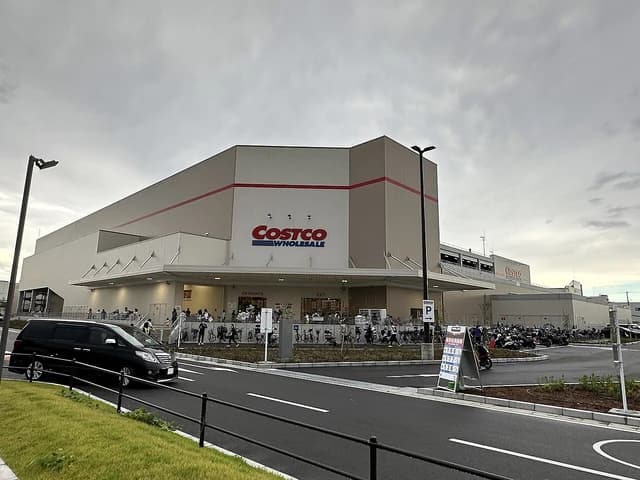
The stock has reflected that resilience. Costco shares closed at $1,093.83 on Nov. 19, hovering well above both the 50-day moving average of $981.81 and the 200-day moving average of $975.77, a sign that buyers remain in control even after a sharp run-up. The shares briefly pushed above $1,110 earlier in the week, and technical readings show momentum has been strong, with the relative strength index in overbought territory. For long-term investors, that kind of price action usually points less to a broken story than to a market that is already starting to price in continued strength.
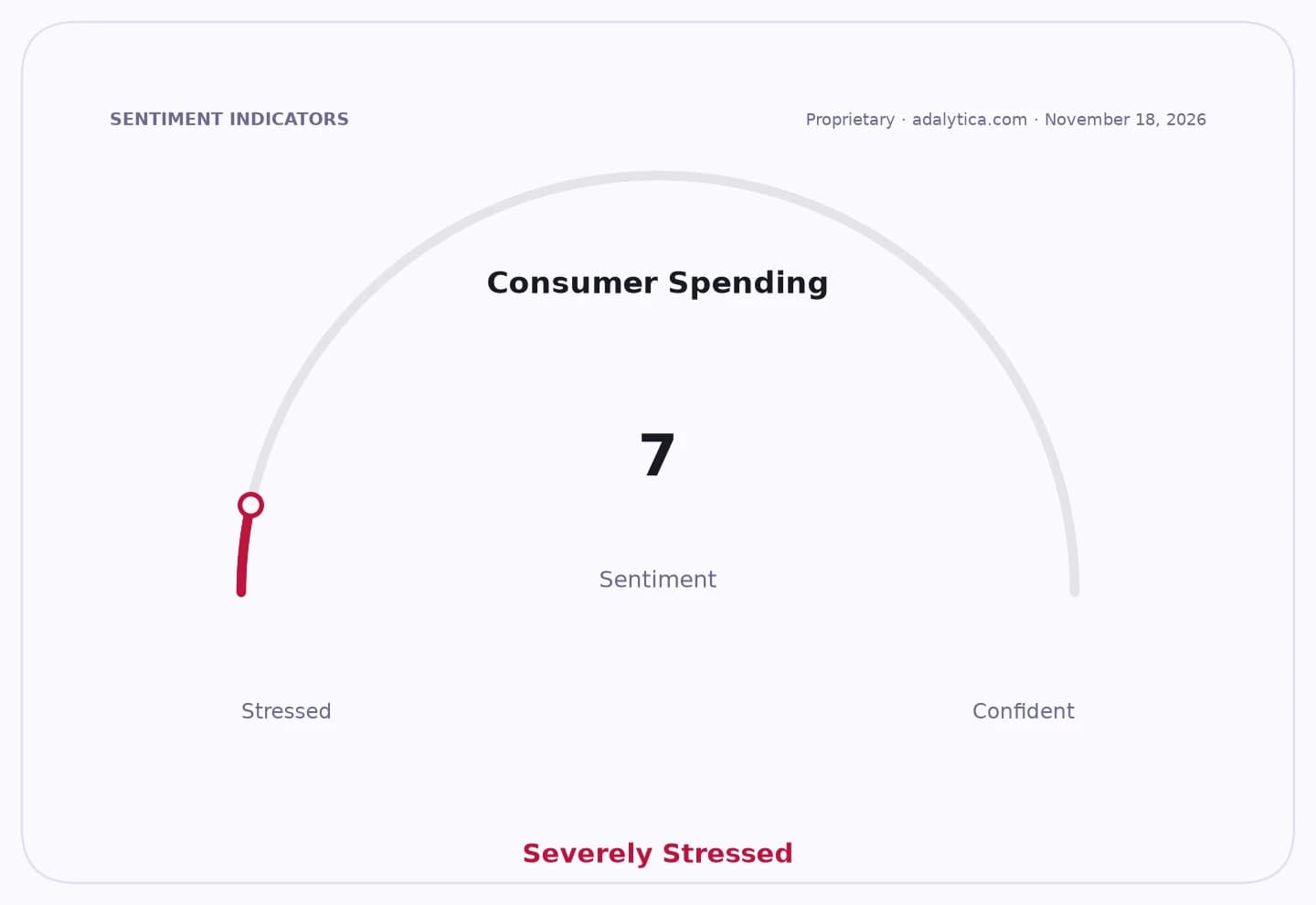
The fundamental backdrop is just as important. Recent data show U.S. unemployment near 4.1% and inflation still running above where the Federal Reserve would like it, a combination that keeps many consumers cautious even if the labor market remains relatively healthy. Adalytica’s consumer spending sentiment gauge is flashing “Extreme Fear,” which is exactly the sort of environment that can push shoppers toward a club store like Costco. When consumers feel stretched, they often buy in bulk, hunt for value, and lean on trusted brands — all of which can help Costco preserve traffic and basket sizes.
S&P 500
That is the deeper investing story here. Panic buying can be temporary, but Costco’s real advantage is structural: membership renewals, pricing power on everyday goods, and a customer base that trusts the company during uncertain periods. The special dividend announced on Nov. 10 is another reminder that management is not just growing sales — it is producing enough excess cash to reward owners directly. For income investors, that matters almost as much as the stock chart.
By contrast, retailers without Costco’s scale and loyalty may not get the same lift from fear-driven spending. Target has shown a stronger recovery in recent months, but it is still fighting a more cyclical battle with promotions, margins and traffic. Walmart remains a formidable competitor, yet Costco’s model is different: fewer items, higher household commitment and a membership engine that can keep cash flow durable even when the economy wobbles. That is why Cramer’s bullish stance resonates — not because Costco is a momentum trade, but because it looks built to endure.
The risk, of course, is that panic buying fades and the stock’s enthusiasm cools after its recent surge. But long-term investors do not need perfection to make money in a business like this. If Costco continues to convert consumer uncertainty into steady sales, disciplined capital returns and membership growth, the stock can remain a core holding for years. For investors building a durable portfolio, Costco still looks worth holding, and any pullbacks may be the kind of opportunity long-term buyers wait for.
| Entity | Gains | Losses |
|---|---|---|
| Costco | ▲Higher traffic and sales | ▼Risk of slower demand later |
| Long-term shareholders | ▲Cash returns and resilience | ▼Near-term valuation risk |
| Walmart and Target | ▲Comparison on value retail | ▼Share of panic-driven basket spending |
| Consumers stocking up | ▲Access to bulk essentials | ▼Higher out-of-pocket spending |