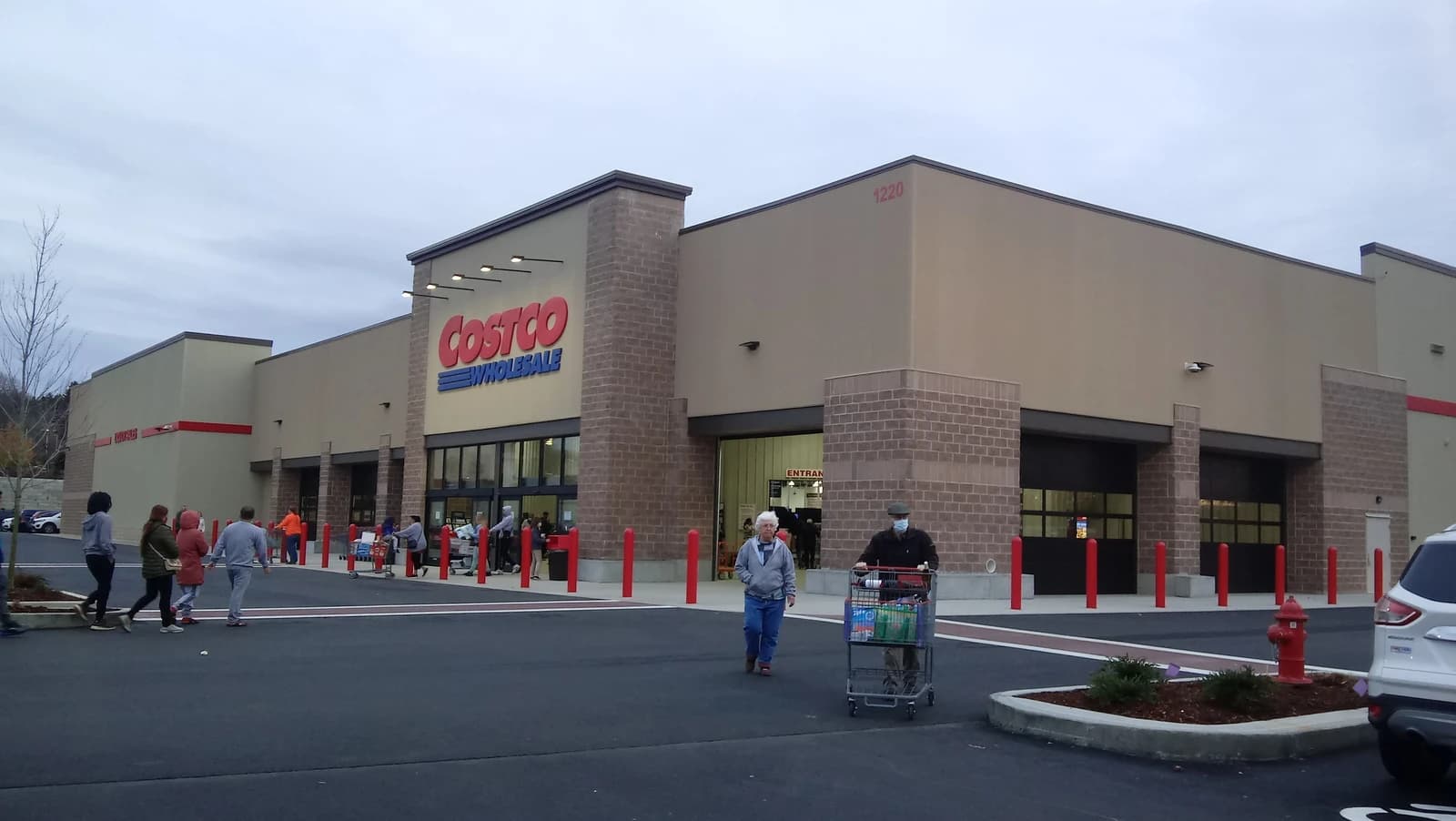
Costco Wholesale is drawing investor attention after the warehouse club declared a $30-a-share special dividend and continued to post sales growth that shows its membership model is still holding up even as consumer sentiment weakens.
Costco Declares $30 Special Dividend, Sales Rise
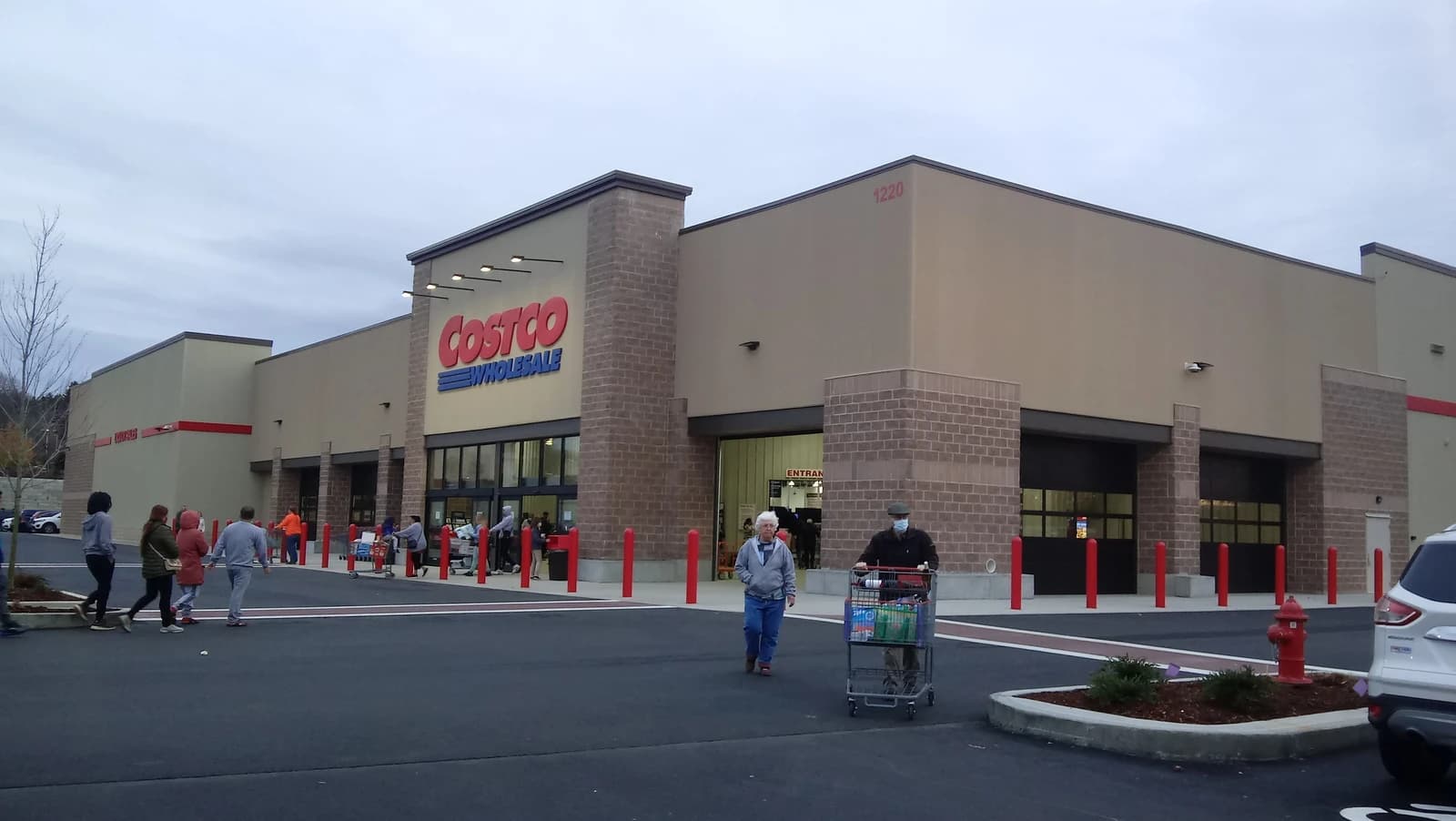
The special payout, disclosed in an Oct. 10 filing, is the kind of capital return that has become a recurring feature of Costco’s story and often acts as a near-term catalyst for the stock. For income investors, it is a reminder that the retailer can generate enough cash to reward shareholders while still funding store growth. For the market, it reinforces the view that Costco’s balance sheet and cash generation remain strong enough to support both expansion and one-off distributions.
Sentiment Indicators
The timing matters because Costco is also benefiting from resilient operating trends. In its latest monthly update, net sales for August rose 9.9% to $23.7 billion, while fiscal-year net sales increased 10.2% to $297.3 billion. Comparable sales climbed 8.4% in August, including 9% growth in the U.S. and 9.5% internationally. Excluding gas and currency, U.S. comparable sales still advanced 5.6%, a sign that the underlying basket remains healthy even after stripping out inflation and fuel effects.
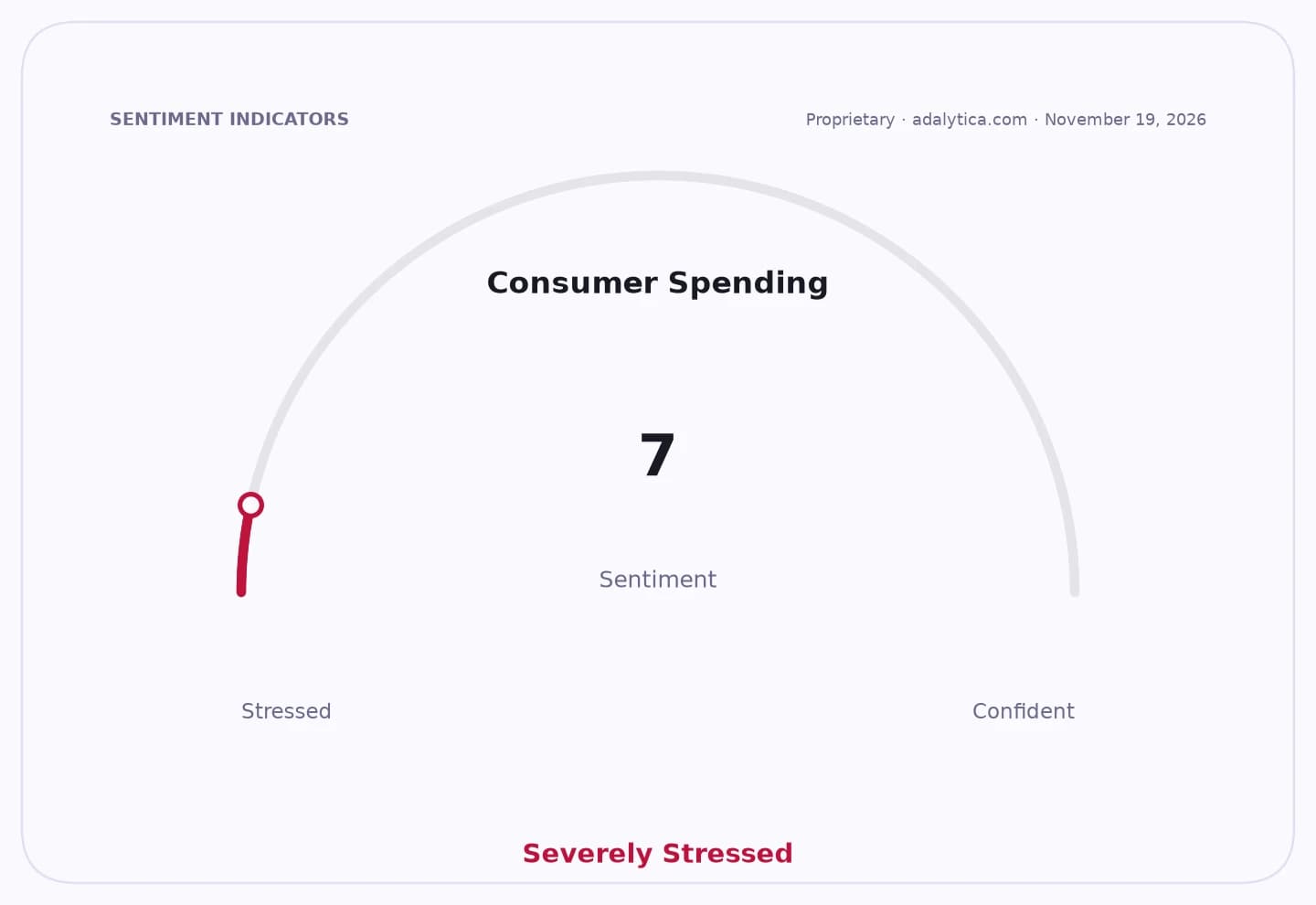
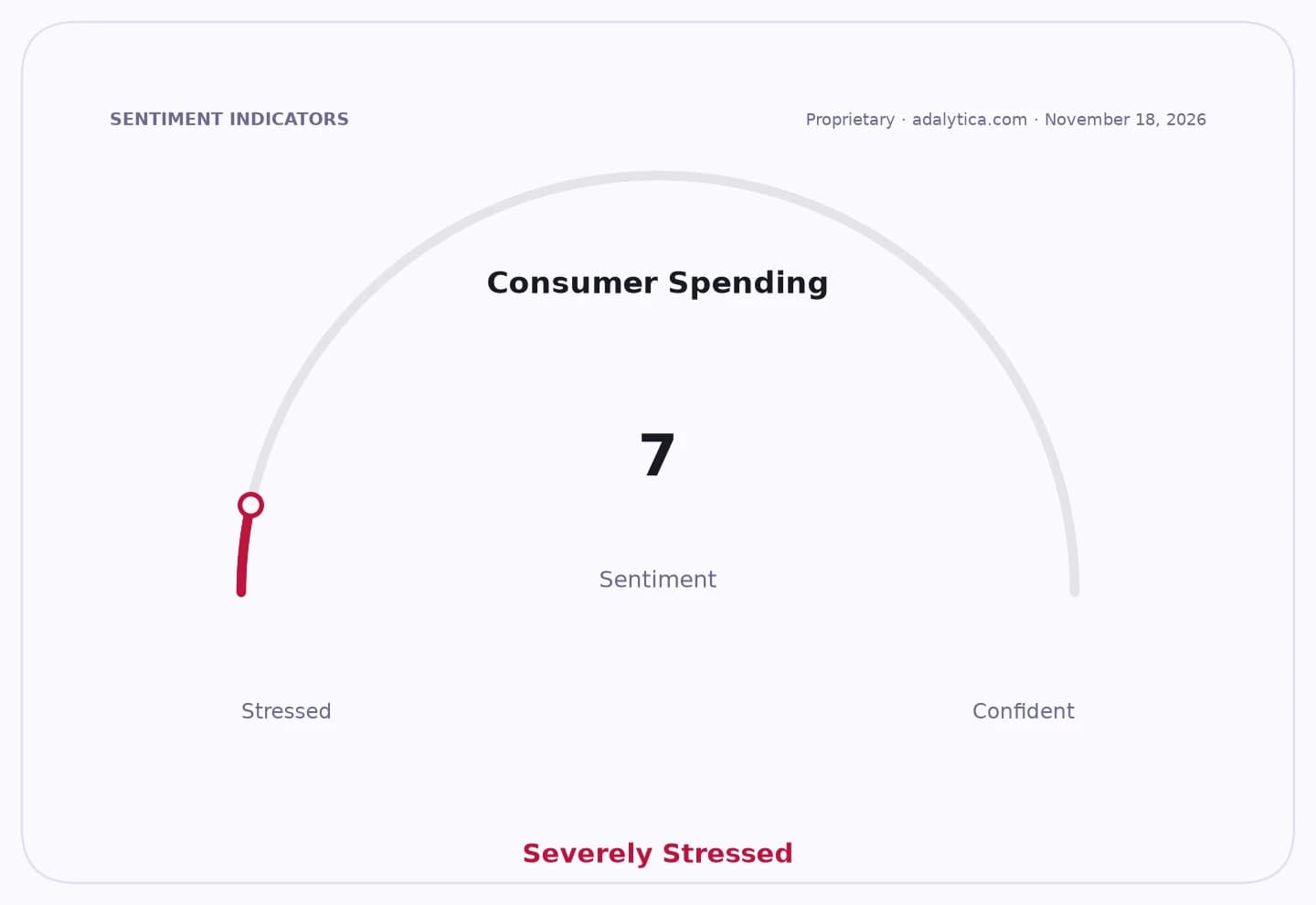
That performance comes against a more cautious consumer backdrop. Adalytica’s consumer spending sentiment snapshot shows “Extreme Fear,” while Walmart’s own sentiment gauge has cooled to neutral, underscoring a market environment where investors are increasingly looking for value-oriented retailers with pricing power and loyal traffic. Costco fits that description better than most. Its membership model gives it a recurring revenue stream, while its low-margin, high-volume structure lets it defend share even when shoppers trade down.
The stock’s recent action also reflects that durability. COST has been trading well above its 50-day and 200-day moving averages, although the latest readings on RSI and MACD suggest the shares have already had a strong run and may be vulnerable to consolidation if the market turns more defensive. That is the bull-bear setup now: bulls see a compounding business with strong renewal rates, growing fee income and another cash return; bears see a richly valued stock that may already discount much of the good news.
For investors, the key question is not whether Costco is still executing — it is — but whether the combination of a large special dividend and steady sales growth can offset valuation risk if broader consumer or market conditions soften. If the company continues to deliver high single-digit comparable sales and maintain renewal rates, the case for owning the stock remains intact. If growth slows, the premium multiple could become harder to justify.
| Entity | Gains | Losses |
|---|---|---|
| Costco shareholders | ▲Special dividend, steady sales growth | ▼Valuation risk if growth cools |
| Costco management | ▲Proof of cash generation and execution | ▼Pressure to sustain expansion and returns |
| Income-focused investors | ▲Large near-term payout | ▼Lower forward yield after ex-dividend |
| Competing retailers | ▲— | ▼Costco’s traffic and pricing advantage |