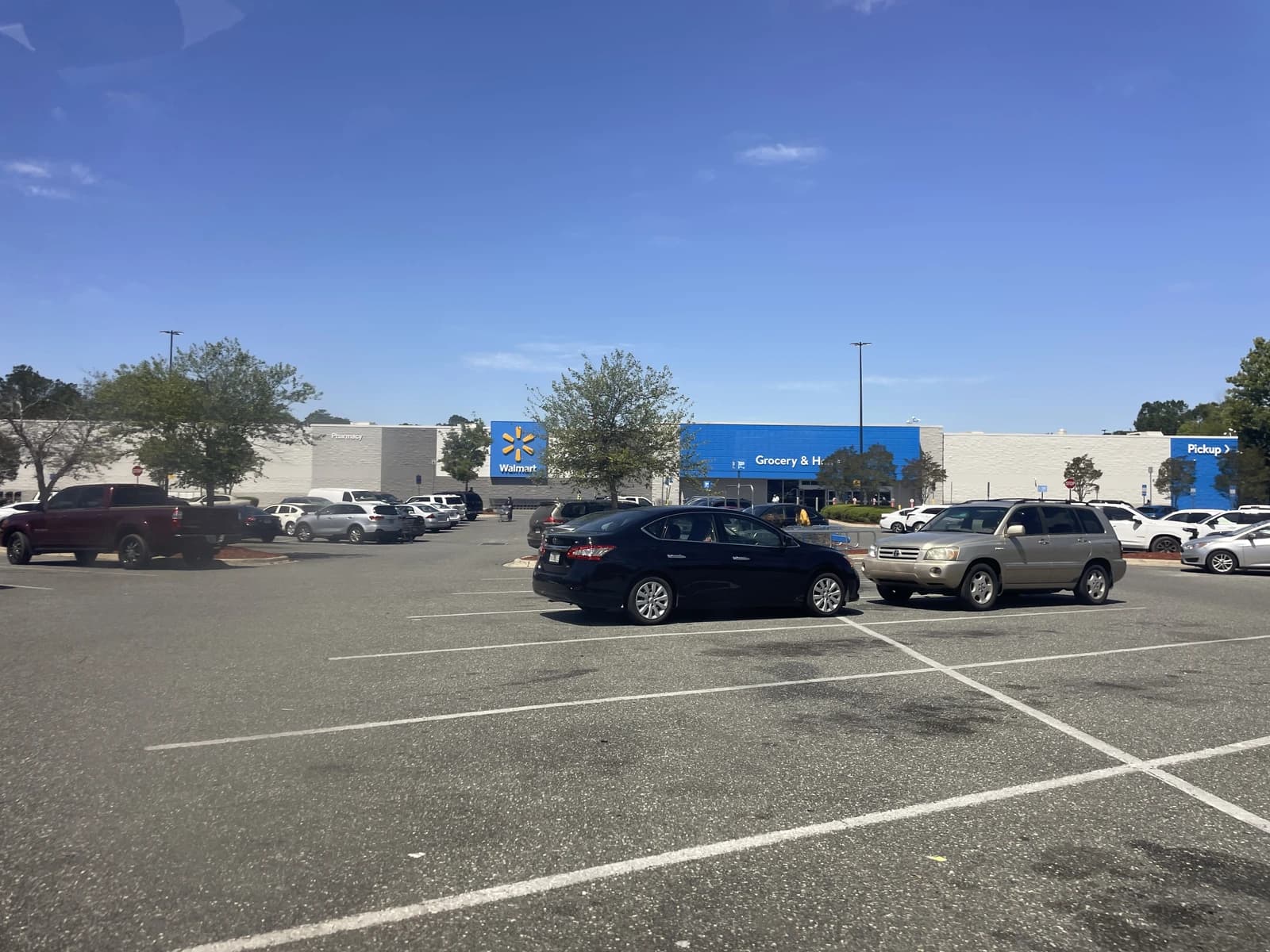
Kroger and Albertsons are effectively telling investors that Walmart’s grocery price advantage is not going away, underscoring a structural gap that can drain about $1,000 a year from a couple shopping the same basket at a traditional supermarket.
Walmart grocery price gap pressures Kroger, Albertsons
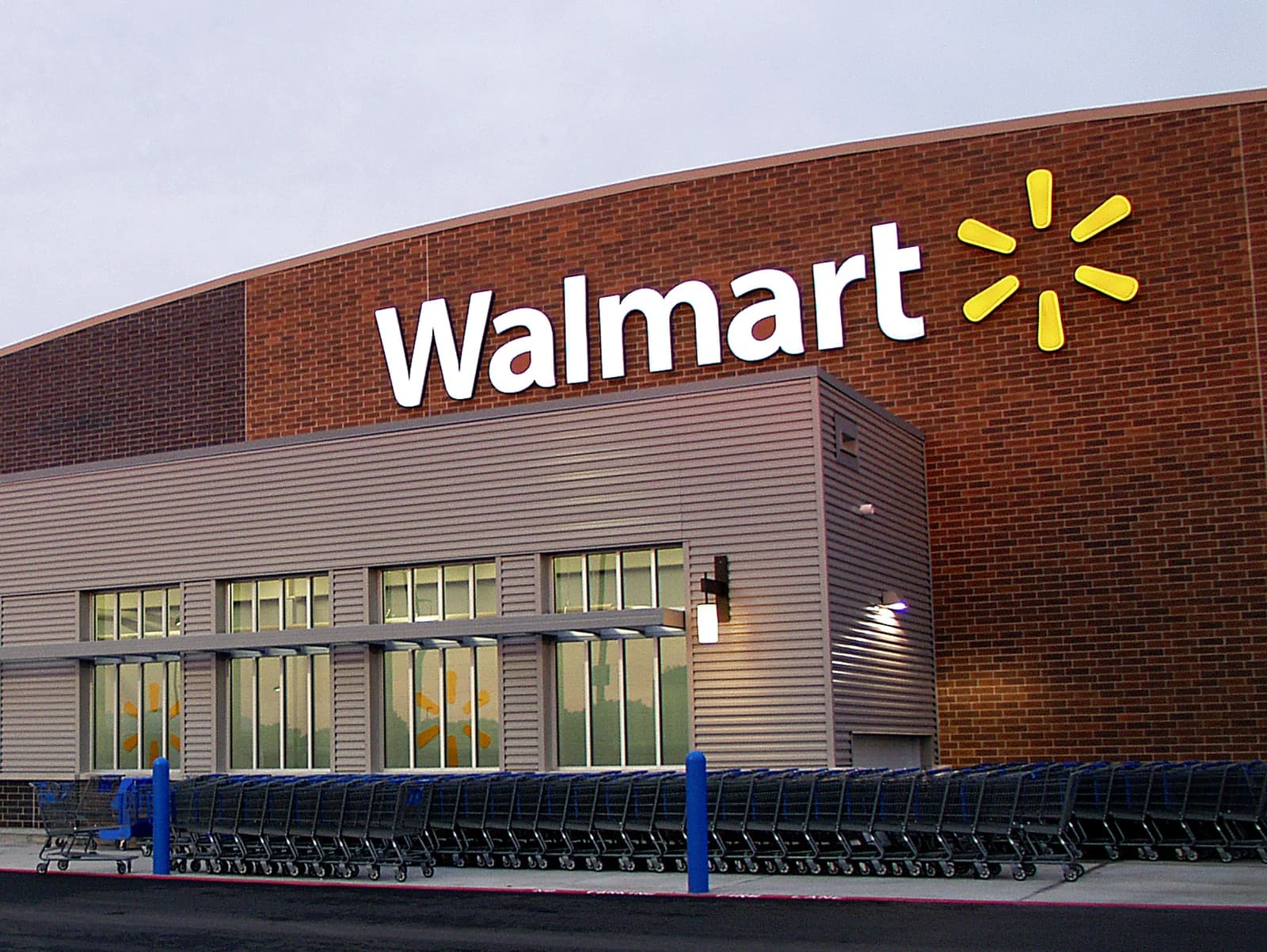
That matters because grocery is a low-margin, high-frequency business where even a modest price spread can steer billions of dollars in annual spending toward the biggest discounter. If consumers keep trading down to Walmart, Amazon and Aldi, regional chains will face slower traffic, more leakage and less room to defend margins without sacrificing volume.
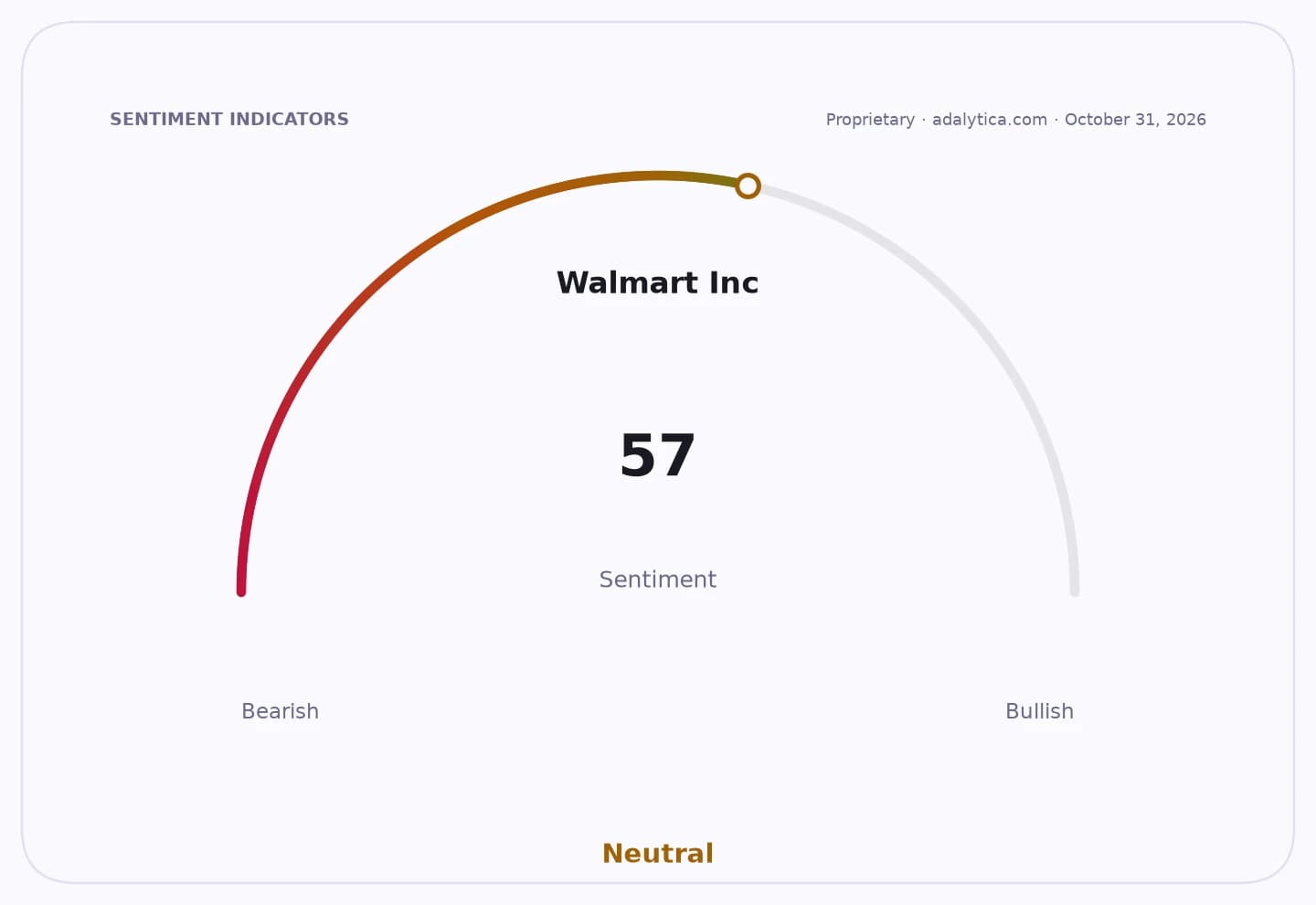
Sentiment Indicators
Kroger CEO Greg Foran told investors on a Sept. 11 earnings call that the company is “not in the game of being the cheapest because we don’t have the lowest costs, but we can provide the best value.” Albertsons CEO Susan Morris has pointed to Walmart, Amazon and Aldi as the company’s biggest leakage, reinforcing the idea that price, not loyalty, remains the key battlefield.
The numbers back that up. A Consumer Reports survey of 35 chains found Kroger’s basket ran 14.8% above Walmart’s, while Albertsons was 24.8% higher. For a retired couple spending about $650 a month at Kroger, that translates into roughly $1,006 a year in savings at Walmart, or about $26,000 over 20 years before investment returns.
Consumer Spending
The gap is even more important in a slower inflation environment, where grocery inflation is projected to cool. USDA’s October outlook puts 2027 grocery inflation at 1.0%, which suggests prices may not erase the spread anytime soon even as household budgets face pressure from other costs.
For investors, the story is simple: Walmart’s scale keeps widening its competitive moat, while Kroger and Albertsons must rely on private label, promotions and service rather than pure price. That leaves Walmart better positioned to capture the cautious consumer, while the traditional supermarket chains remain exposed to trade-down risk.
Walmart shares have reflected that advantage, with the stock recently trading near $128.09 after a strong run, while Kroger was around $70.80 and Albertsons near $13.08. Technical readings on the shares also show Walmart extended but still trending well above its 50-day and 200-day moving averages, while Kroger has recovered sharply from midyear lows and Albertsons has climbed off depressed levels.
The broader setup suggests the price war in food retail is not ending, even if inflation is easing. The key catalyst now is whether upcoming earnings calls show consumers continuing to prioritize basket price over convenience and brand loyalty, especially heading into the holiday and early-2027 budget cycle.
| Entity | Gains | Losses |
|---|---|---|
| Walmart | ▲More grocery share | ▼Less price-sensitive rivals |
| Kroger | ▲Value positioning | ▼Basket leakage to discounters |
| Albertsons | ▲Operational discipline | ▼Shoppers trading down |
| Consumers | ▲Lower grocery bills | ▼Higher-cost supermarket baskets |