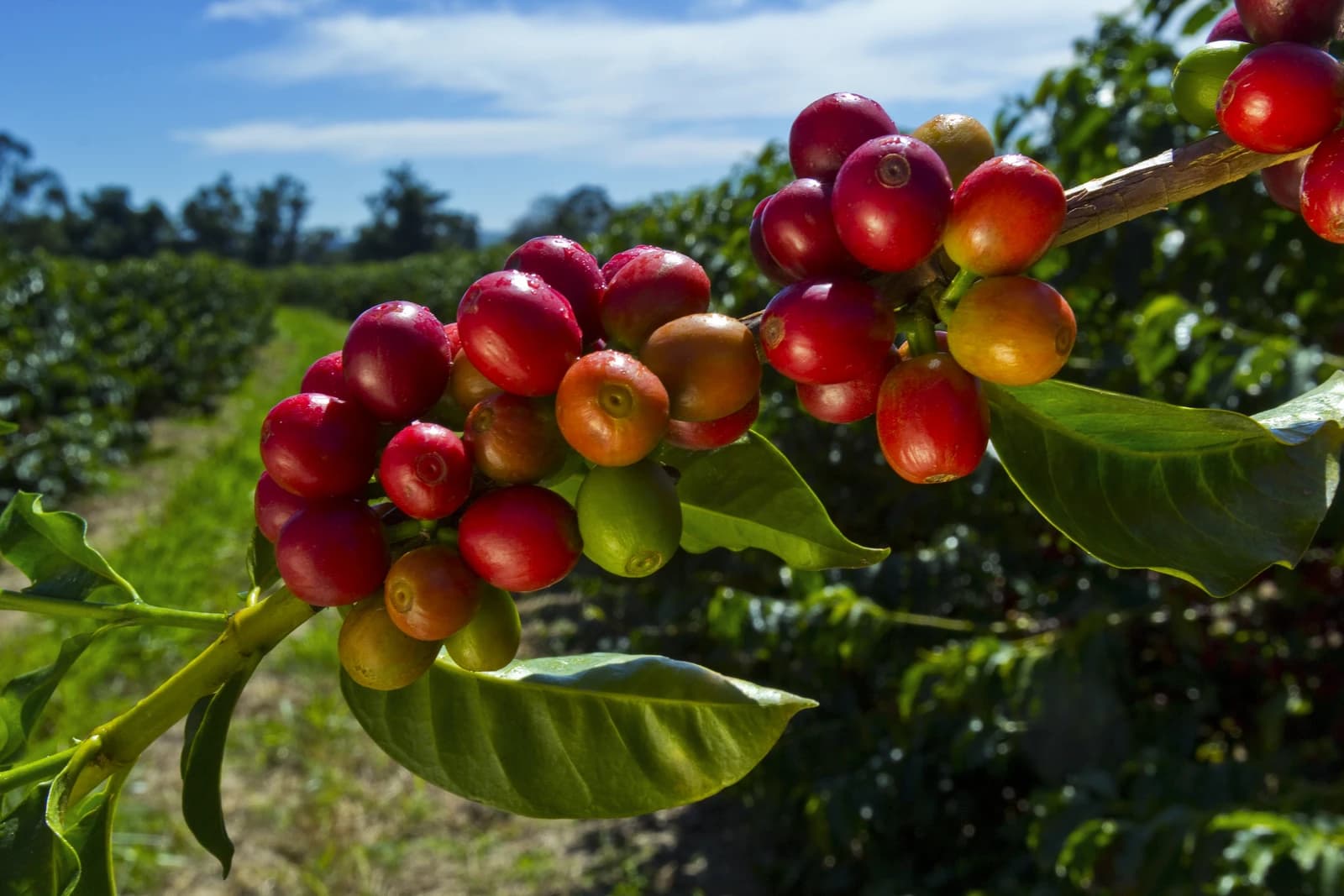
U.S. retailers and brands are leaning harder on discounts for coffee, home appliances and basic household goods as consumer spending weakens and inflation stays sticky, forcing merchants to protect traffic with lower prices rather than margin.
U.S. retailers deepen discounts as spending weakens
The trend matters because it shows pricing power is fading in parts of the consumer economy just as shoppers remain under pressure from still-elevated living costs. The Consumer Price Index is projected to rise 0.35% in November, extending a long period of price increases that has kept households selective, while retail spending is expected to slow to 0.7% growth, underscoring why chains are pushing promotions across essentials.
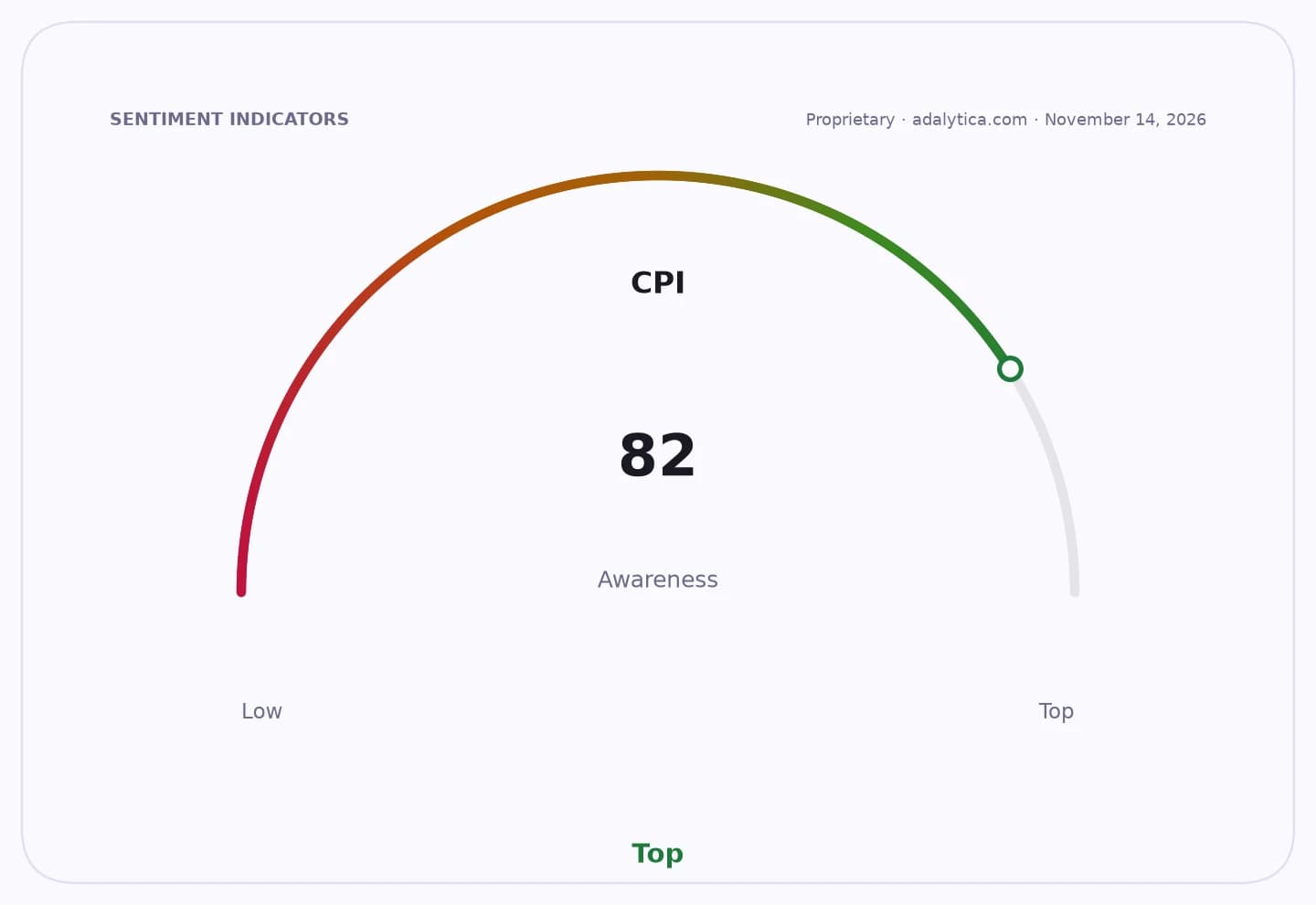
Sentiment Indicators
For investors, that means a more promotional holiday season for retailers and consumer brands, with margins at risk even where sales volumes stabilize. Adalytica’s Consumer Spending Sentiment remains in “Extreme Fear” at 7, a sign that households are still resisting discretionary purchases and hunting for value.
Starbucks is one of the clearest examples of the shift. The coffee chain’s shares have risen to $109.11 from $95.55 in early October, helped by signs its “Back to Starbucks” turnaround is gaining traction, but its latest filing still points to intense competition in coffee, tea and other beverage channels. That leaves pricing and traffic highly sensitive if consumers trade down or wait for deals.
Nike faces a similar backdrop. The stock has fallen to $36.31 from $40.49 on Nov. 4, with its 200-day moving average at $43.84 and shares still below that level, as the company works through markdowns and discounting to clear inventory. The company has already said it is using higher discounts with wholesale partners to reduce stock and create room for new product.
Deere is also caught in the same cost-and-demand squeeze. Its shares have retreated to $644.75 from a recent high near $676.50, even after a strong run earlier in the year, as agricultural customers and other buyers remain sensitive to financing costs and replacement decisions. When spending cools, even industrial sellers can be pushed to compete more aggressively on price.
The broader message is that retailers are no longer just reacting to higher input costs; they are managing a consumer who has become far more price conscious. That keeps pressure on branded goods makers, rewards discount chains and private-label sellers, and makes upcoming holiday sales, inflation data and company guidance the key catalysts for whether the price-cutting cycle deepens or eases.
| Entity | Gains | Losses |
|---|---|---|
| Shoppers | ▲Lower shelf prices | ▼Less need to overpay |
| Retailers with promotions | ▲More traffic | ▼Margins compress |
| Premium brands | ▲Need to defend volume | ▼Pricing power erodes |
| Discount chains | ▲Share gains | ▼Higher competition still limits pricing |