Starbucks said sales improved, but higher labor expenses and coffee inflation are still压 to cap margins, underscoring how even a stronger traffic trend is not yet enough to fully restore earnings power.
Starbucks Sales Improve as Costs Pressure Margins
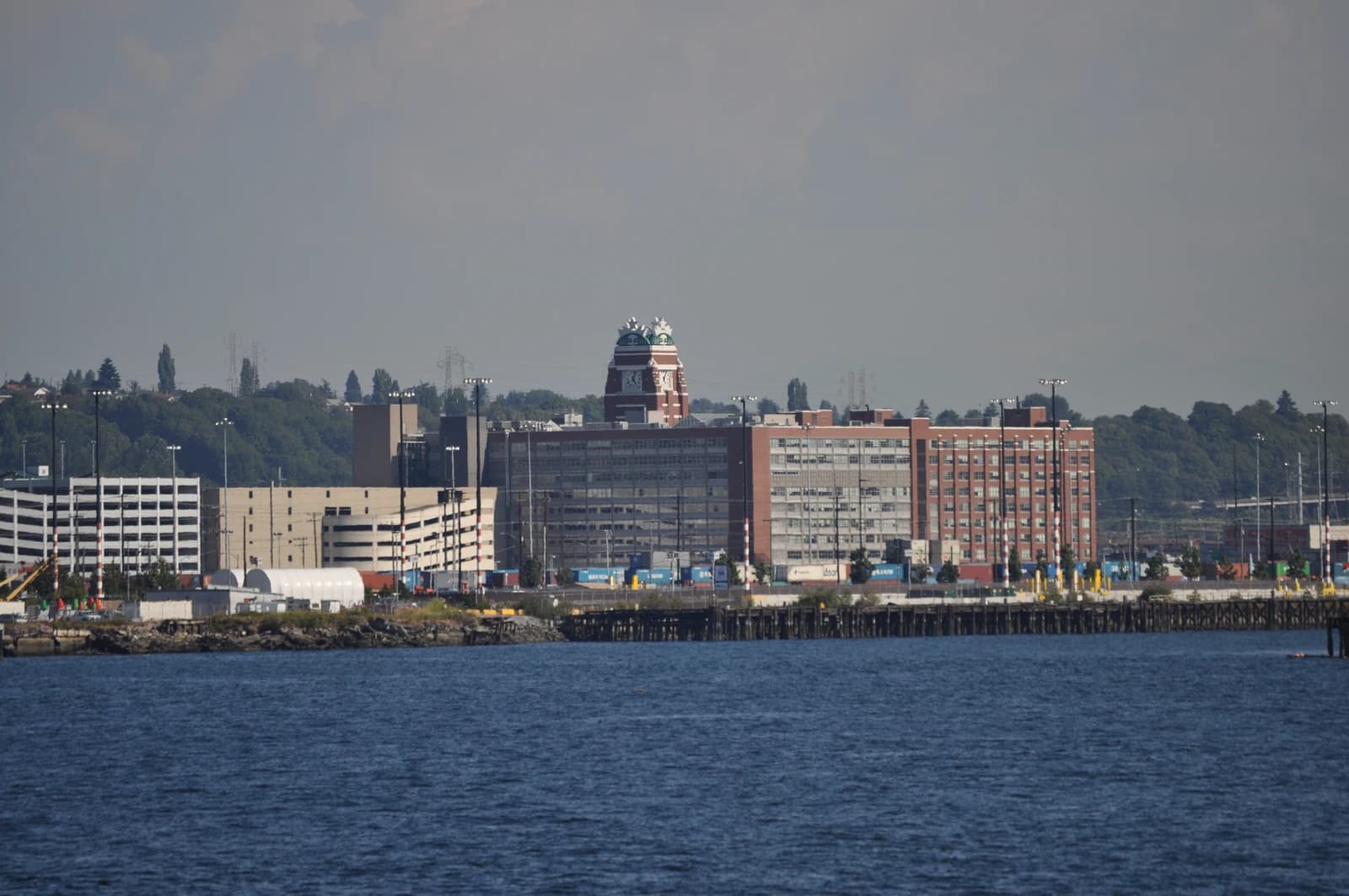
The company’s latest results reinforce the central tension facing global restaurant chains: consumers are still buying, but the cost of serving them is rising faster than management can offset it. For Starbucks, that means a better revenue picture is being partially absorbed by wage pressure and elevated green-coffee costs, leaving investors focused less on top-line stabilization than on how quickly the company can translate volume recovery into profit growth.
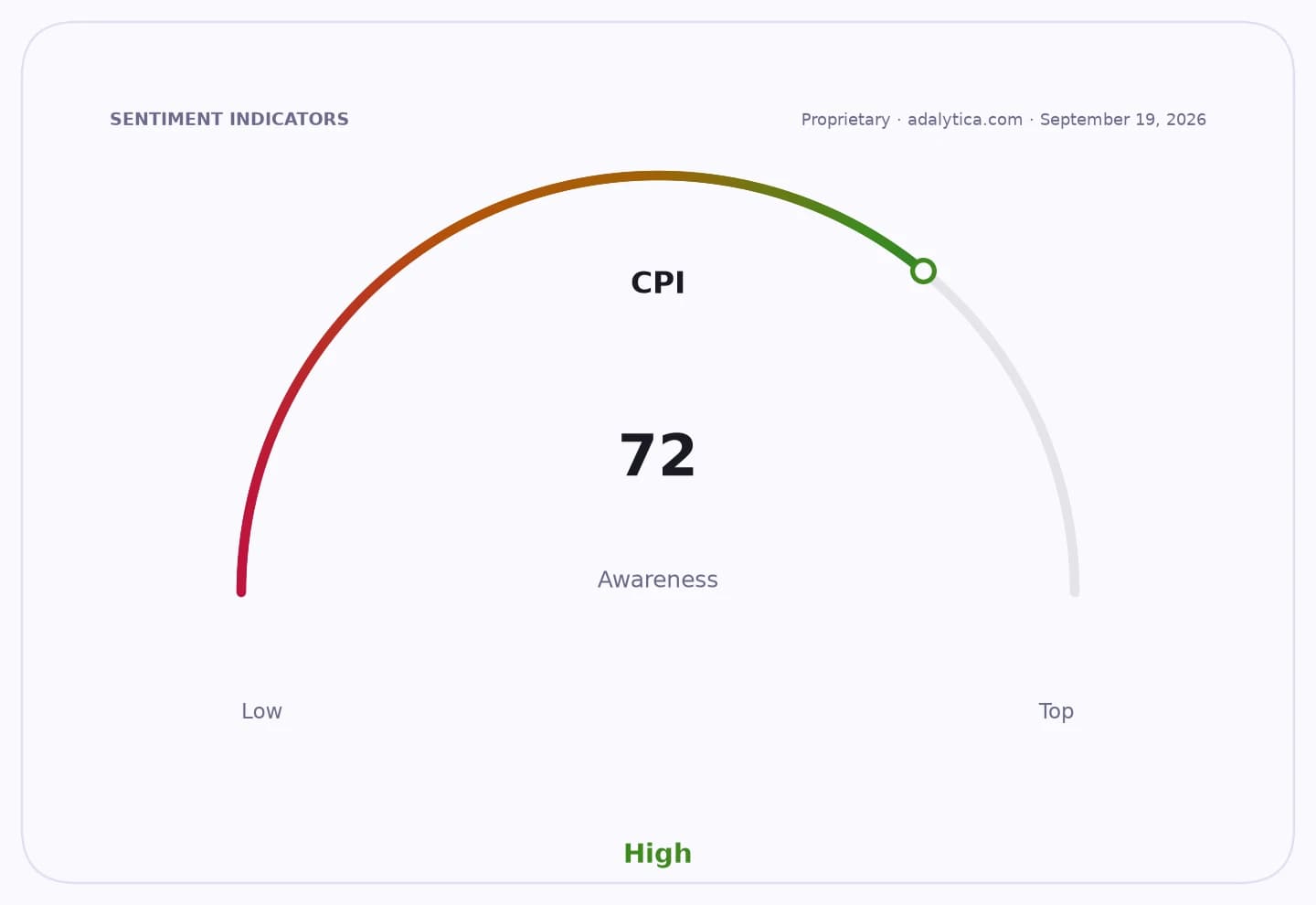
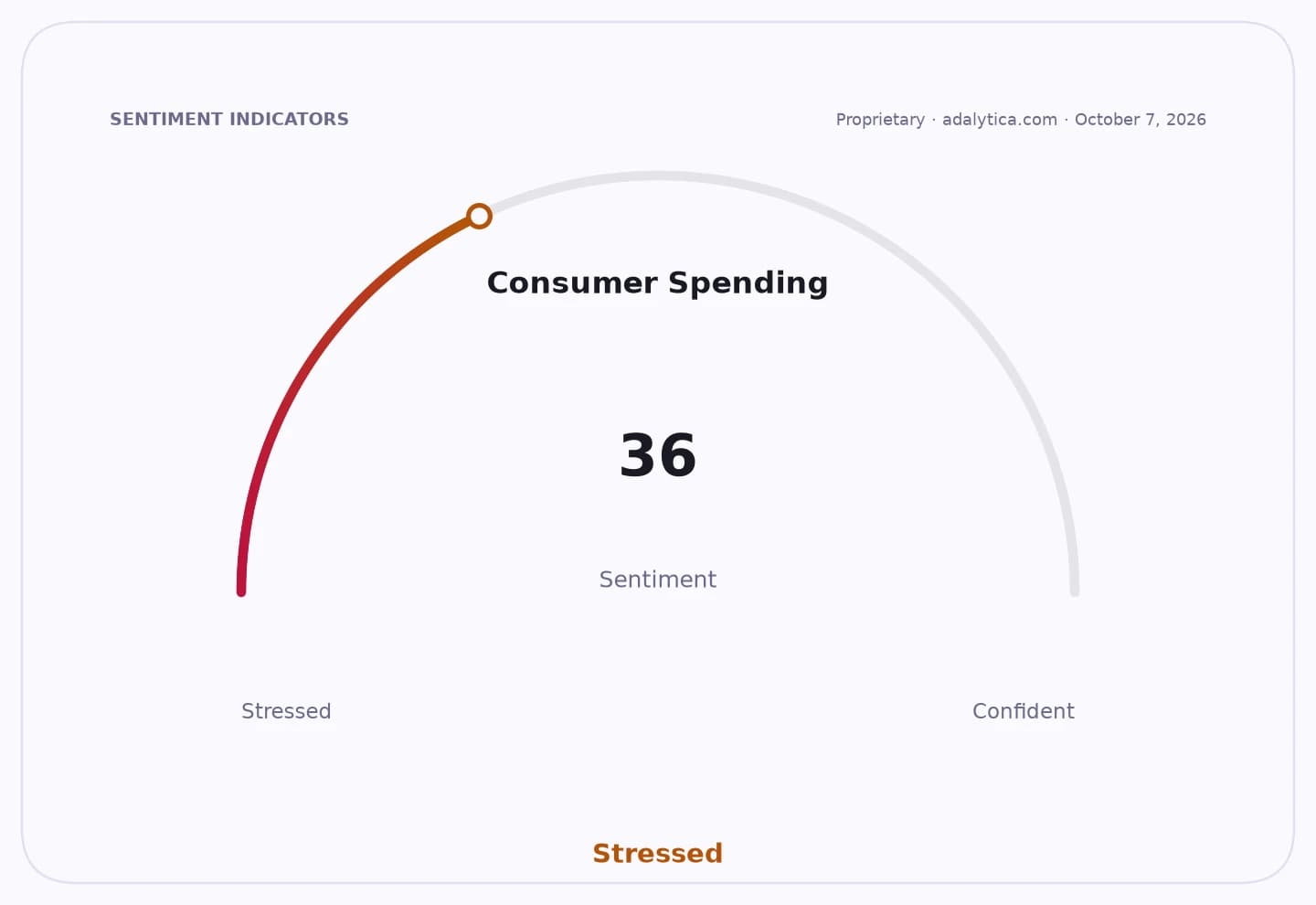
Sentiment IndicatorsⓘProprietary · adalytica.com · October 19, 2026
This is a snapshot — live sentiment, awareness and momentum for 130+ markets update continuously in the dashboard.Open AlphaPulse
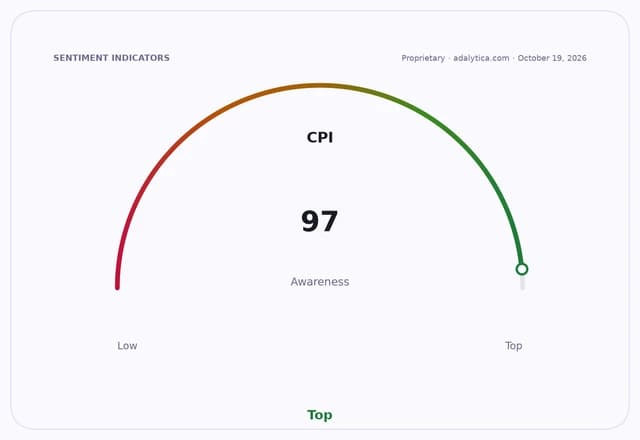
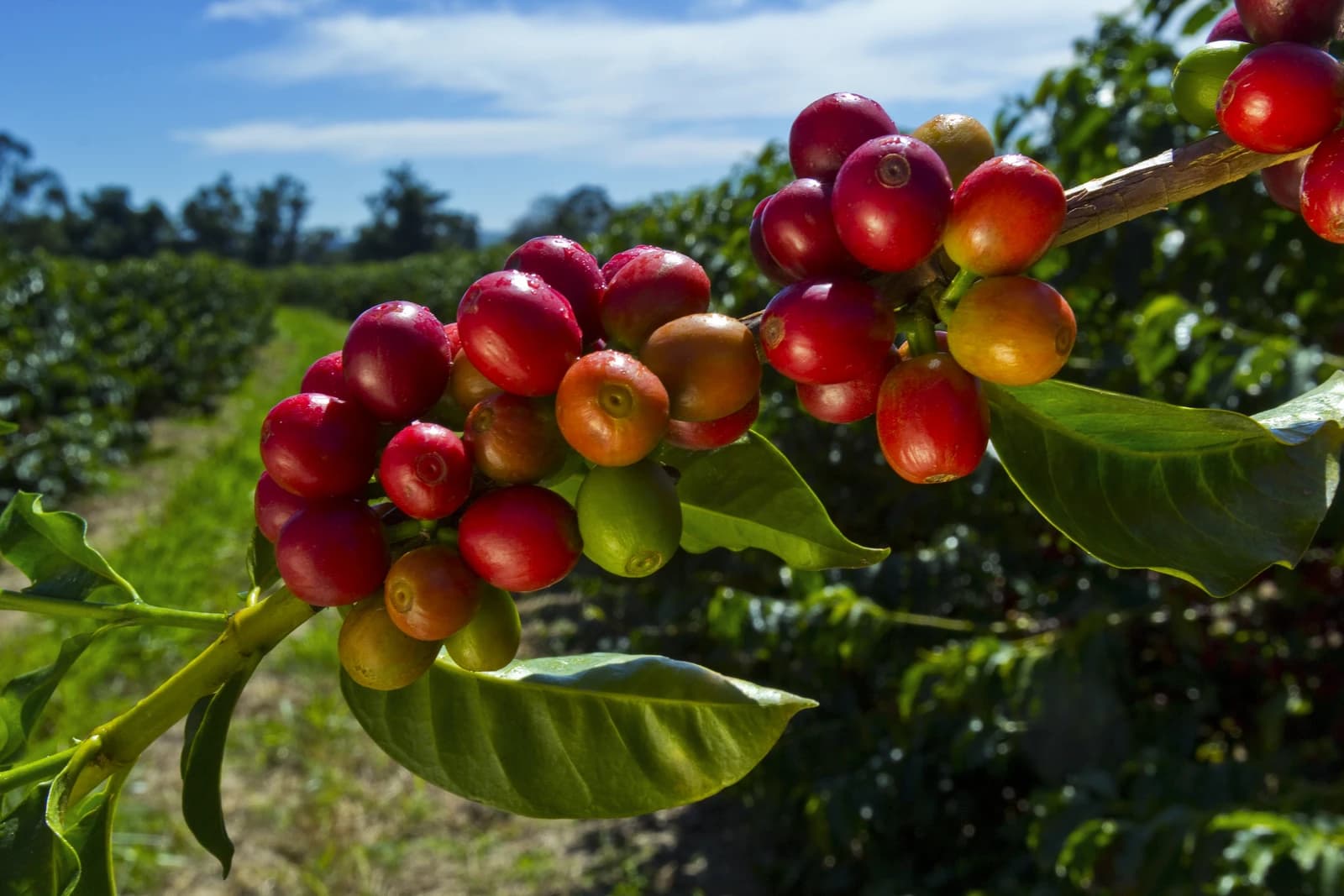
Coffee prices remain a key swing factor. Producer-price data for coffee has been volatile and remains well above pre-pandemic levels, while broader consumer prices are still elevated by historical standards. That matters because Starbucks has limited flexibility to absorb another round of input inflation without either narrowing store-level margins or leaning harder on pricing, which could test demand at a time when consumers remain cautious.
The earnings backdrop is especially important given the company’s ongoing “Back to Starbucks” turnaround and the added cost burden from restructuring. Starbucks disclosed about $300 million of charges tied to that effort in September, including roughly $200 million in cash costs. Those moves may support the long-term brand reset, but in the near term they add to the expense base and delay any clean margin recovery.
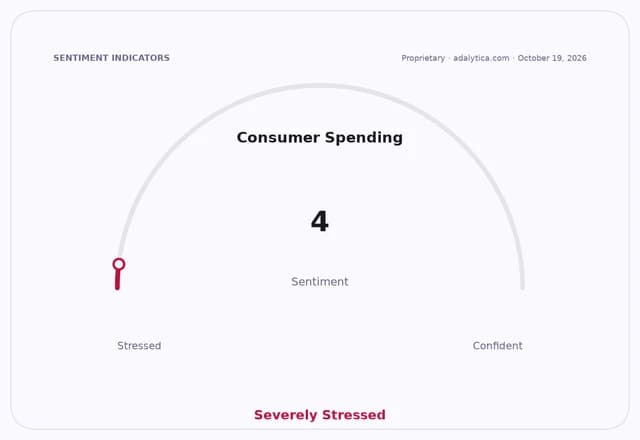
The market has already priced in some improvement but not a full turnaround. Starbucks shares have traded around the high $90s in recent sessions, above the 200-day moving average, though momentum has weakened after a summer rally. The stock’s recent pullback suggests investors are not yet willing to pay up for sales growth alone without clearer evidence that labor efficiency and commodity costs are improving.
For peers, the message is mixed. McDonald’s and Chipotle have both shown how restaurant operators can offset inflation with pricing and throughput, but they have also highlighted how quickly labor and food costs can pressure margins when traffic slows. Starbucks sits between those models: more dependent on premium beverage demand than burger chains, yet more exposed to commodity and labor swings than packaged-food companies.
The near-term test is whether Starbucks can sustain sales gains while easing the cost burden through productivity measures, menu changes and remodeling. If coffee inflation cools and wage growth normalizes, the margin story could improve quickly. If not, sales growth may keep arriving without the earnings leverage investors need.
| Entity | Gains | Losses |
|---|---|---|
| Starbucks | ▲Higher sales volume | ▼Margin pressure |
| Coffee suppliers | ▲Better pricing power | ▼Starbucks cost control |
| Workers | ▲Wage support | ▼Efficiency push |
| Investors | ▲Turnaround optionality | ▼Near-term profit recovery |