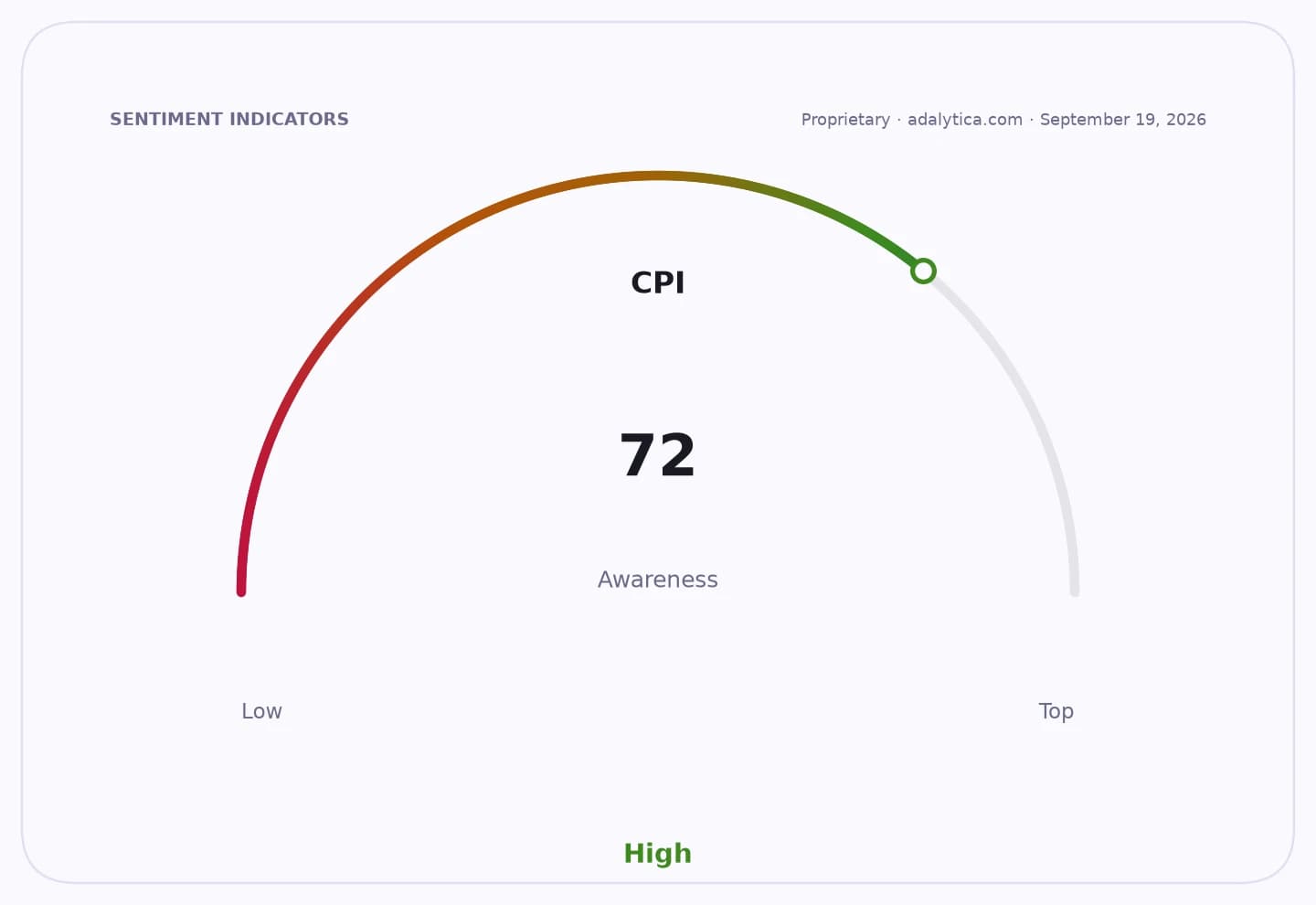
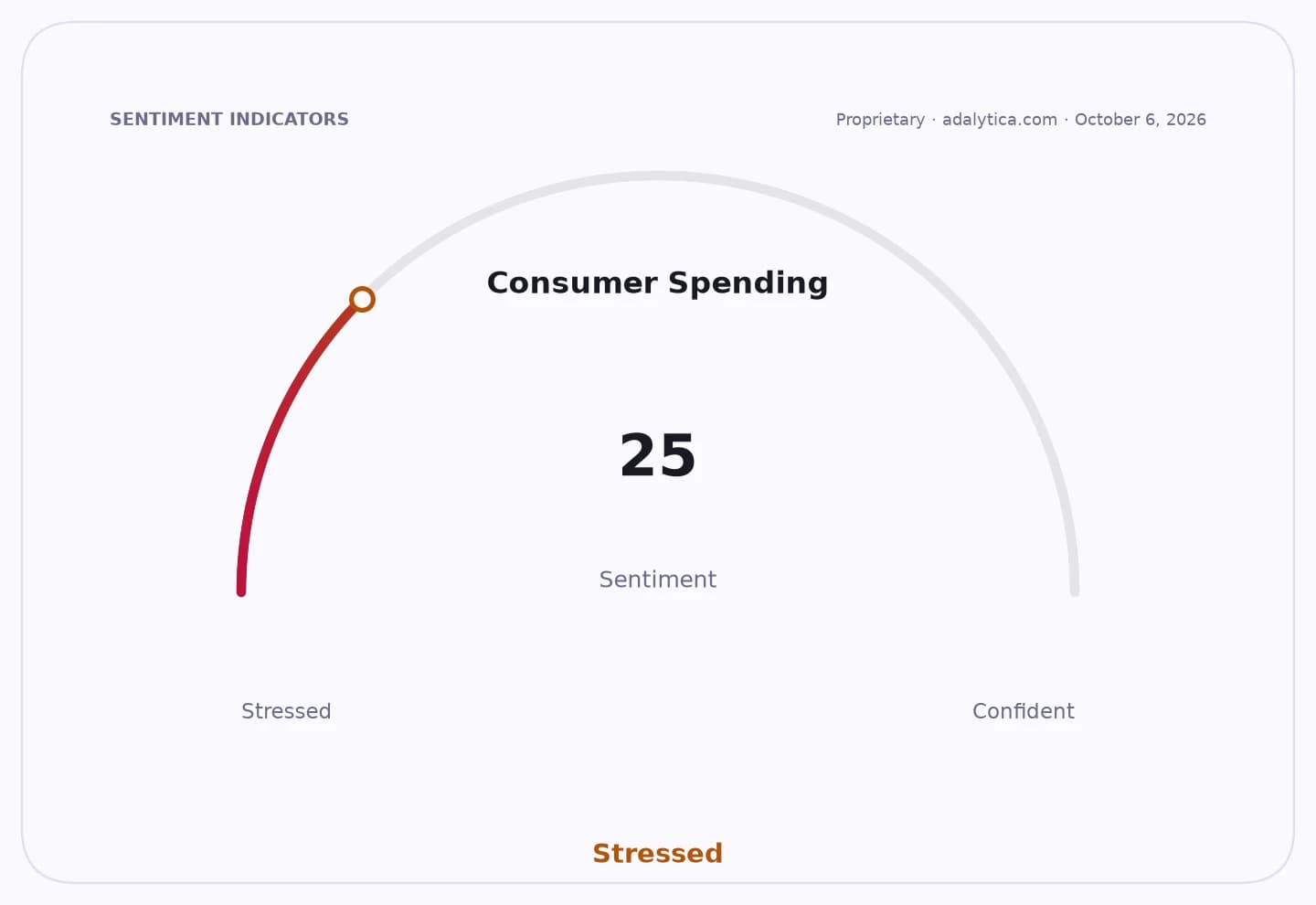
Coffee prices jumped 7.1% in September, adding another layer of cost pressure for coffee chains and packaged-beverage makers already dealing with elevated input costs and slower demand recovery.
Coffee Prices Rise 7.1% in September
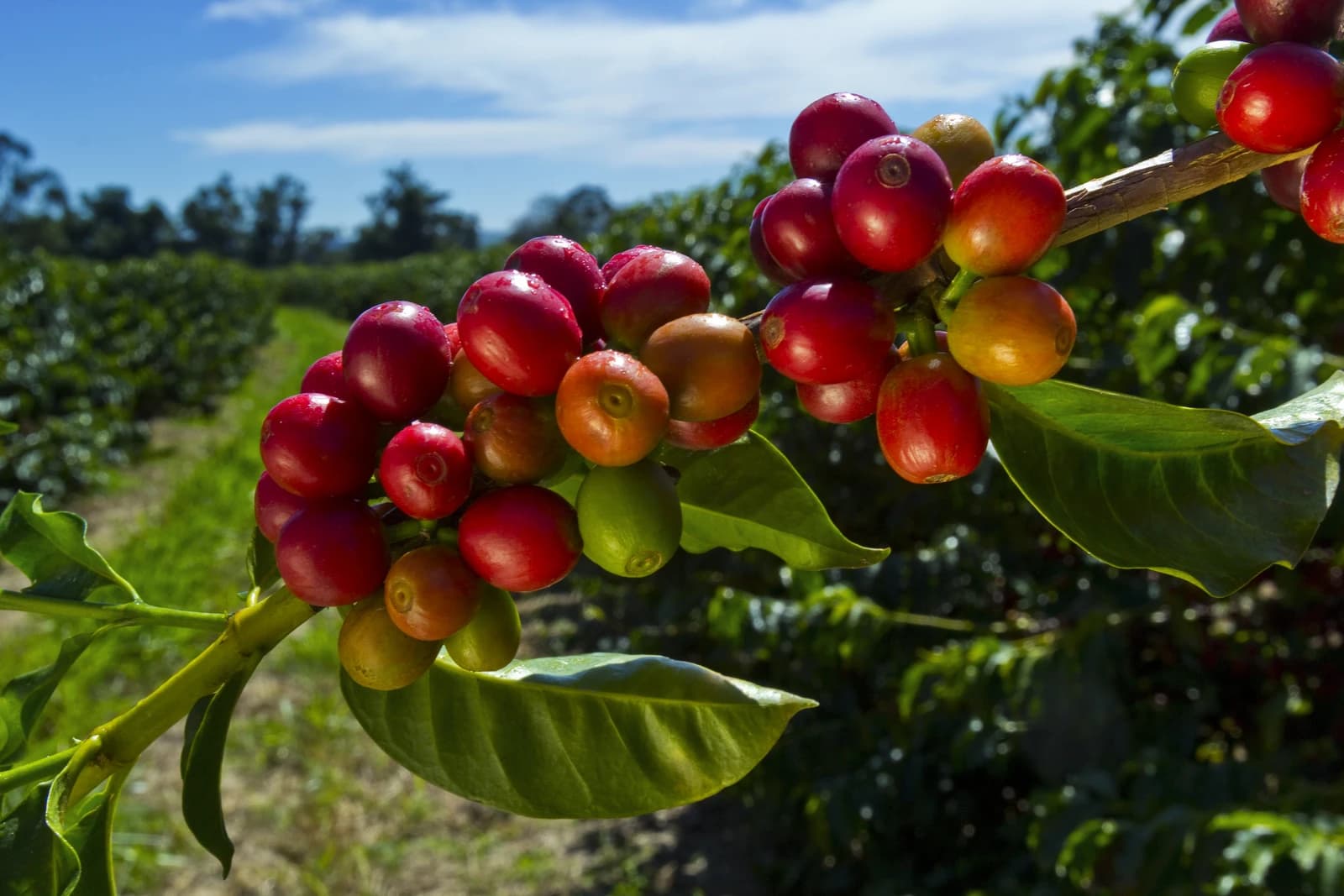
The rise, reported in the latest consumer-price data, was broad-based within the category: roasted coffee prices were up 7.2% from a year earlier and instant coffee was 6.8% higher. That comes at a time when core inflation ran at 3.7% year over year, keeping coffee firmly on the radar as a persistent food-and-beverage inflation story rather than a one-off move.
Sentiment IndicatorsⓘProprietary · adalytica.com · October 15, 2026
This is a snapshot — live sentiment, awareness and momentum for 130+ markets update continuously in the dashboard.Open AlphaPulse
For companies that buy, roast and sell coffee, the timing matters. Starbucks has already been reshaping its cost base under its “Back to Starbucks” plan and has flagged commodity-price risk in recent filings. Higher coffee prices can squeeze gross margins if retailers choose not to pass the increase fully to consumers, or it can pressure volumes if they do. The same dynamic applies across the broader beverage aisle, where companies must balance pricing power against consumer resistance.
Investors tend to focus on coffee inflation because it can ripple through multiple parts of the market at once. A sustained move higher can help producers and some agricultural suppliers, but it is usually a headwind for branded retailers and ready-to-drink or packaged coffee makers that rely on stable bean costs. It can also complicate earnings outlooks for consumer staples companies that have already leaned on price increases to offset earlier spikes in cocoa and other commodities.
The macro backdrop is not benign either. Coffee is a globally traded crop, so price swings are influenced by weather, supply disruptions and demand shifts well beyond the U.S. consumer basket. When coffee inflation rises while core inflation remains sticky, it reinforces the case that companies in the food-and-beverage chain will keep facing margin volatility even as headline price pressures moderate elsewhere.
For investors, the key question is how much of the increase can be passed through without eroding traffic. Starbucks’ recent restructuring suggests management is prioritizing operational discipline, but the stock and those of peers still face a familiar trade-off: protect margins now and risk demand, or absorb the cost and sacrifice earnings. That tension is likely to stay in focus into the next earnings season if coffee prices remain elevated.
| Entity | Gains | Losses |
|---|---|---|
| Coffee growers/exporters | ▲Higher selling prices | ▼Possible demand swings |
| Starbucks | ▲Potential pricing leverage | ▼Margin pressure |
| Packaged coffee makers | ▲Inventory repricing gains | ▼Higher input costs |
| Consumers | ▲None | ▼Higher retail coffee prices |