Bolivia is moving to finance its new PEPE II cash-transfer program with money from the national treasury and an Inter-American Development Bank loan, a sign the government is leaning on external funding to cushion the social cost of its economic adjustment.
Bolivia PEPE II Program Gets Treasury and IDB Funding
That matters because the program lands just as La Paz is phasing out a diesel subsidy, one of the more politically sensitive steps in its effort to rein in distortions and preserve fiscal stability. By spreading payments over six months and backing them with Treasury General de la Nación resources plus IDB credit, officials are trying to protect vulnerable households without blowing a bigger hole in the budget.
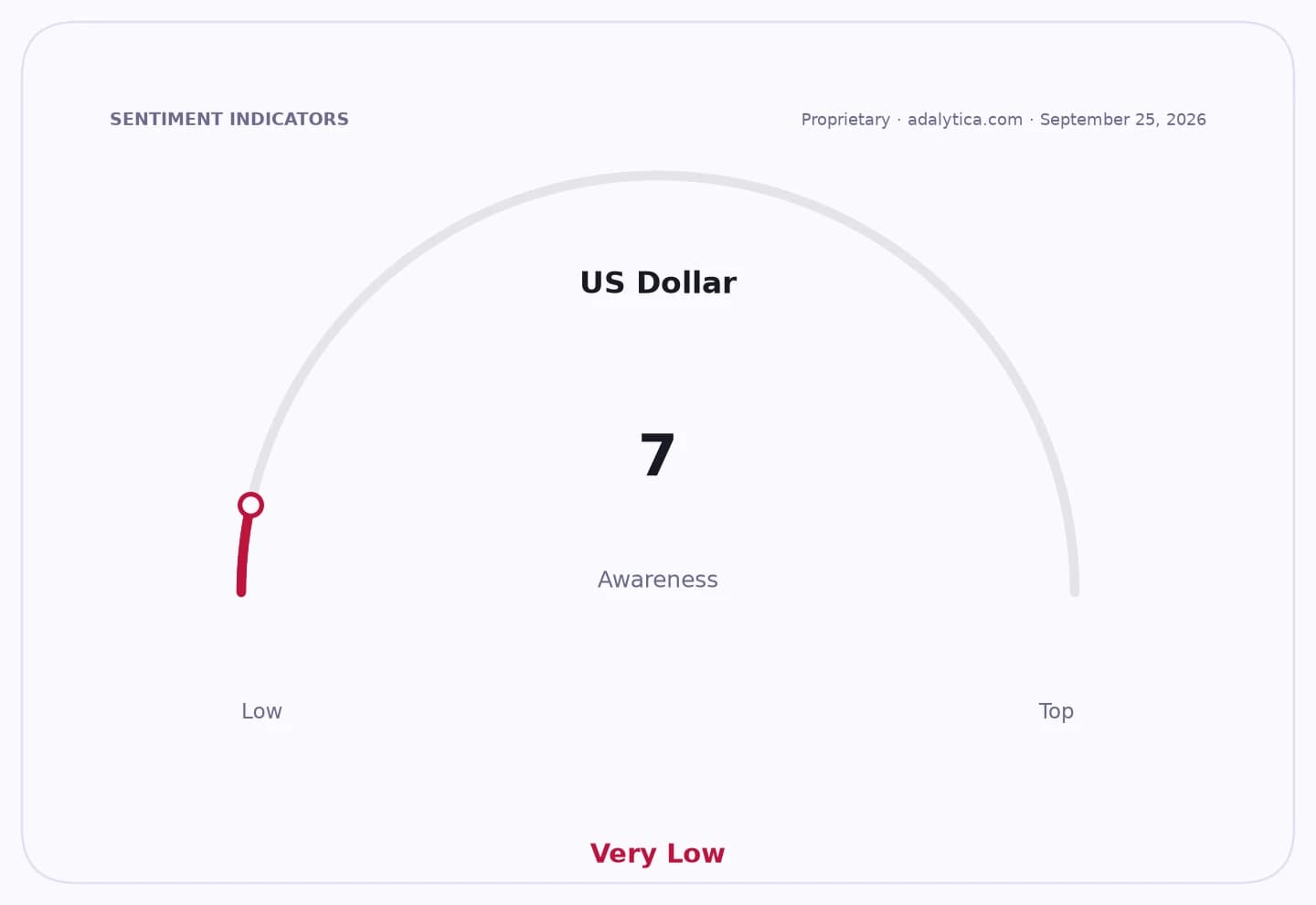
Sentiment IndicatorsⓘProprietary · adalytica.com · September 26, 2026
This is a snapshot — live sentiment, awareness and momentum for 130+ markets update continuously in the dashboard.Open AlphaPulse
Vice Minister of Budget and Fiscal Accounting Edwin Aldunate said the funds are already programmed and that the PEPE II benefit will begin in November. The decree supporting the plan sets payments at 250 bolivianos every two months, for a total of 750 bolivianos per beneficiary.
The government expects roughly 2.5 million people to receive the transfer, including pregnant women, people with disabilities, older adults who collect Renta Dignidad without a long-term pension, and parents or guardians of students in public and subsidized schools, as well as minors in shelters, children’s homes and prisons.
For investors, the bigger message is fiscal: Bolivia is choosing targeted cash aid rather than broad subsidies, which is usually a healthier path over time, but it still requires financing at a moment when state resources are under pressure. Any reliance on foreign credit for routine social support can become a watchpoint for bondholders, multilateral lenders and anyone trying to judge how much room the government has left to maneuver.
The move also fits a broader pattern across the region, where governments are balancing inflation, subsidy cuts and social protection with limited fiscal space. These programs can help stabilize consumption and reduce political backlash, but they also underline how difficult it is to normalize public finances without outside support.
For long-term investors, the key question is not the size of this transfer alone, but whether Bolivia can keep shifting from expensive, untargeted subsidies toward more disciplined support without losing control of debt and inflation dynamics. That transition is worth watching closely.
| Entity | Gains | Losses |
|---|---|---|
| Vulnerable households | ▲Cash support | ▼Exposure to higher costs |
| Bolivia’s government | ▲Social relief, political cover | ▼Fiscal flexibility |
| IDB | ▲Lending role, policy influence | ▼Credit exposure |
| Taxpayers and bondholders | ▲More targeted spending | ▼Higher funding burden |