Boston’s startup ecosystem is trying to make a simple point ahead of TechCrunch Founder Summit: founders do not need a Silicon Valley address to build nationally relevant companies.
Boston startups pitch national scale without Silicon Valley
That message matters because Boston has long been judged against the West Coast, yet companies such as Toast and HqO are evidence that the city can produce scaled software businesses, attract venture money and expand well beyond New England. For investors, the pitch is not just civic pride — it is a reminder that talent, capital efficiency and customer access can come from outside the traditional startup hubs.
Sentiment Indicators
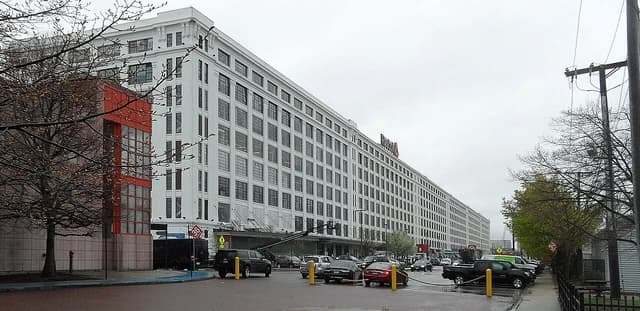
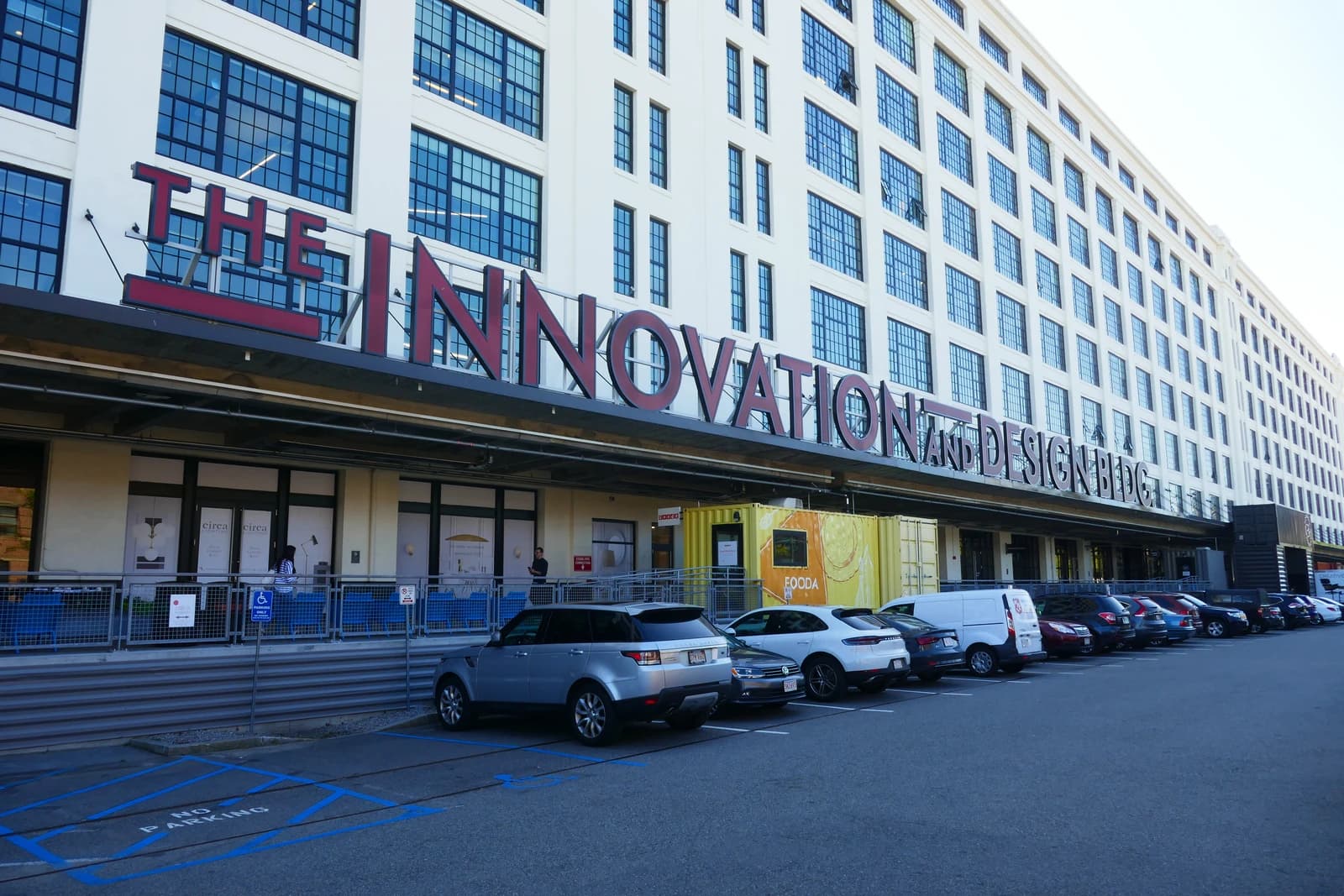
The summit, presented by Fidelity Private Shares, opens in two days at SoWa Power Station and is built around that argument. Steve Fredette, Toast’s president, co-founder and director, is one of the marquee speakers, giving the event a locally grounded success story with national reach. Toast has become one of Boston’s best-known startup winners, and its arc from local company to broader platform is the kind of outcome founders and backers are looking to replicate.
Chase Garbarino, chief executive and co-founder of HqO, will take the question further, discussing the advantages and constraints of building from Boston for more than a decade while scaling internationally without moving to a West Coast hub. That is the practical takeaway for founders: location still shapes hiring, networking and fundraising, but it no longer fully determines whether a company can grow.
The event is also a networking play. Braindate sessions, roundtables and side events are designed to connect Boston-area founders, investors and operators in a market where local density has often been the missing ingredient versus San Francisco. If the summit succeeds, it strengthens the case that Boston’s startup corridor can function more like a self-sustaining ecosystem than a feeder to California.
For investors, the broader relevance is in deal flow. A stronger Boston brand can keep founders from relocating, broaden competition for early-stage capital and support valuations for companies that can scale without the overhead of a Bay Area move. The near-term catalyst is the summit itself on Nov. 4, with ticket prices set to rise and group discounts ending before then, underscoring both the event’s draw and the urgency around Boston’s pitch.
| Entity | Gains | Losses |
|---|---|---|
| Boston founders | ▲More local visibility and capital access | ▼Pressure to prove scale without Bay Area proximity |
| Toast and HqO | ▲Showcase status as Boston startup proof points | ▼Scrutiny over whether their success is replicable |
| Boston investors | ▲Broader local deal flow | ▼Fewer reasons for founders to relocate away |
| Silicon Valley hubs | ▲- | ▼Monopoly on startup legitimacy weakens |