Brazil will automatically cancel certain overdue MEI contribution debts from Jan. 1, a move that removes a large stock of hard-to-collect obligations from the books and gives millions of small business owners immediate cash-flow relief.
Brazil cancels overdue MEI debts from Jan. 1
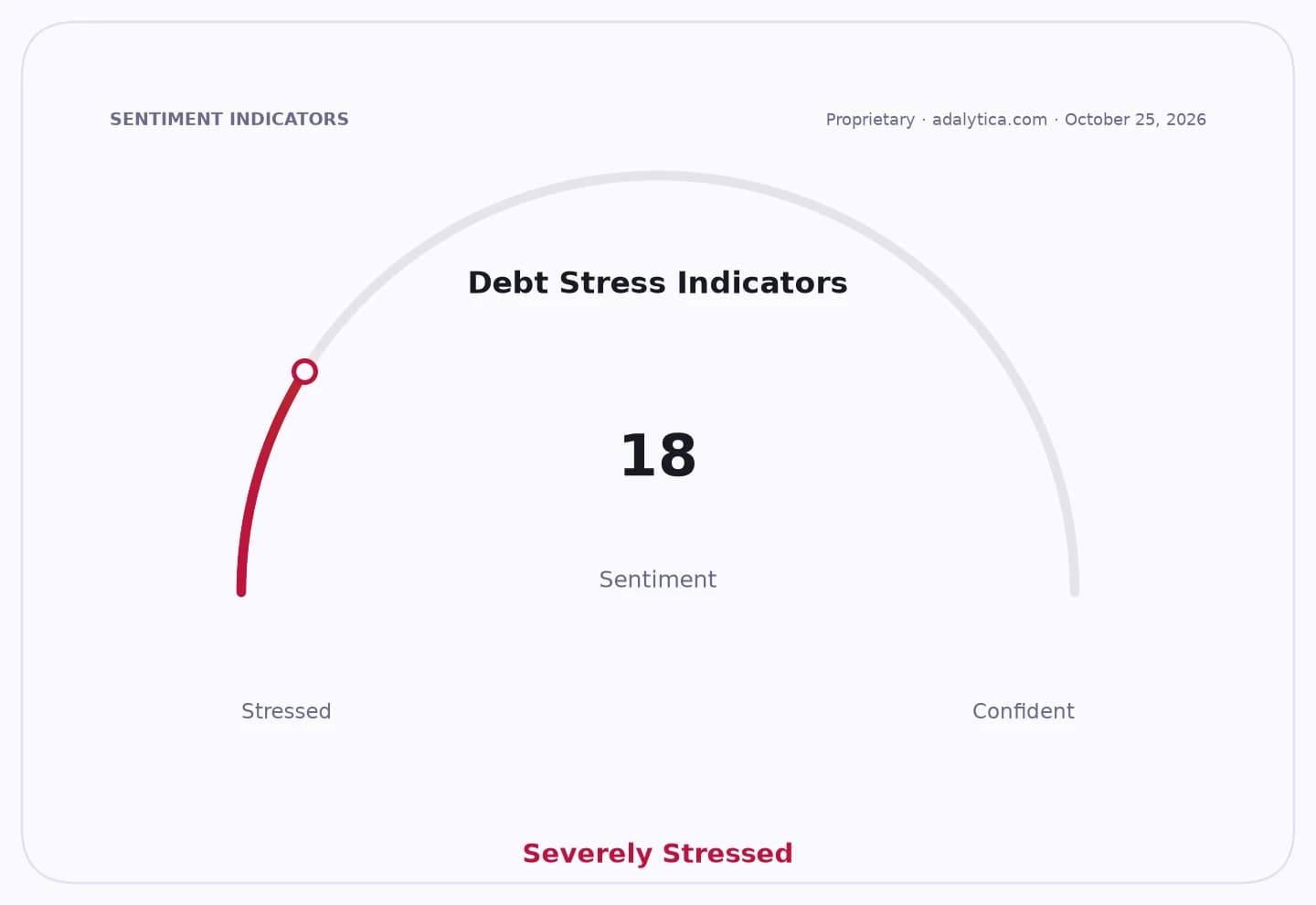
Debt Stress Indicators
The measure, detailed in a new ordinance from the federal Attorney General’s office, applies to Microempreendedor Individual payroll-style monthly contributions overdue through Oct. 13, 2026. Officials said no application will be required: the forgiveness will be processed automatically in government systems, covering debts both inside and outside active collections.
Sentiment Indicators
That matters economically because the government is effectively acknowledging that much of this debt is uncollectable and would otherwise continue to drag on household and microbusiness balance sheets. The PGFN said MEI debts total R$12.57 billion, with almost 86%, or about R$11 billion, classified as difficult or impossible to recover. For a program aimed at self-employed workers, that is not just a tax housekeeping exercise; it is a targeted balance-sheet repair for a segment that often operates with little buffer.
The cancellation is part of the “Prospera MEI” package and is expected to affect about 3.6 million microentrepreneurs nationwide. The debt relief covers the federal social-security contribution embedded in the MEI payment, including principal, interest, fines and charges. But it does not erase state and municipal levies such as ICMS and ISS that may also be included in the same payment slip, meaning many borrowers will still face some obligations even after the federal write-off.
For investors, the immediate read-through is limited for listed companies, but the policy carries broader implications for Brazilian consumption, informal-sector formalization and credit quality at the margin. Small-business owners who see their arrears cleared may regain room to pay current obligations, invest modestly in inventory or working capital and remain in the formal system. That can support microeconomy turnover even if the fiscal cost is mostly an accounting recognition of losses already deemed unrecoverable.
The policy also fits a wider pattern in Brazil of using selective debt forgiveness to stabilize vulnerable groups without writing off all liabilities. The government is drawing a line between federal contributions it can no longer effectively collect and local taxes it still expects to be paid. That distinction should matter to lenders and fintechs exposed to Brazil’s small-merchant base: the measure may improve near-term repayment capacity, but it does not eliminate underlying stress among smaller borrowers.
There are conditions. MEIs must stay current on future monthly payments or the benefit can be revoked and the old debt reinstated. Anyone disputing the debt in court will have to withdraw the lawsuit, though without paying legal fees, and amounts already paid will not be refunded. For retirement purposes, the forgiven months are not automatically guaranteed as contribution time, which could leave some workers needing additional review in the pension system.
The main investor takeaway is that Brazil is choosing to clear a large, largely uncollectable MEI debt backlog rather than pursue years of low-yield enforcement. That should help microentrepreneurs at the margin, reduce administrative clutter for tax authorities and slightly improve the operating environment for the country’s smallest businesses, even if it does little to change the broader fiscal picture.
| Entity | Gains | Losses |
|---|---|---|
| MEI microentrepreneurs | ▲Debt relief and cash-flow breathing room | ▼Must stay current going forward |
| Brazilian tax authorities | ▲Cleaner books, lower collection costs | ▼Forgone recovery on uncollectable debt |
| Small-business lenders/fintechs | ▲Slightly better borrower liquidity | ▼Less pressure to enforce old arrears |
| State and municipal governments | ▲None directly | ▼ICMS and ISS remain payable, with weaker leverage |