Chile is giving struggling CAE student-loan borrowers a narrow but meaningful escape hatch: for 90 days, debtors with at least two overdue installments can get back in good standing by paying just one current installment.
Chile CAE student loan relief opens 90-day window
That matters because the policy does more than delay delinquency. Under the new National Reconstruction Law, published in the official gazette on Oct. 17, eligible borrowers can have overdue payments pushed back, late fees and collection costs erased, and regain access to the CAE program’s other protections. That includes the possibility of lowering payments to 10% of income, suspending payment during unemployment or overseas graduate study, and avoiding the withholding of tax refunds.
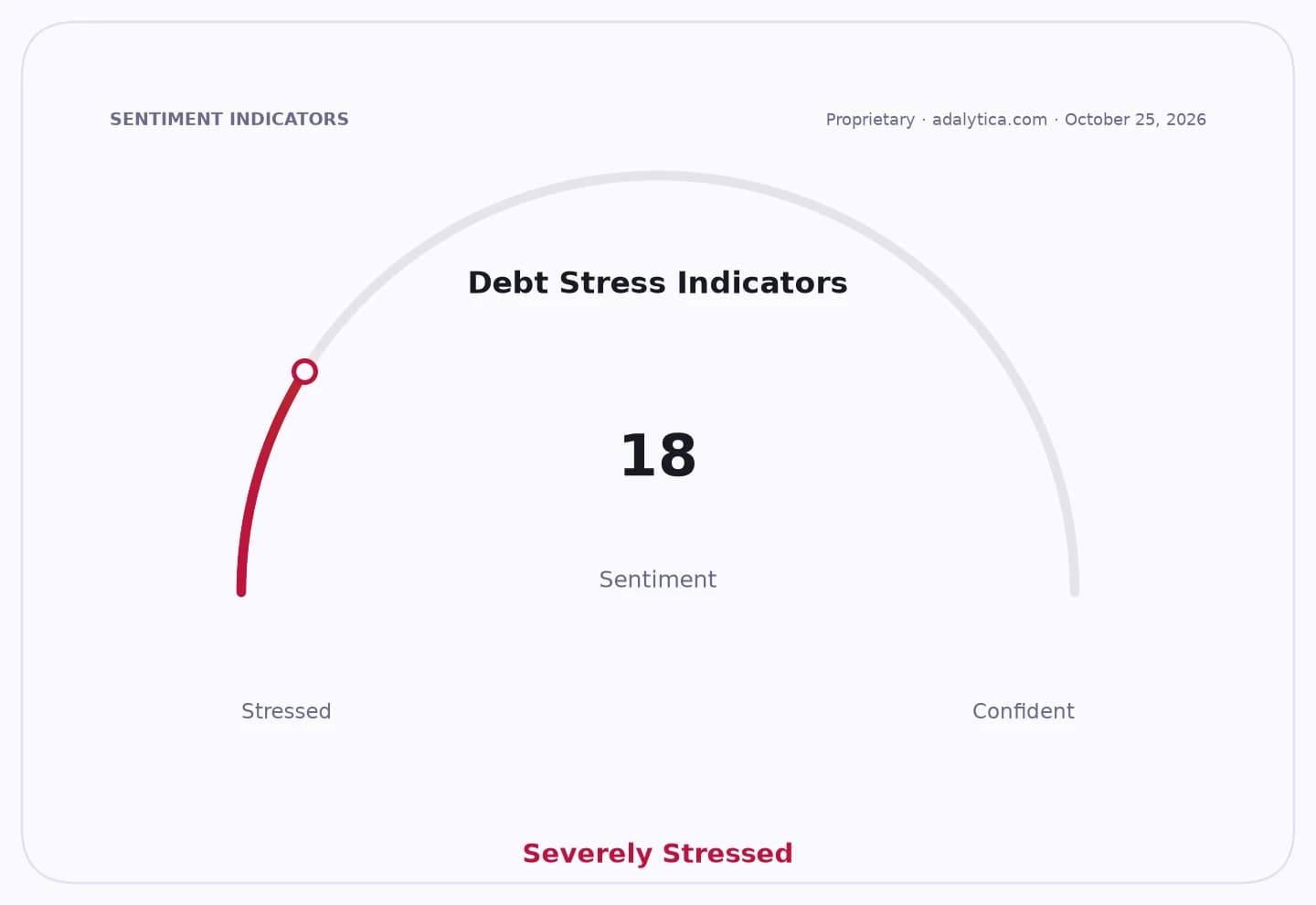
Sentiment IndicatorsⓘProprietary · adalytica.com · October 25, 2026
This is a snapshot — live sentiment, awareness and momentum for 130+ markets update continuously in the dashboard.Open AlphaPulse
For households under strain, that is real breathing room. For the state and the banking system, it is a way to clean up an aging portfolio without forcing immediate, full repayment from borrowers who are clearly behind. The measure runs until Jan. 15, 2027, and officials are urging debtors not to wait until the last minute.
Investors should see the move as a reminder that consumer credit stress is still being managed through policy intervention rather than left to fester. In a broader credit environment where lenders are already watching delinquency trends closely, any program that reduces collection costs and resets borrowers into performing status can help limit charge-offs and stabilize cash flow expectations. It is also a sign that governments remain willing to step in when student debt becomes socially and politically sensitive.
The catch is that this is not blanket forgiveness. Borrowers who have already reprogrammed their CAE loans, or whose government guarantee has already been called, do not qualify. Those excluded borrowers will need to negotiate directly with Chile’s Treasury. In other words, this is relief, but only for a defined group and only for a limited time.
For long-term investors, the broader lesson is simple: debt relief programs can ease pressure on consumers and lenders alike, but they do not erase underlying affordability problems. If Chile’s labor market weakens or household finances stay stretched, similar interventions may follow. Worth watching for how many borrowers take up the offer before the deadline.
| Entity | Gains | Losses |
|---|---|---|
| CAE debtors | ▲Lower payments, fee relief | ▼Miss the window if they wait |
| Chilean banks | ▲Fewer overdue loans | ▼Forgone collection revenue |
| Chile government | ▲Social relief, cleaner portfolio | ▼Higher policy cost |
| Excluded borrowers | ▲Direct Treasury negotiation | ▼No access to the new reprogramming |