More than 1,800 Chileans age 60 and older have asked to go bankrupt over the past decade, and the numbers point to a bigger economic problem than a simple wave of personal misfortune: too many people are reaching retirement with thin balance sheets, multiple creditors and no cushion when incomes stop rising.
Chile Bankruptcy Filings Rise Among Adults 60 Plus
That matters because bankruptcy in later life is not just a legal endpoint. It is a sign that household finances are breaking down just as wages flatten, pensions become fixed and the cost of living keeps climbing. For investors, that is a reminder that consumer balance sheets can look stable on the surface while stress quietly builds beneath, especially in markets where credit is easy to access and retirement savings are uneven.
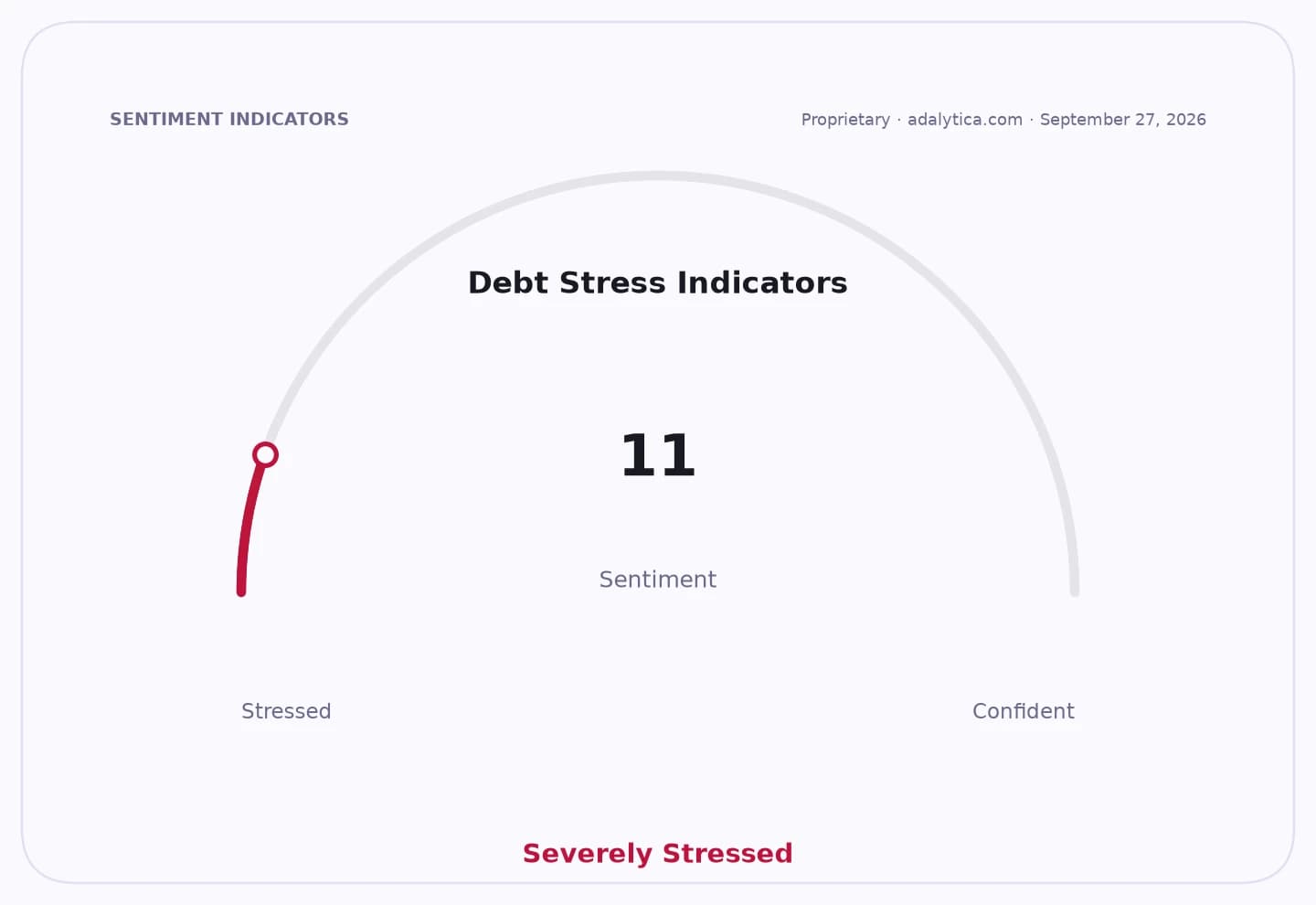
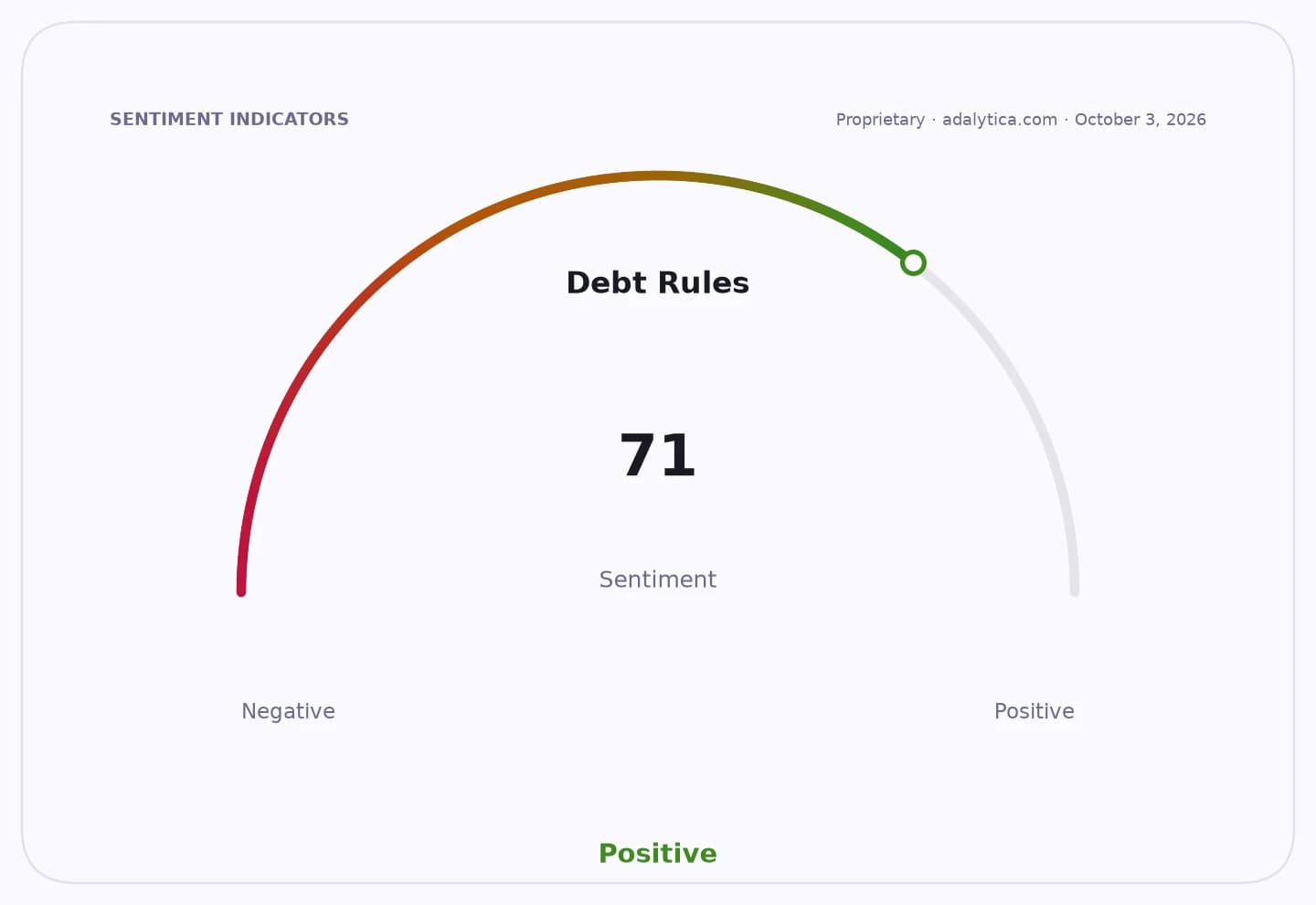
Sentiment IndicatorsⓘProprietary · adalytica.com · October 12, 2026
This is a snapshot — live sentiment, awareness and momentum for 130+ markets update continuously in the dashboard.Open AlphaPulse
An analysis by Unholster and Grupo Defensa, based on judicial data, found 1,849 adults age 60 or older declared bankruptcy in Chile between 2015 and 2025. In a sample of 252 cases from Grupo Defensa, 67.1% involved people aged 60 to 69, suggesting the pressure often arrives at the very start of older age, before pensions fully replace work income.
The pattern is telling. Almost all of the sampled debtors were renters or lived with others, and 95.2% did not own a home. Nearly 70% had no car. Those facts matter because they show insolvency is not limited to the poorest households; it is also showing up among middle-income adults who may have spent years supporting families, paying rent and trying to bridge the gap between work and retirement.
The debt burden itself was not concentrated in a single giant loan, but spread across several obligations. In the sample, 56.6% had between four and seven debts, and the most common total was five. A large share owed between 10 million and 20 million Chilean pesos, while 78.5% carried less than 35 million pesos in total debt. That kind of multi-creditor stress is exactly the sort that can tip a household from manageable to unrecoverable once income weakens.
Banks were the biggest creditors, accounting for 42.6% of the roughly 9.81 billion pesos of total debt in the broader analysis. Chile’s tax agency, the Treasury General, was the second-largest creditor at 25.6%, a clue that some of these cases involve self-employed or informal business activity rather than only consumer borrowing. Retail lenders, cooperatives and compensation funds made up much of the rest.
For investors, the story matters beyond Chile. Older borrowers under strain can mean weaker repayment quality for banks, slower growth in retail credit and more pressure on lenders serving mass-market consumers. It also underscores a broader long-term investing truth: rising asset prices do not protect households that lack housing equity, savings or reliable post-work income.
There is no quick fix here. If anything, the data argue for a longer view on financial resilience — better retirement planning, more conservative household leverage and tighter credit discipline. For investors watching Chilean lenders, retailers and consumer finance names, the key question is not whether debt exists, but how much of it is being carried by households with shrinking capacity to pay. This is worth watching.
| Entity | Gains | Losses |
|---|---|---|
| Banks | ▲Interest income on loans | ▼Rising default risk |
| Retail lenders | ▲Borrower traffic | ▼Bad debt pressure |
| Older households with savings | ▲Relative financial stability | ▼Heavily indebted retirees |
| Chilean courts/debt advisers | ▲More demand for restructuring | ▼More insolvency cases |