Argentina’s household debt problem is no longer a balance-sheet story — it is a consumption story, and that makes it much more dangerous for growth, banks and investors.
Argentina Household Debt Rises as Borrowing Funds Basics

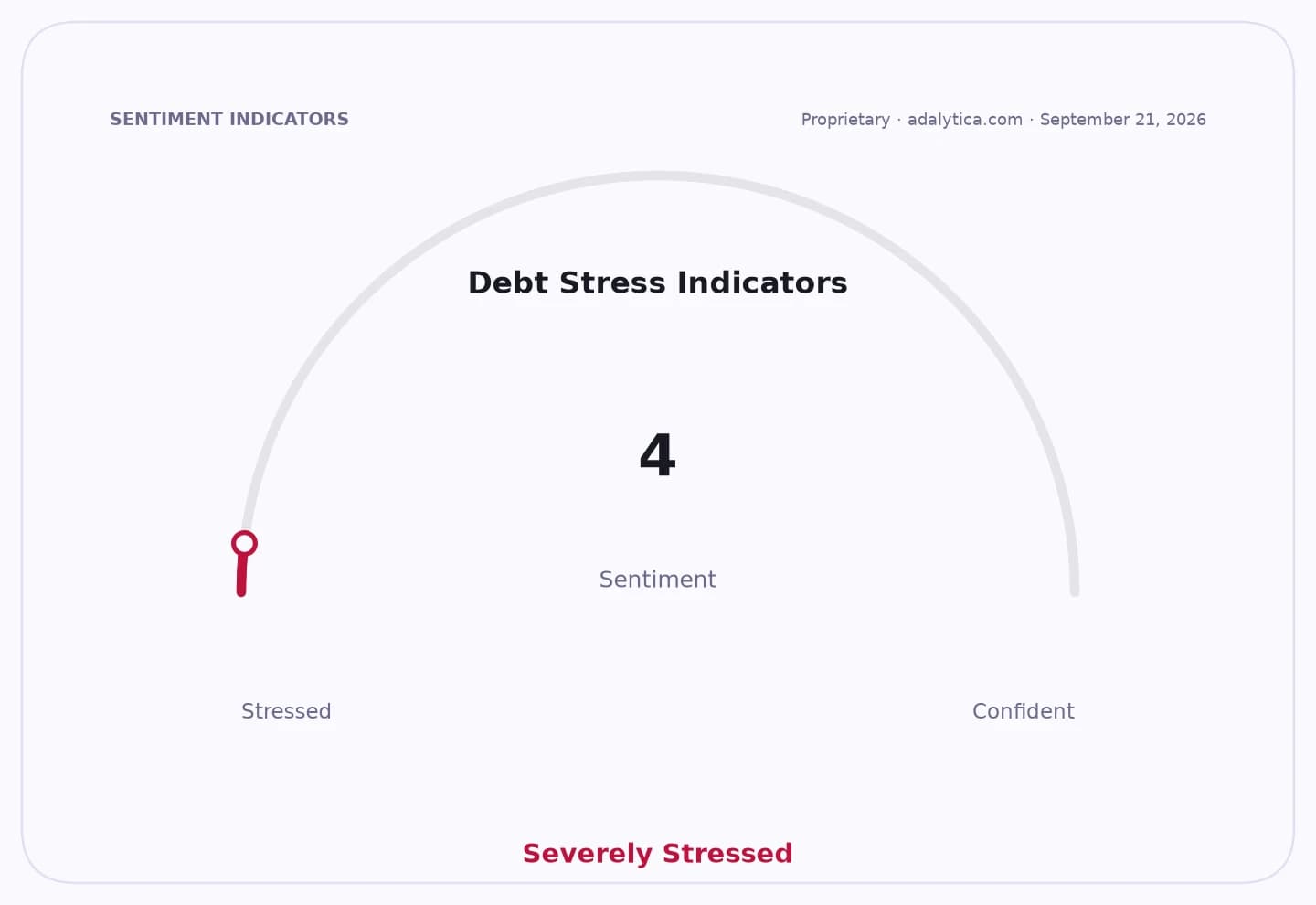
A fresh survey showing 71.9% of Argentines in debt, with credit increasingly used for food, monthly expenses and repayment of older obligations, points to an economy where wages are no longer covering basic living costs. That is the kind of stress that drains discretionary spending, weakens loan quality and keeps consumer demand fragile even when headline inflation cools.
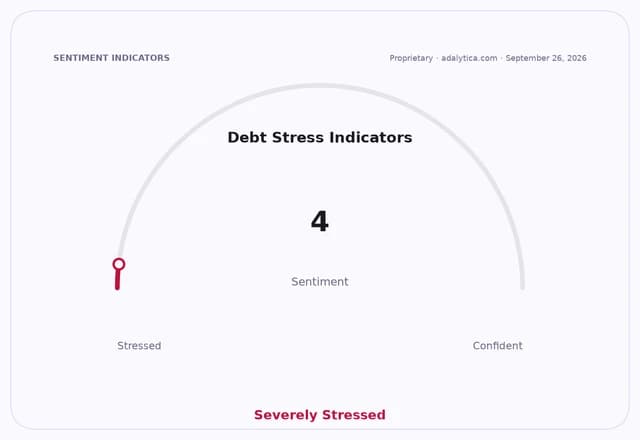
The numbers are stark. Management & Fit found that 71.9% of respondents have some form of debt, while just 28% are debt-free. Credit cards remain the main funding tool at 37.2%, followed by personal loans at 11.1% and loans from digital wallets at 9.9%. But the most important detail is not the source of borrowing — it is the use of it: 33.4% of indebted households borrowed to buy food and cover ordinary monthly expenses, and another 25.9% borrowed to pay other debts.
That means almost six in 10 borrowings are being used either to keep the household running or to roll over prior obligations. In other words, credit is functioning less like a growth lever and more like a bridge to the next paycheck.
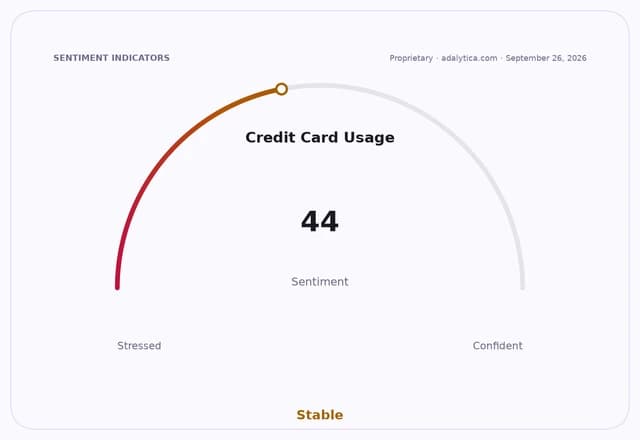
A second survey from Zentrix Consultora reinforces the same picture from another angle. It found that 60.2% of Argentines took on debt or credit in the past six months, rising to 70.2% in the lower-income class and 67.1% among people aged 18 to 39. Among those who borrowed, 76% used the money for food, health care, utilities and services. In the lower-income segment, those essentials account for more than 85% of borrowing.
That is economically significant because it shows household leverage is being driven by necessity, not confidence. When credit is used to fund groceries and electricity instead of durable goods or investment, the economy loses future purchasing power. Households that borrow for basics are simply pulling demand forward while adding repayment pressure later, which tends to worsen delinquencies and tighten credit standards.
The strain is already visible in day-to-day behavior. The reports say 65% of Argentines run out of income before the 20th of the month, and 86.6% of lower-income households needed two or more jobs in July just to make ends meet. That is a sign of an economy operating below social tolerance, where wage gains are being swallowed by living costs and borrowing fills the gap.
For investors, the message is twofold. First, Argentina’s consumer sector remains trapped in a low-quality recovery, limiting upside for retailers, discretionary spending and any business reliant on household confidence. Second, banks may still grow lending volumes, but the mix matters: rising exposure to revolving card debt and emergency borrowing is not the same as healthy credit expansion.
That helps explain why Argentina-linked assets remain volatile even when technicals improve. The ARGT ETF still trades above its 200-day moving average, but its recent pullback and weak RSI readings show the market is not willing to price in a clean macro turn. In broader emerging markets, the contrast with Brazil’s EWZ or the EFA basket underscores how Argentina remains a pure stress test on consumer solvency, not a normal cyclical rebound.
My thesis is simple: the market underestimates how long household balance-sheet damage can suppress an economy that depends on domestic demand. Until wages consistently outrun prices and families stop borrowing to buy food and pay utilities, Argentina will stay stuck in a high-stress, low-multiple regime.
| Entity | Gains | Losses |
|---|---|---|
| Banks and card lenders | ▲Interest income growth | ▼Rising credit risk |
| Digital wallets and loan apps | ▲Borrower demand | ▼Default pressure |
| Consumer staples retailers | ▲Essential spending capture | ▼Weak discretionary demand |
| Argentine households | ▲Short-term liquidity | ▼Long-term balance-sheet stress |