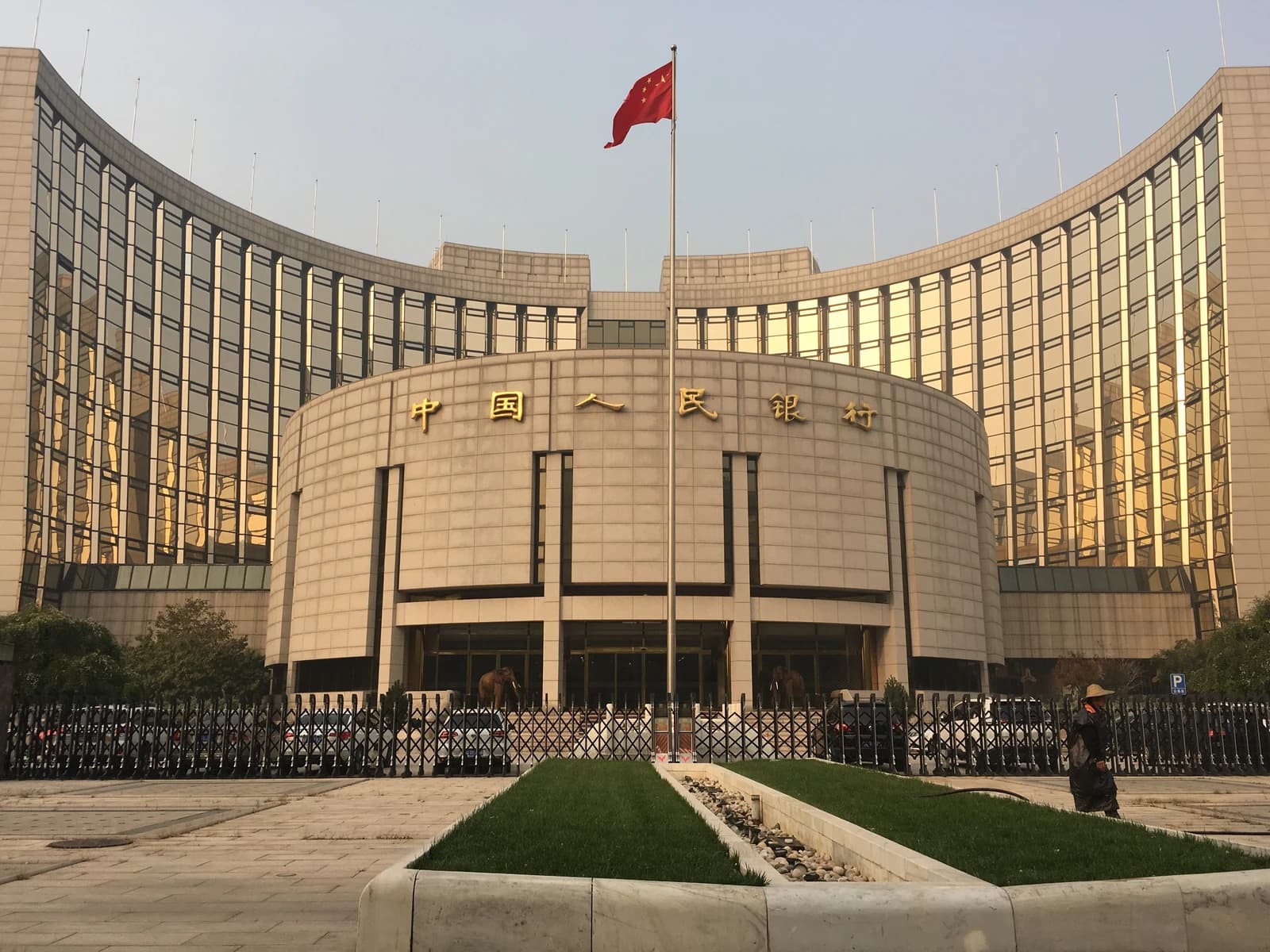
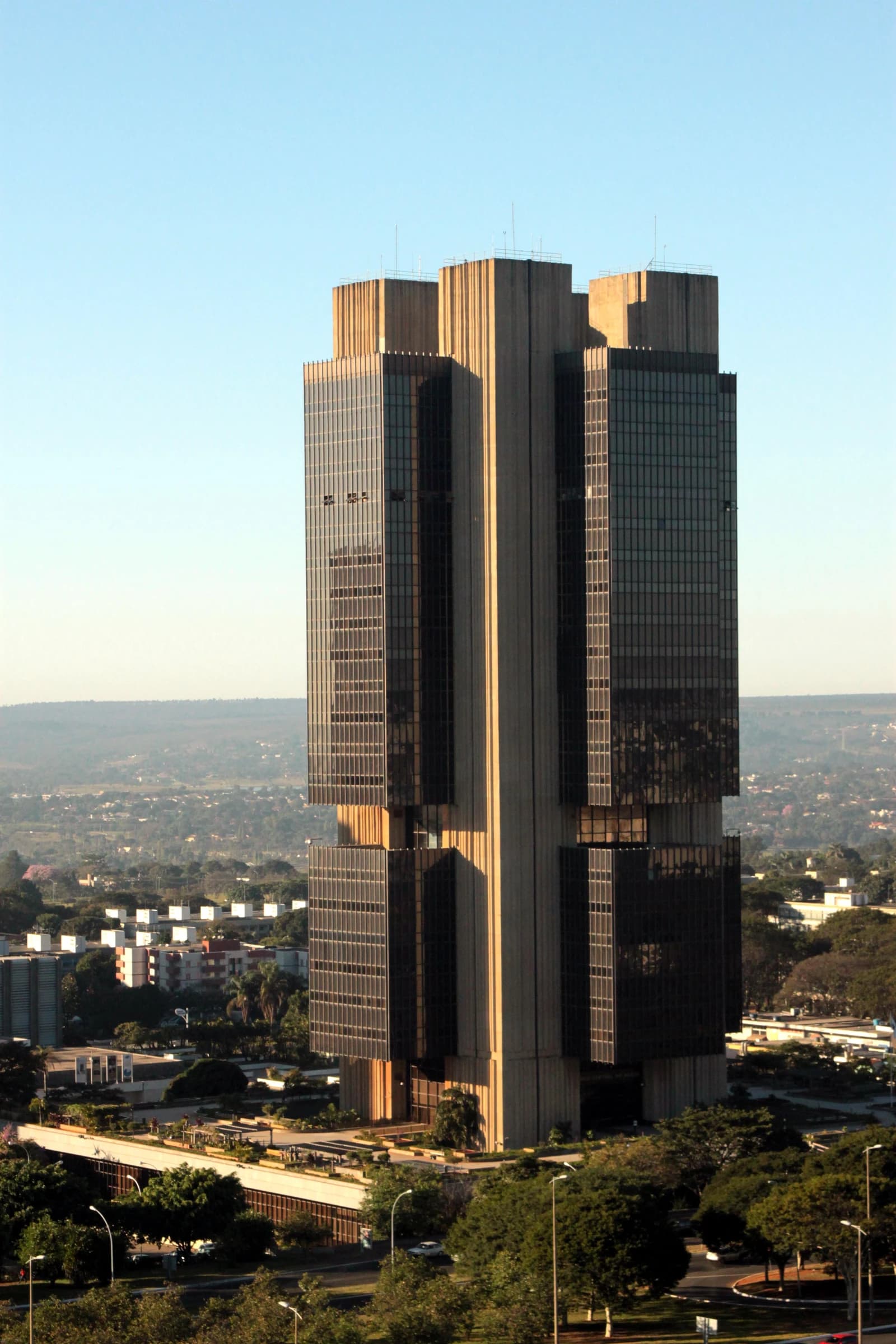
Chile’s unresolved social fracture is back in focus just as investors are being forced to reassess debt risk, with the anniversary of Oct. 18 reviving questions about political stability, fiscal demands and the durability of reforms in emerging markets.
Chile debt risk as EM refinancing returns
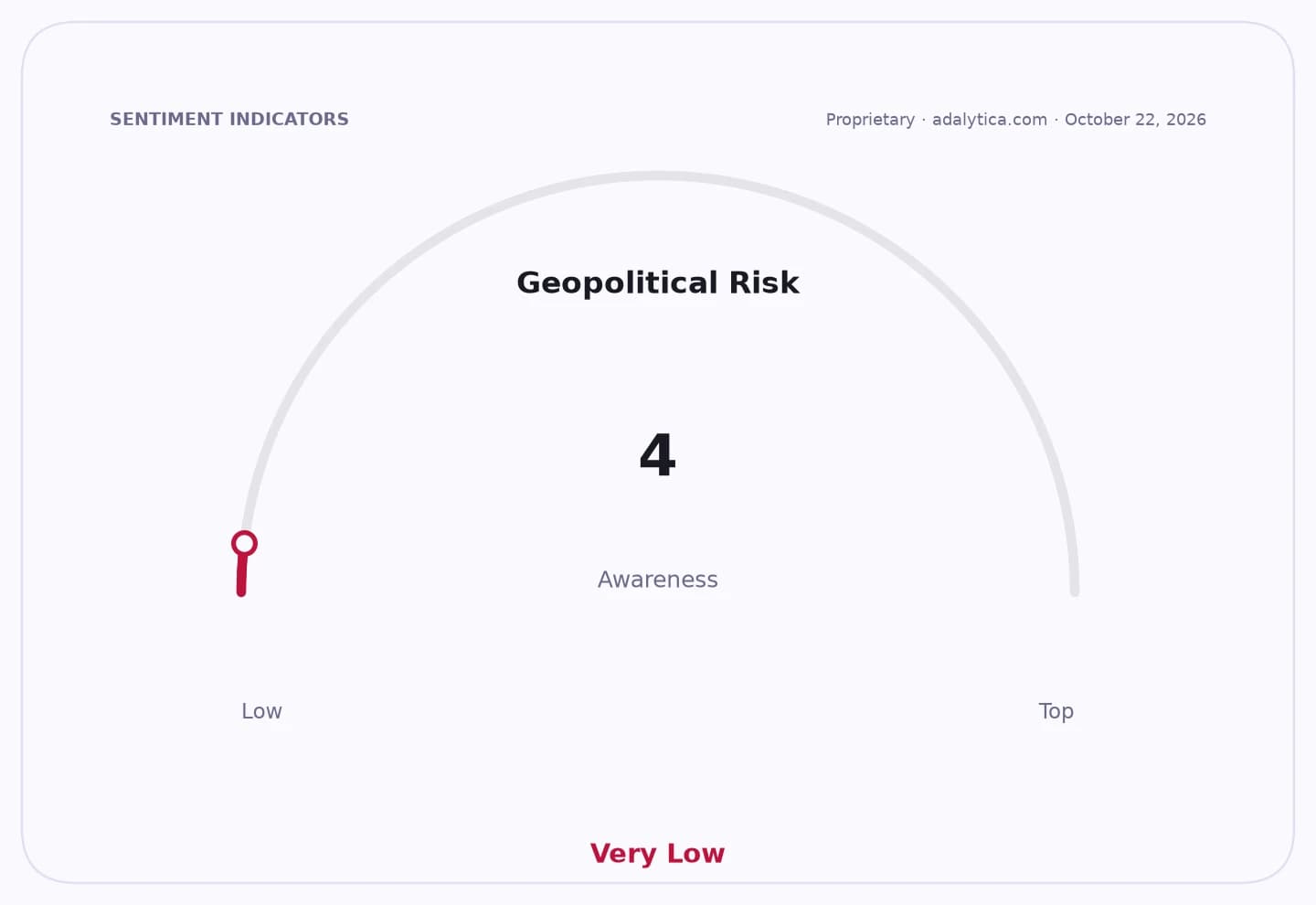
That matters because the story is no longer only about memory or symbolism. The Chilean debate over the 2019 unrest remains tied to the still-unmet social demands that shaped the protests — pensions, health care, transport and dignity — while also underscoring how quickly institutional weakness can be exploited by organized crime. For investors, that mix raises the premium required to own sovereign and financial risk across Latin America, particularly at a moment when public debt refinancing is back on the policy agenda elsewhere in the region.
Sentiment IndicatorsⓘProprietary · adalytica.com · October 22, 2026
This is a snapshot — live sentiment, awareness and momentum for 130+ markets update continuously in the dashboard.Open AlphaPulse
Mexico’s finance ministry has launched its sixth public debt refinancing operation, a reminder that governments are still leaning on liability management to stretch maturities and lower funding stress. That push comes alongside legislative efforts to forgive certain debts and raise revenue thresholds for small businesses, a politically attractive but economically delicate balancing act. The common thread is debt management under pressure: authorities are trying to reduce near-term financial strain without choking growth or worsening perceptions of long-run solvency.
Markets are reflecting that unease. Western Asset Emerging Markets Debt Fund, which trades under the EMD ticker, has been drifting lower and recently closed at $9.31, below its 50-day moving average of $9.87 and 200-day average of $10.06. Its relative strength index at 49.6 suggests the fund is neither deeply oversold nor recovering convincingly, while the MACD remains below its signal line, pointing to persistent downward momentum. Citigroup has also come under pressure, finishing at $123.85 after a sharp slide from earlier highs, though it still trades above its 200-day average of $125.71. The conventional technical setup suggests the market is cautious rather than panicked.
The bigger economic issue is that debt politics and social legitimacy are increasingly intertwined. In Chile, the 2019 unrest exposed the cost of long-delayed structural reforms, but it also showed how a breakdown in public order can impose direct economic damage on local commerce, municipal services and infrastructure. The memory remains politically potent because the underlying grievances have not been fully resolved. That uncertainty matters to investors because unresolved social pressure can constrain policy, delay investment and keep financing costs elevated even when headline growth or inflation looks manageable.
The investment case is split. Bullish investors will argue that refinancing operations, debt relief and institutional responses reduce tail risk and buy time for reforms. The bear case is that repeated refinancing can mask rather than solve balance-sheet stress, while political polarization over how to define the 2019 events only deepens the policy impasse. For EM debt holders, the key question is whether governments are repairing creditworthiness or merely rolling it forward.
What to watch next is whether policymakers can turn liability management into durable credibility. If they cannot, the October 18 memory will continue to matter not just as a political anniversary, but as a reminder that unresolved social debt can eventually show up in financial markets.
| Entity | Gains | Losses |
|---|---|---|
| Governments refinancing debt | ▲Near-term funding relief | ▼Less fiscal flexibility |
| Small businesses and debtors | ▲Lighter repayment burden | ▼Slower credit discipline |
| EM debt investors | ▲Higher yield opportunities | ▼Greater policy risk |
| Local communities and commuters | ▲Longer-term reform focus | ▼Continued uncertainty |