Latin American debt is regaining its appeal just as U.S. markets become increasingly dominated by a narrow AI trade, giving investors a place to look for income, diversification and potentially steadier returns.
Latin American Debt Gains Appeal as AI Trade Crowds

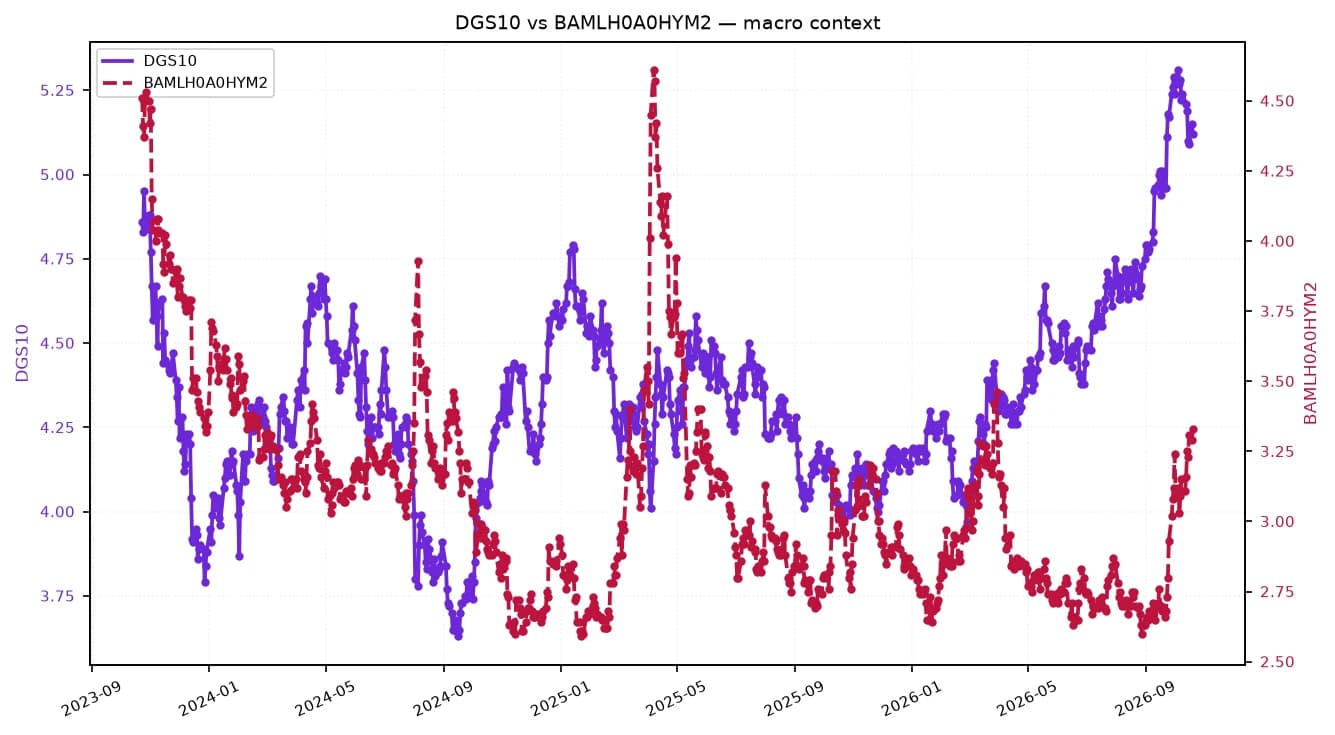
That matters because portfolio construction is getting harder. When a handful of mega-cap growth stocks drive much of the S&P 500, and when Treasury yields remain elevated at about 5.1%, investors are forced to choose between chasing expensive winners and hunting for yield in a still-uncertain rate environment. Latin American sovereign and corporate debt offers a different return stream, one less tied to the fortunes of AI spending, valuation multiples and U.S. equity sentiment.
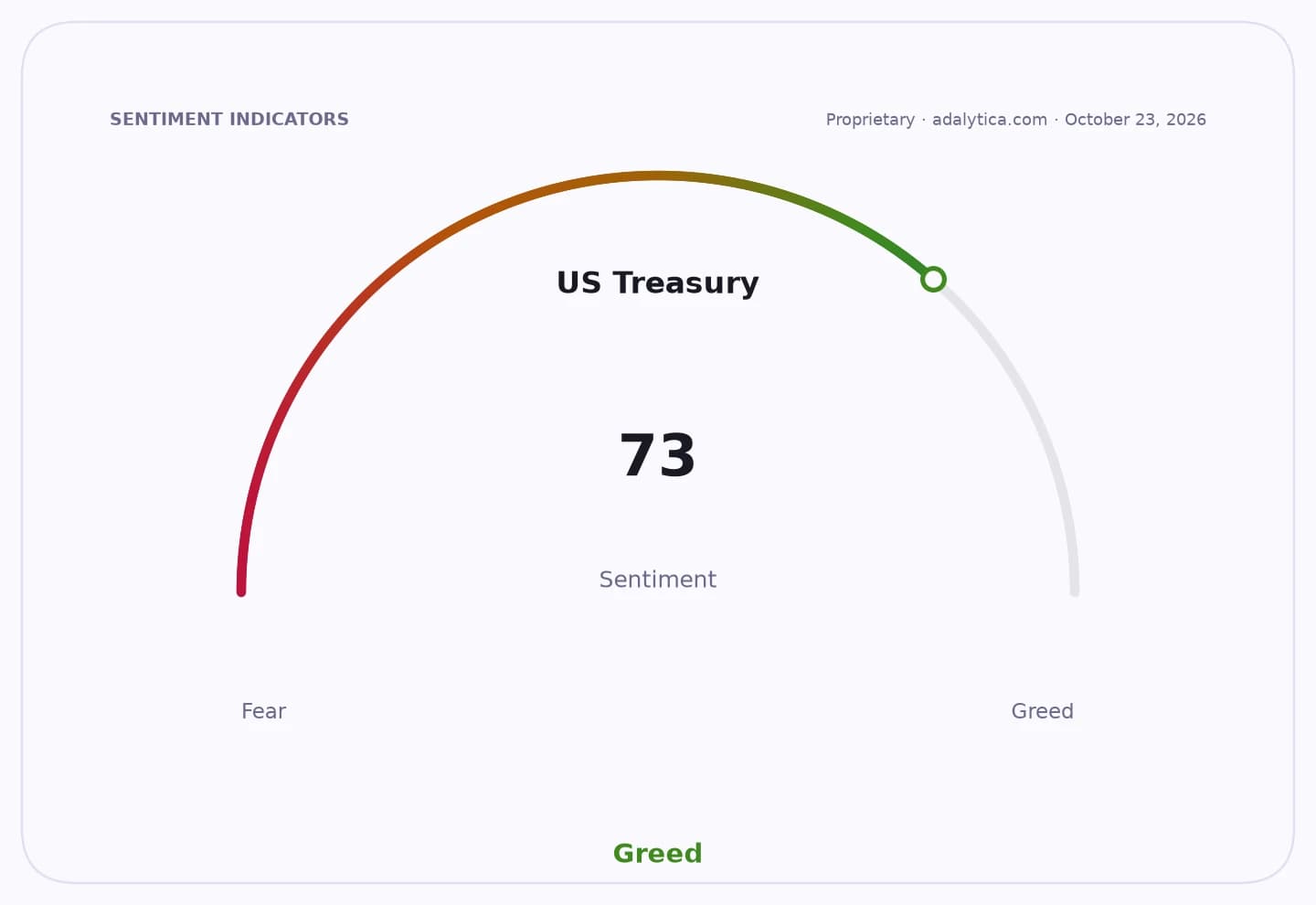
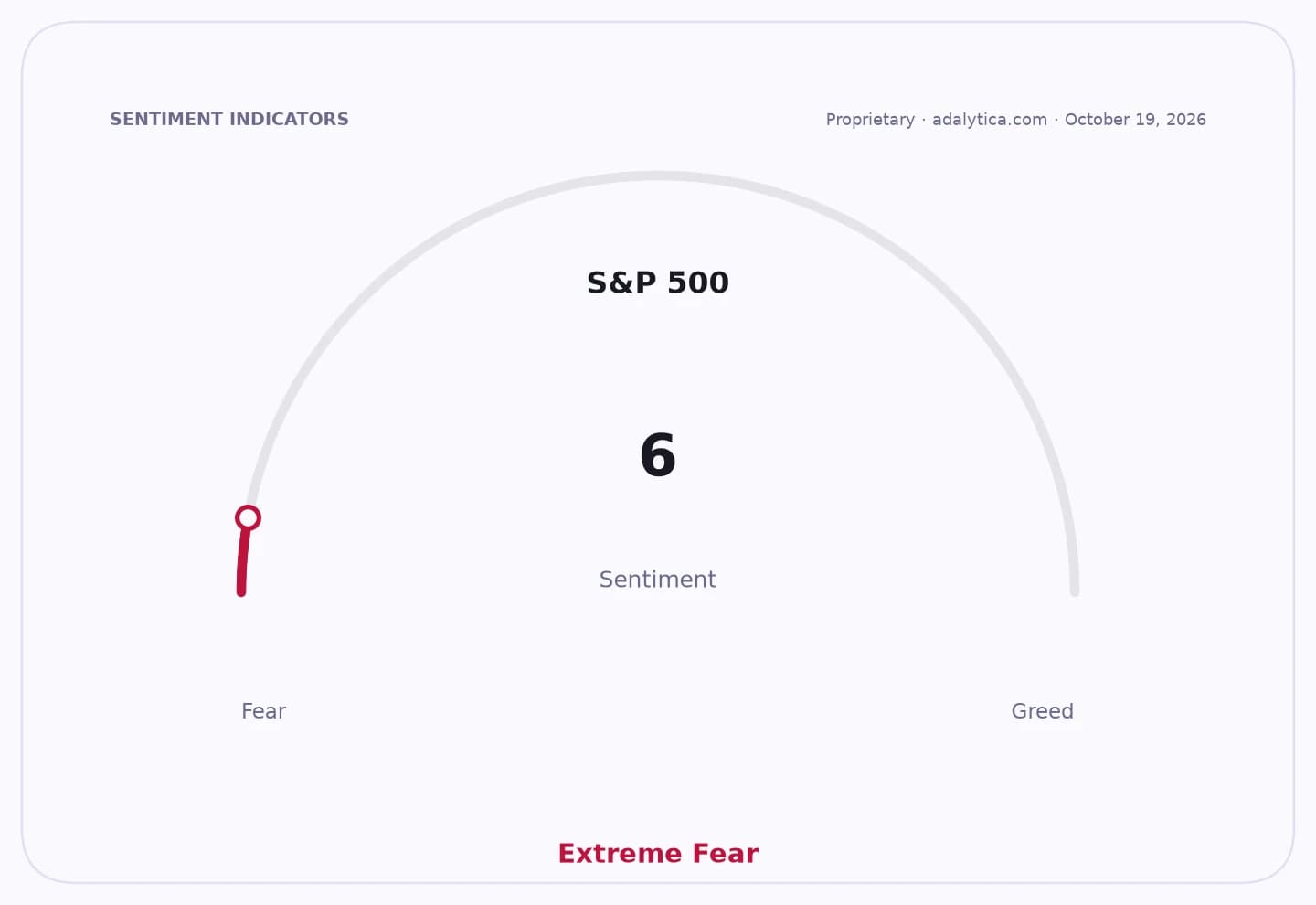
Sentiment IndicatorsⓘProprietary · adalytica.com · October 17, 2026
This is a snapshot — live sentiment, awareness and momentum for 130+ markets update continuously in the dashboard.Open AlphaPulse
The case is not just theoretical. The iShares J.P. Morgan USD Emerging Markets Bond ETF, a widely used proxy for the asset class, has held near $91 to $92 in recent sessions and is close to its 50-day moving average, even after a bout of volatility. The ETF’s 200-day moving average sits around $93.22, showing that the market has largely been in consolidation rather than collapse. At the same time, high-yield credit spreads have stayed contained around 3.23 percentage points, suggesting investors are still willing to take credit risk without demanding crisis-level compensation.
For long-term investors, that combination is important. Latin American debt tends to respond more to local growth, commodity prices, fiscal policy and central-bank credibility than to the same forces that move U.S. technology stocks. That makes it useful in a year when AI enthusiasm has lifted U.S. equities while the dollar’s recent signals have softened and global investors are looking harder at where returns can come from next. The S&P 500’s own trade-signal snapshot remains only neutral, underscoring that broad U.S. equity leadership is not as simple or durable as it was earlier in the year.
The attraction is also about yield. U.S. 10-year Treasury yields are still anchored around 5%, leaving plenty of room for investors to seek higher coupons elsewhere without necessarily abandoning quality entirely. In that world, Latin American debt can work as a middle ground: higher income than developed-market sovereigns, but often with more macro discipline than lower-rated credit elsewhere. That is especially relevant for investors building diversified portfolios for the next three to 10 years, not just the next quarter.
Still, this is not a risk-free trade. Latin America remains exposed to currency swings, commodity cycles and political surprises, and some borrowers can be hurt if global financing conditions tighten again. But those risks are exactly why the asset class can diversify a portfolio: it does not move in lockstep with U.S. megacap tech, and it can benefit when investors decide they want exposure to growth outside the crowded AI theme.
For investors, the takeaway is simple. If your portfolio has become too dependent on a handful of U.S. winners, Latin American debt deserves a place on the watchlist as a source of yield, diversification and potentially more balanced returns over time.
| Entity | Gains | Losses |
|---|---|---|
| Latin American debt investors | ▲Higher yield, diversification | ▼Currency and political risk |
| U.S. AI megacap stocks | ▲Continued capital focus | ▼Some portfolio flows |
| EM bond ETF holders | ▲Broader return mix | ▼If credit spreads widen |
| U.S. bond investors | ▲Stability in core holdings | ▼Lower relative income |