Long-term US government bonds are rebounding even as the benchmark 10-year yield holds above 5%, underscoring how investors are still trying to position for a world where policy rates, inflation and sovereign borrowing costs remain unsettled.
US Treasury bonds rebound as 10-year yield stays high
That is the backdrop for PPFAS Mutual Fund CIO Tejas Soman’s latest take on the “ultimate debt strategy” — a debate that matters well beyond portfolios because higher global yields can spill into Indian borrowing costs, pressure the rupee and shape how aggressively the Reserve Bank of India can ease or tighten.
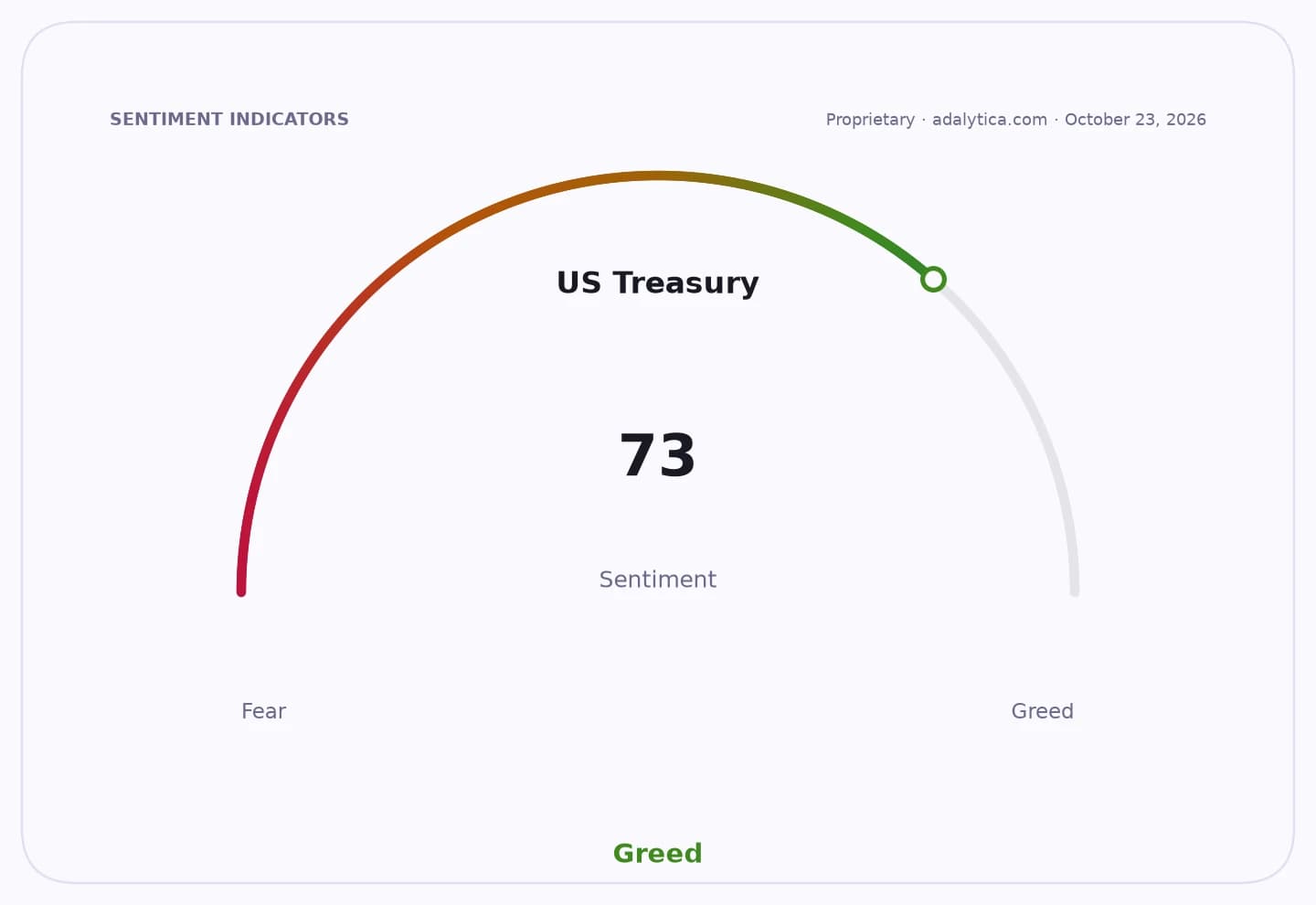
Sentiment IndicatorsⓘProprietary · adalytica.com · October 23, 2026
This is a snapshot — live sentiment, awareness and momentum for 130+ markets update continuously in the dashboard.Open AlphaPulse
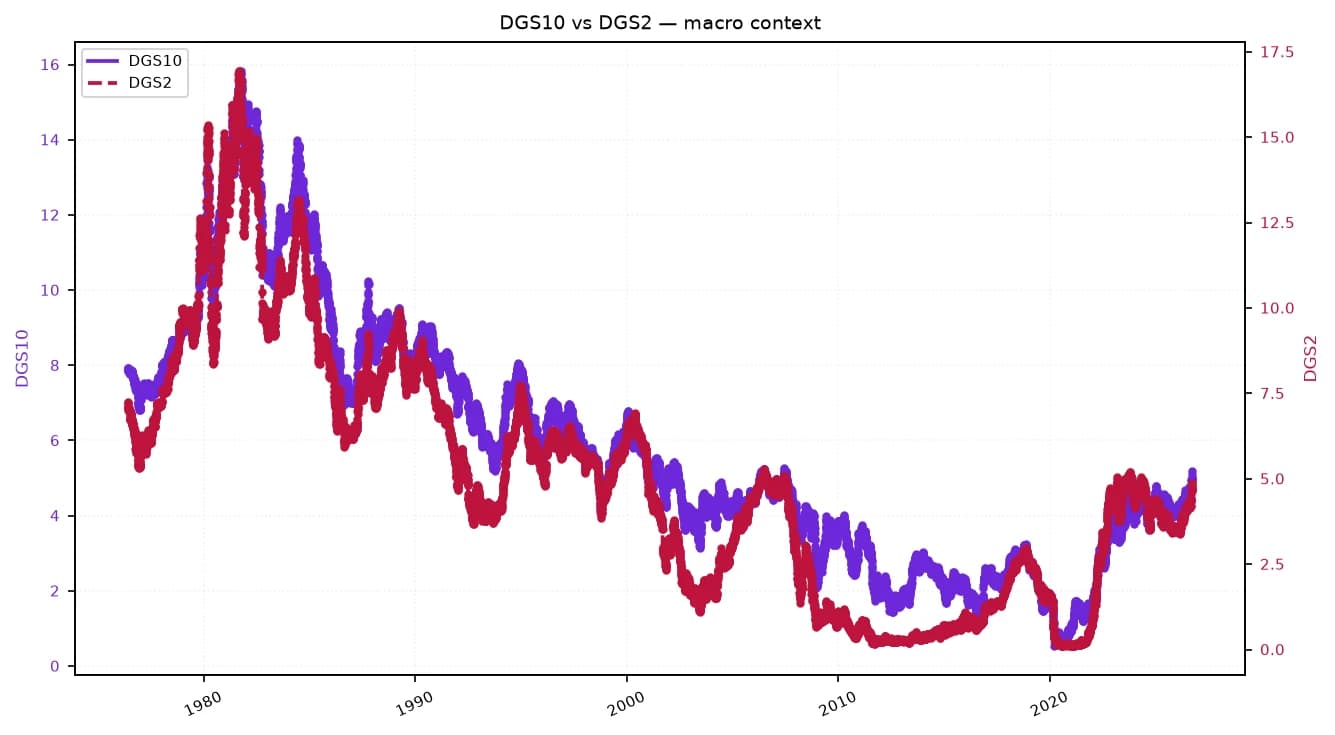
The 10-year Treasury yield was last at 5.145%, near its highest levels in years, while the federal funds rate stands at 3.75% and is forecast at 3.726% for October. Even with that rate backdrop, the iShares 20+ Year Treasury Bond ETF, TLT, has clawed back to 81.74 after sliding to 79.46 on Oct. 19, suggesting some investors are starting to price in a less one-way rate shock.
That matters for debt investors in India because the same forces driving US bond volatility — heavier fiscal supply, sticky inflation and tighter financial conditions — can tighten global liquidity and keep domestic borrowing costs elevated. Soman’s timing also lands as investors weigh whether to stay in fixed deposits, buy bonds directly or use debt mutual funds to manage duration and reinvestment risk.
FEDFUNDS vs DGS10 — macro contextadalytica.com
Explore this data interactively — full history, time series and cross-market comparisons.Open AlphaPulse
On the macro side, US consumer prices remain above comfort levels, with CPI at 336.298 in September, while the dollar has weakened from recent peaks, according to Adalytica trade signals. At the same time, the Fed is not yet signaling an outright easing cycle, leaving rate-sensitive assets vulnerable to further swings.
That keeps the bond-versus-FD decision highly tactical. Fixed deposits offer certainty, but bond yields and debt funds can outperform if rates stabilize or fall; the risk is that another inflation or growth shock pushes yields higher again and erodes mark-to-market returns.
For investors, the immediate takeaway is that duration is back as a live risk factor, not a background one. The 50-day moving average on TLT is now being challenged from below, while its RSI has jumped to 83.1, a level that often indicates overbought conditions in conventional technical analysis.
In the broader market, the S&P 500’s SPY remains well above its 200-day moving average, but the bounce in bonds suggests asset allocators are still hedging against policy uncertainty rather than fully embracing a risk-on regime. That sets up a key test for debt markets into the next US inflation prints and any further comments from the Federal Reserve, while Indian investors wait to see whether the RBI follows global rates higher or holds back.
| Entity | Gains | Losses |
|---|---|---|
| Long-duration bond holders | ▲Price rebound if yields ease | ▼Mark-to-market losses if yields rise |
| Fixed deposit investors | ▲Certainty of return | ▼Upside if bond yields fall |
| Debt mutual funds | ▲Better relative demand if rates stabilize | ▼NAV volatility from duration risk |
| Borrowers / sovereign issuers | ▲Slight relief if global yields retreat | ▼Higher funding costs if bond stress persists |