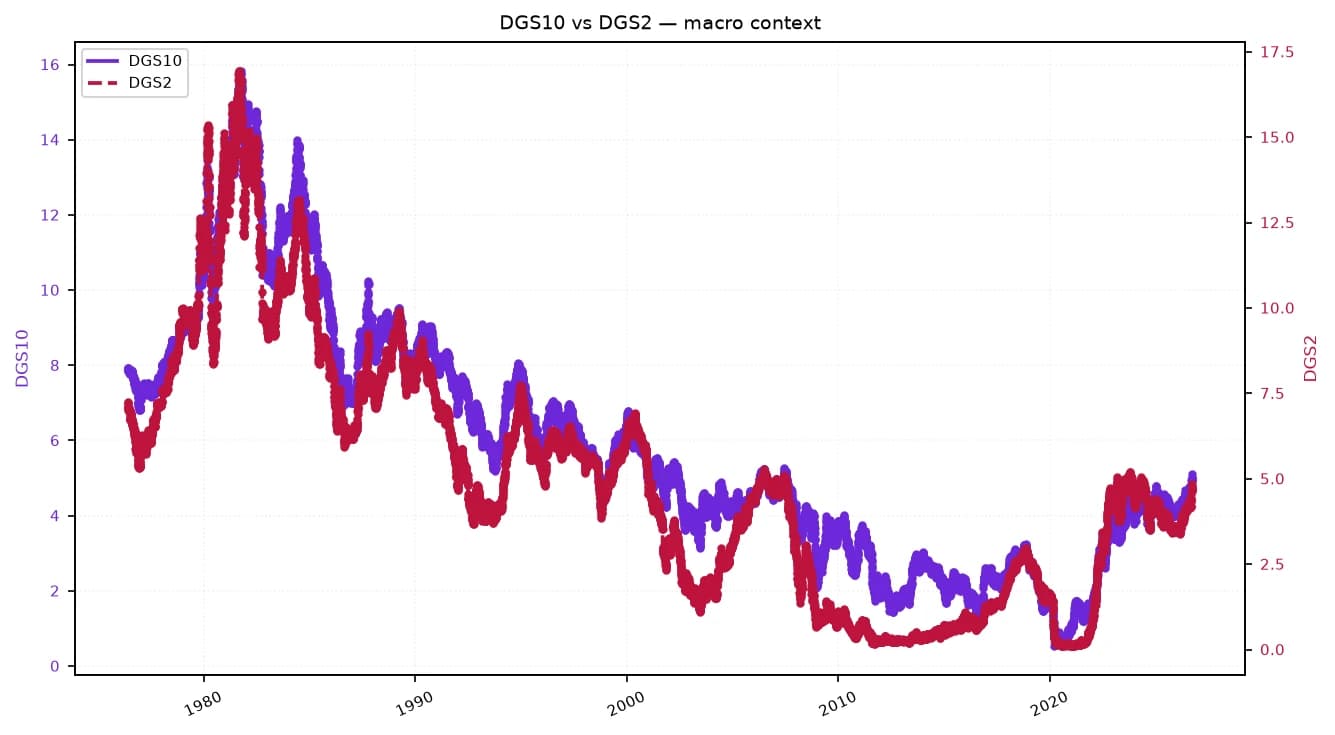
The selloff in US government debt is forcing investors to look beyond long-duration bonds, with 10-year Treasury yields rising to 5.318% and the 2-year at 4.946%, levels that keep borrowing costs elevated across mortgages, corporate finance and government funding.
US Treasury Yields Rise, Pressuring Bonds and Housing

That matters because the move is not just a price dislocation in bonds; it is a re-pricing of the entire cost of capital. The benchmark 30-year mortgage rate has moved above 7% for the first time in two years, adding pressure to housing demand, while higher Treasury yields feed through to corporate bond coupons and public borrowing needs.
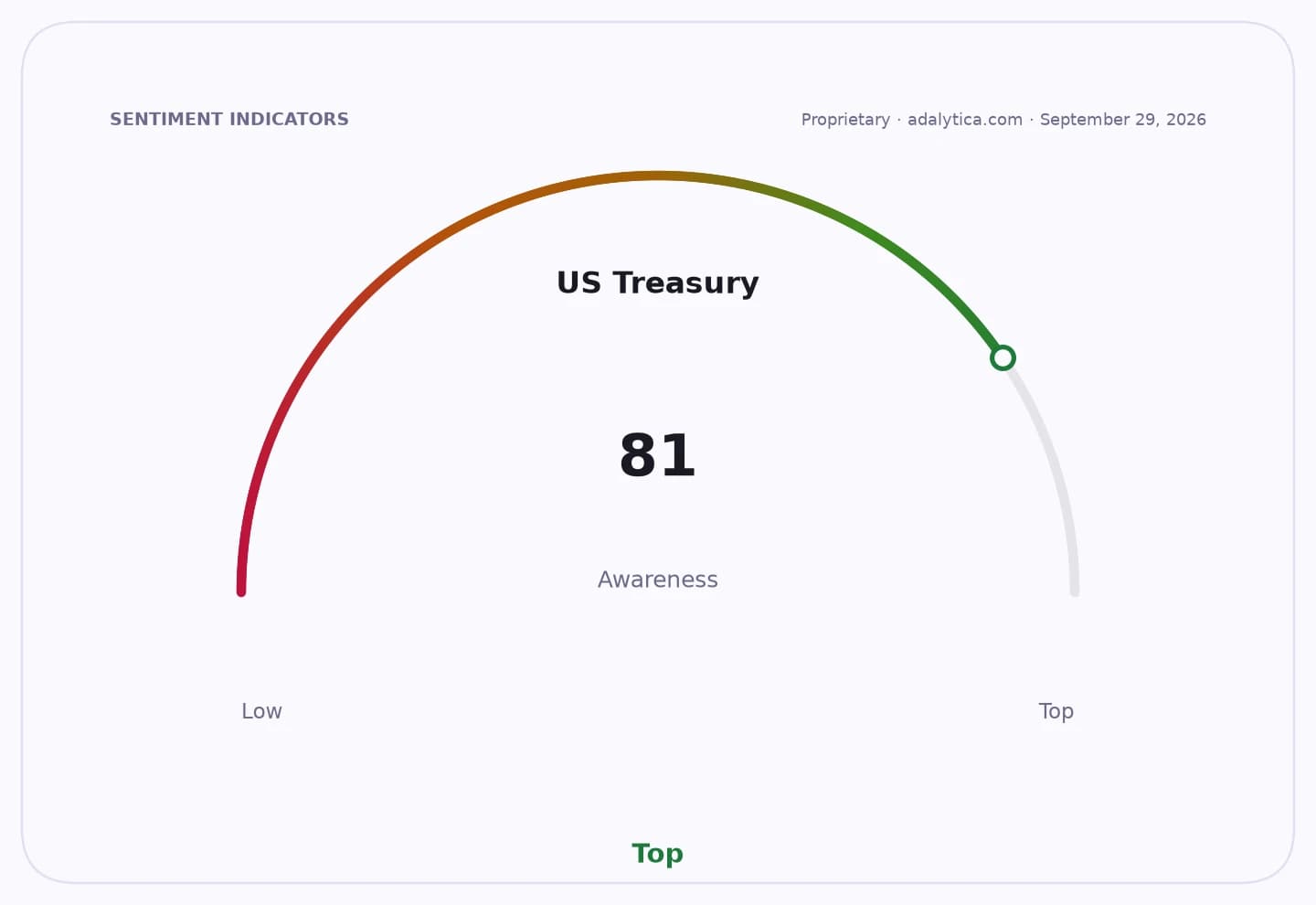
Sentiment IndicatorsⓘProprietary · adalytica.com · September 30, 2026
This is a snapshot — live sentiment, awareness and momentum for 130+ markets update continuously in the dashboard.Open AlphaPulse
For investors trying to dodge the damage, the appeal of cash-like instruments and shorter-dated fixed income is rising. The 2-year yield remains below the 10-year but still near 5%, offering income without as much duration risk, while bond ETFs that hold longer maturities remain under pressure as prices fall when yields rise.
The market backdrop shows the shift is broad-based. TLT, the long Treasury ETF, closed at 78.62 on Sept. 28, down from 85.67 in early November and well below its 50-day moving average of 81.87, with its relative strength index at 24.9, a conventional technical reading that points to heavy selling. IEF, the intermediate Treasury ETF, finished at 89.53, also below its 50-day average and with RSI at 23.8, while LQD, the investment-grade corporate bond ETF, fell to 102.47 as higher benchmark yields squeeze credit prices too.
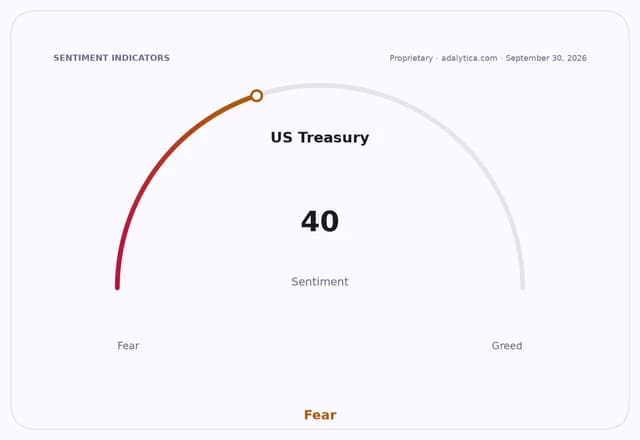
Adalytica’s trade signals show the same tension: TLT’s sentiment reading is neutral at 40, but awareness is at 92, flagged as extreme greed, after a 59% drop over 30 days. The dollar snapshot is in extreme fear, while SPY is in fear, underscoring how the bond rout is rippling into cross-asset positioning rather than staying confined to fixed income.
The narrative for investors is simple: duration is no longer free money. Portfolios that relied on falling yields to lift bond prices are now being tested, and the alternatives favored in this environment are shorter-duration Treasurys, cash and selective equities with pricing power rather than long-dated debt.
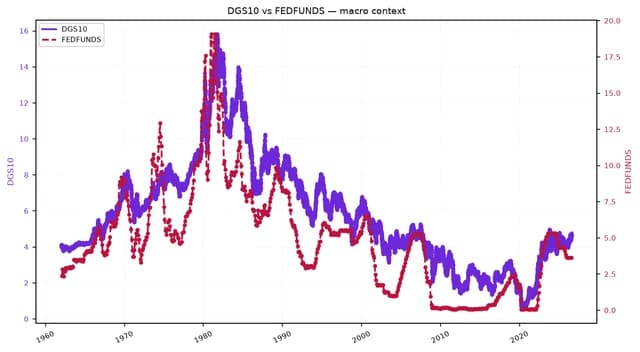
The next catalyst is the path of inflation and Fed policy, with the market already pricing a higher-for-longer backdrop and some forecasts calling for the 10-year Treasury yield to reach 6% early next year. If that happens, the bond-market beatdown would deepen and keep pressure on rate-sensitive sectors from housing to REITs and levered credit.
| Entity | Gains | Losses |
|---|---|---|
| Cash and short bills | ▲Higher yield with low duration risk | ▼Less upside if yields fall |
| Long-duration Treasury holders | ▲None | ▼Price losses from rising yields |
| Mortgage borrowers | ▲None | ▼Higher monthly payments |
| Rate-sensitive stocks and REITs | ▲None | ▼Higher financing costs |