Brazil’s central bank is weighing limits on consumer credit tied to income in a bid to slow household indebtedness, a move that could reshape lending standards for banks and cool a fast-growing market for unsecured loans and credit cards.
Brazil central bank weighs income limits on consumer credit

The proposal matters because Brazil’s household balance sheets are already stretched. Central bank data cited by Reuters show family debt at 49.9% of income over the 12 months through July, while Serasa says the country has a record 83.9 million delinquent consumers. That combination leaves regulators trying to reduce the flow of new risky credit rather than simply clean up existing arrears.
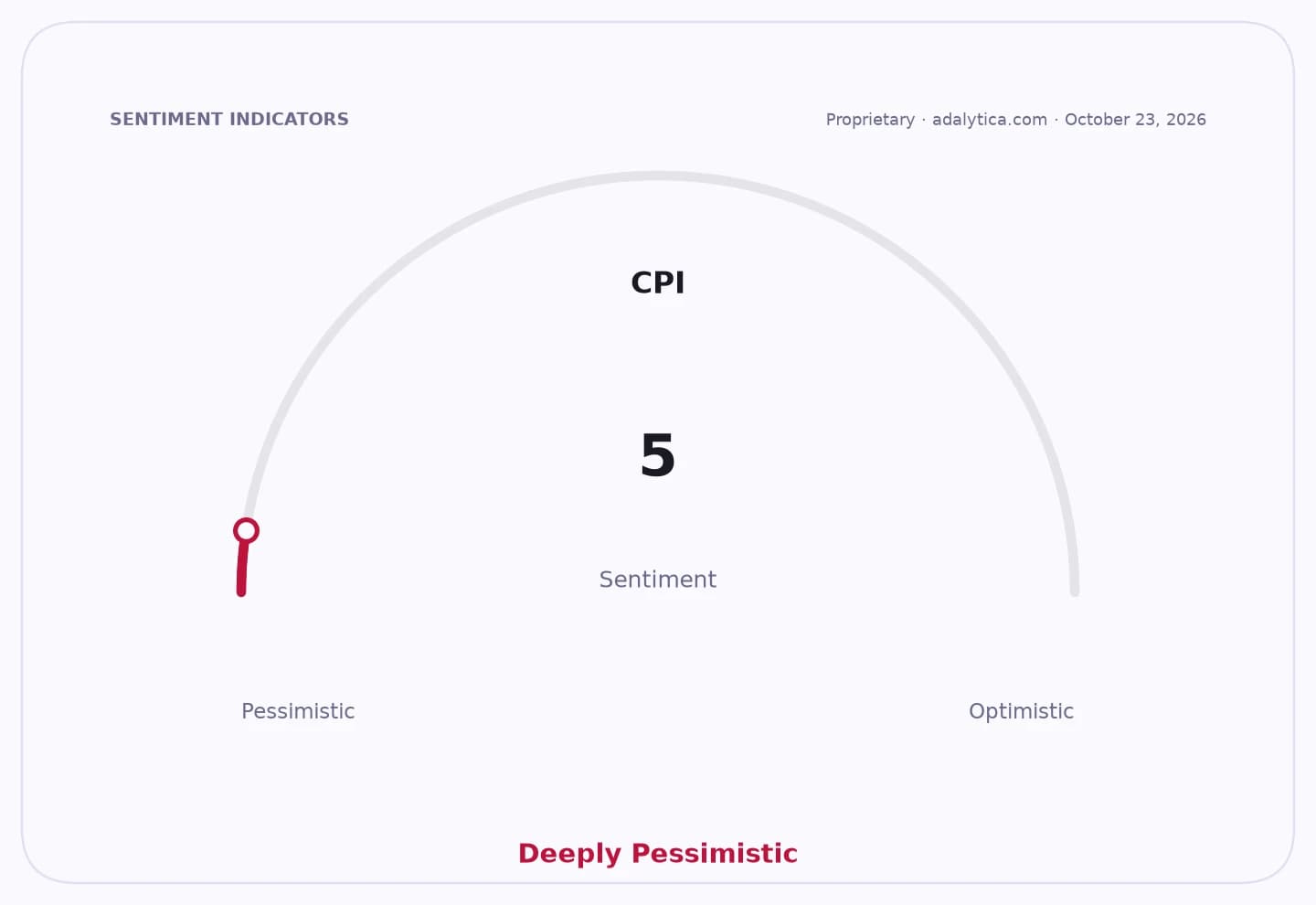
Sentiment IndicatorsⓘProprietary · adalytica.com · October 25, 2026
This is a snapshot — live sentiment, awareness and momentum for 130+ markets update continuously in the dashboard.Open AlphaPulse

The policy discussion points to a more intrusive phase of macroprudential supervision. According to people familiar with the talks, the central bank is studying a framework that would cap unsecured borrowing according to income, drawing on foreign models such as Singapore, where low- and middle-income borrowers face set ceilings on credit card and other unsecured limits. Brazilian banks would also face tougher obligations to assess repayment capacity and present loan terms more clearly before contracts are signed.
For lenders, the economic effect could be twofold: slower loan growth in higher-margin products and potentially lower future losses if underwriting improves. Unsecured consumer credit and card lending have been among the most lucrative lines in Brazil’s digital banking era, benefiting from faster approvals and lower distribution costs. But regulators are increasingly focused on the downside of that convenience — rapid credit expansion can intensify defaults when households are already overextended.
That is why the market implications extend beyond consumers. A tighter regime could pressure revenue growth for card issuers and consumer finance specialists while favoring banks with stronger funding, better risk models and more diversified loan books. It may also temper competition in a segment where digital channels have made it easy to extend credit in minutes, sometimes without sufficient scrutiny of a borrower’s broader obligations.
Investors in Brazilian financials will be watching how far the central bank goes. A modest disclosure and affordability regime would be manageable; binding income-based caps would be more disruptive, especially if imposed on unsecured credit and card balances. The timing also matters: officials have said any capital increase for banks would not be part of the first package, suggesting the initial focus is on underwriting standards rather than direct balance-sheet penalties.
The debate underscores a larger policy shift. Brazil is trying to contain a household debt problem that has become both an economic drag and an election issue, with presidential candidates already proposing debt relief and loan-buyback schemes. The central bank’s response is different: it is trying to prevent the next wave of borrowing from becoming the next wave of distress.
| Entity | Gains | Losses |
|---|---|---|
| Brazilian households | ▲Better protection from overborrowing | ▼Less access to quick credit |
| Central bank/regulators | ▲Greater financial stability | ▼More pressure to enforce rules |
| Banks/card lenders | ▲Lower future default risk | ▼Slower unsecured-loan growth |
| Highly indebted borrowers | ▲Fewer harmful credit offers | ▼Tighter borrowing limits |