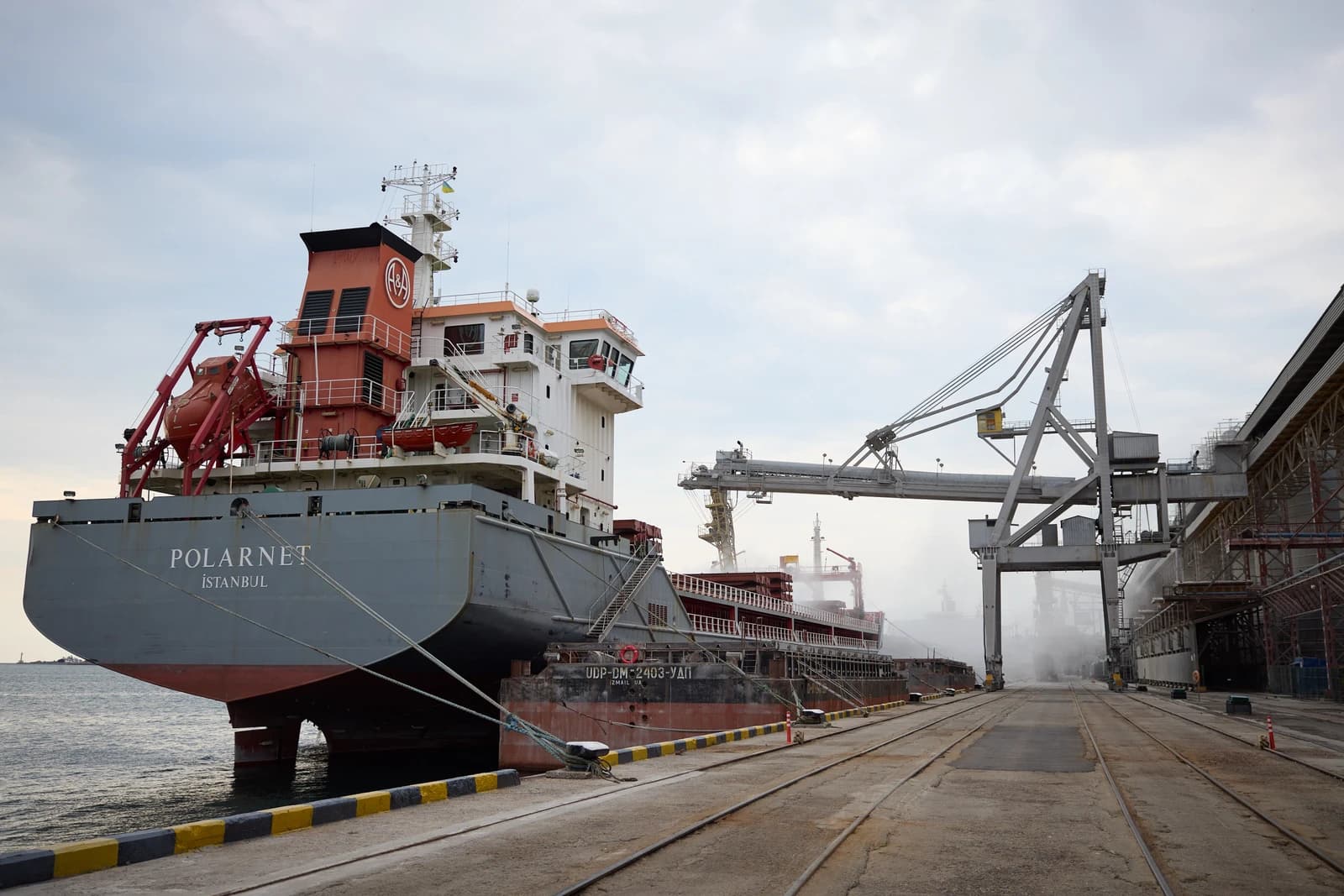
Brazilian corn shipments to Europe could surge eightfold in October, a broker said, as the European Union scrambles for grain after a shortfall in regional supply and weaker availability from competing exporters. The jump underscores how trade flows are being reshaped by crop disruptions in Eastern Europe and rising import demand from the EU, the world’s biggest grain market.
Brazil Corn Shipments to Europe Could Rise in October
The shift matters because Europe has been forced to lean harder on imported corn after a 40% year-on-year rise in imports since the start of the 2026/27 season, according to the market context provided. Ukrainian sellers have tilted more aggressively toward corn while cutting wheat exports, but the war-hit country remains constrained by logistics and harvest losses, leaving room for Brazil to step in.
Sentiment IndicatorsⓘProprietary · adalytica.com · October 27, 2026
This is a snapshot — live sentiment, awareness and momentum for 130+ markets update continuously in the dashboard.Open AlphaPulse
For Brazilian exporters, the surge points to a potential windfall in sales at a time when global grain flows are volatile and weather, harvest timing and trade policy are all moving the market. Brazil is also poised to benefit from the pending Mercosur-EU trade agreement, which is expected to remove tariffs on most Brazilian exports over four years and could strengthen its competitiveness in Europe beyond October’s shipments.
The development is also relevant for investors in agribusiness and grain traders, including Archer-Daniels-Midland, Bunge and other exporters exposed to South American origination and European demand. U.S. corn futures have been under pressure from an accelerating harvest, while corn market volatility remains elevated, suggesting export surprises could continue to move prices and margins.
A stronger Brazilian foothold in Europe would not just redirect cargoes; it would deepen competition for exporters across the Black Sea and the Americas and potentially keep global corn prices choppy into year-end. The key catalyst now is whether the October pace translates into sustained demand from European buyers heading into the next import window.
| Entity | Gains | Losses |
|---|---|---|
| Brazil exporters | ▲Higher sales to Europe | ▼— |
| EU buyers | ▲More supply options | ▼Higher import dependence |
| Ukrainian exporters | ▲— | ▼Share loss in Europe |
| ADM / Bunge / peers | ▲Trading volume opportunities | ▼Margin volatility |