Ukraine’s corn market is getting hit from both sides: harvest volumes are rising, but prices are sliding as the U.S. and other major exporters flood the market with fresh supply.
Ukraine Corn Prices Fall as Harvest Rises

That is the economically important shift investors and grain traders need to watch. More corn is coming off Ukrainian fields, but the price that farmers and exporters can realize is weakening at the very moment global benchmark markets are under pressure. December corn futures in Chicago fell 3.6% on the week to $182.4 a ton, while March corn in Paris lost 4.6% to €268.5 a ton, underscoring that this is not a local price wobble but a broader repricing of grain as the global supply outlook improves.
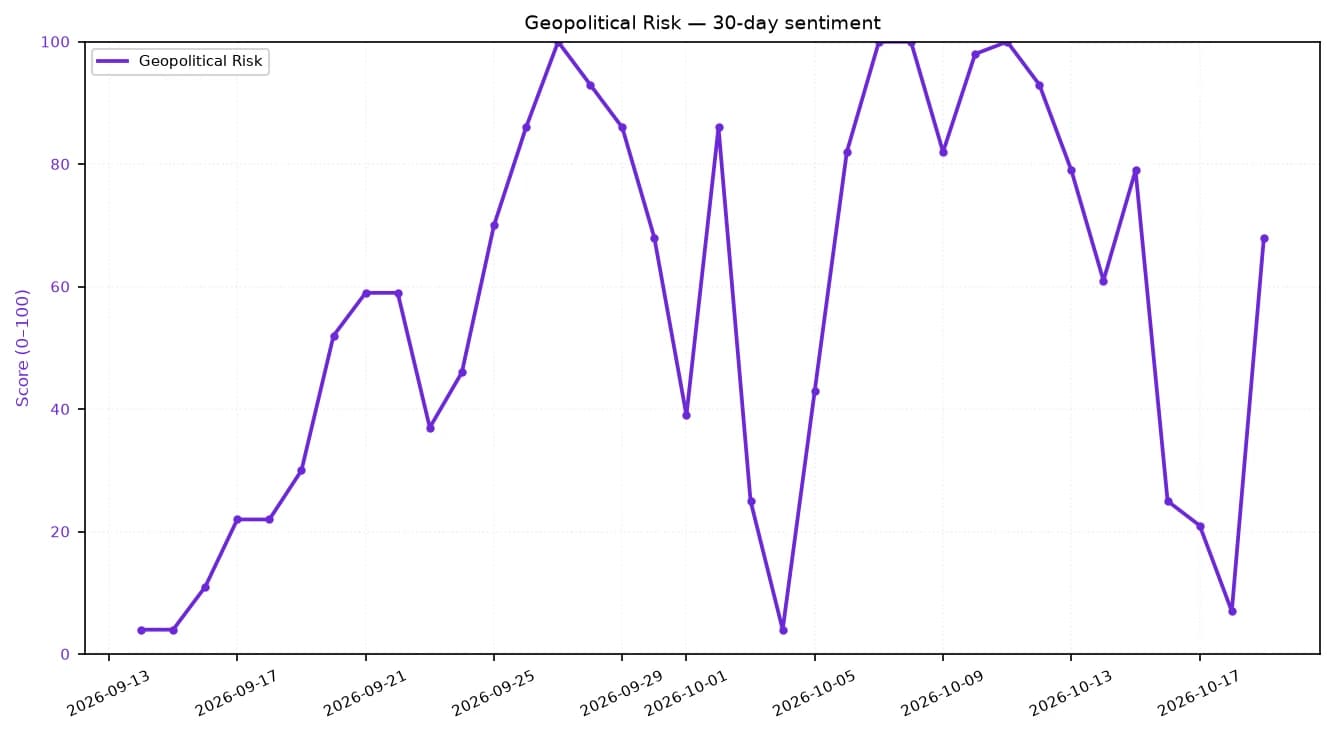
Sentiment IndicatorsⓘProprietary · adalytica.com · October 28, 2026
This is a snapshot — live sentiment, awareness and momentum for 130+ markets update continuously in the dashboard.Open AlphaPulse
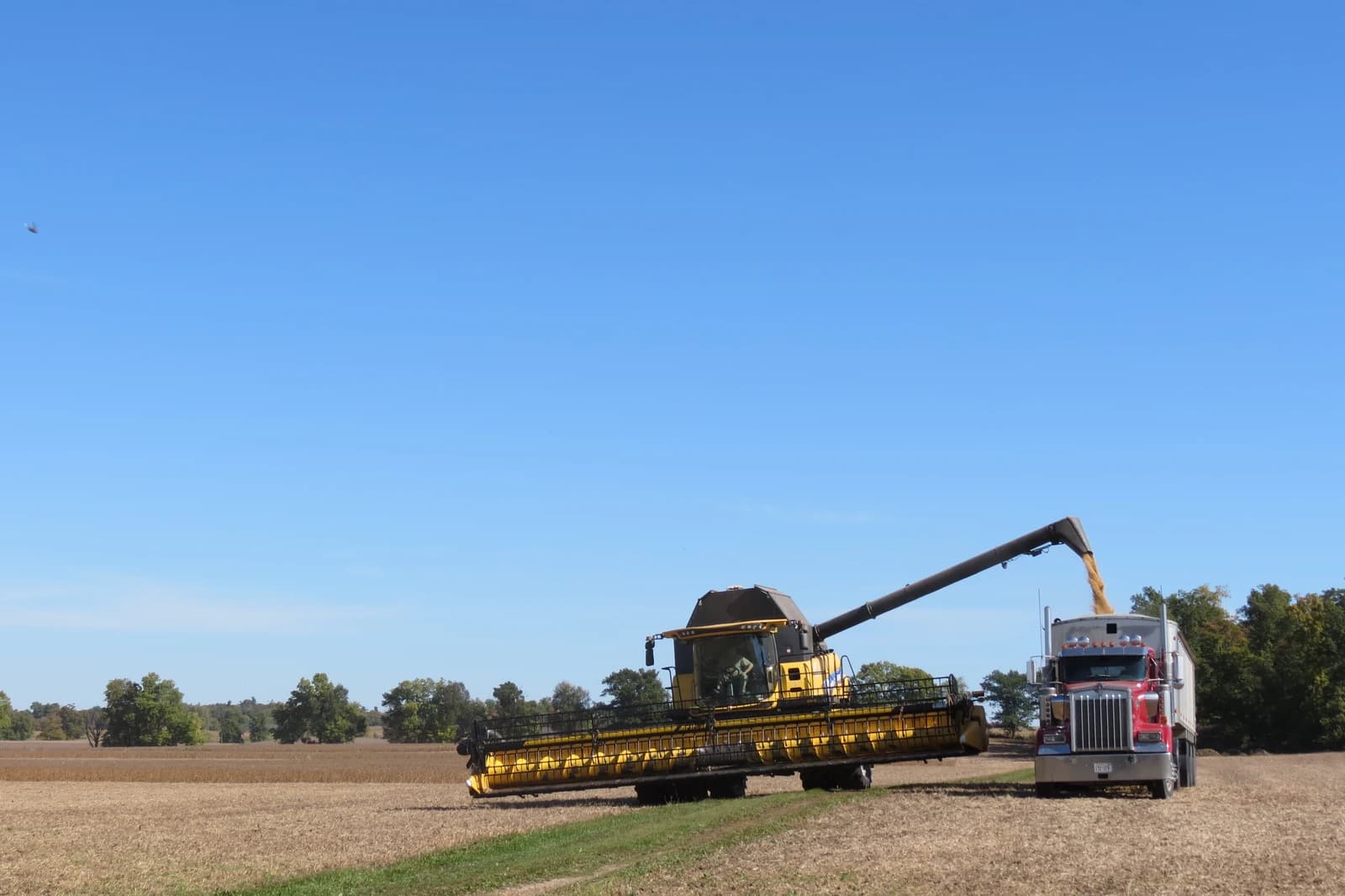
For Ukraine, the pressure is immediate. The country has harvested 5.363 million tons of corn from 20% of the area, with average yield at 5.88 tons per hectare, above last year’s 5.49 tons. Yet export momentum has slowed sharply in the near term: shipments in the first 19 days of October totaled 138,000 tons, down from 356,000 tons in the same period last year. Seasonal exports remain ahead of last year at 2.06 million tons, but that is largely because of stronger loadings in July and August, not because the current market is tight.
The price decline is being reinforced by harvest progress in the United States, where 44% of corn acreage has been cut, even though that remains below the five-year average of 52%. In Europe, the outlook is mixed but still price-negative in the short run: the EU corn crop forecast was trimmed to 44.9 million tons, the lowest in 36 years, yet futures still fell as traders focus on near-term availability and international competition rather than the longer-term shortage narrative.
That matters for investors because grain markets are now distinguishing between structural and cyclical supply. Ukraine remains a critical export corridor for global feed grain buyers, especially in Europe, but lower port bids show how quickly farmer economics can deteriorate when U.S. and Brazilian supply is available and logistics are not providing a premium. In Ukraine, corn offers in Danube ports fell by $10 to $150-$158 a ton, while western terminals are quoting $160-$165. Those levels point to margin compression for producers and traders, and potentially weaker cash flow for agribusinesses tied to the export chain.
Weather is adding another layer of uncertainty. Rain has slowed fieldwork in Ukraine, and some farmers are considering delaying harvest until spring, which could further disrupt logistics and quality. A drier, warmer forecast may speed up field operations, but the broader takeaway is that harvest timing, transport constraints and global competition will determine whether prices stabilize or slide further.
The market is already telegraphing caution. Corn-linked funds and broad agricultural baskets are under pressure, and the combination of rising physical supply, softer export pacing and aggressive competition from the U.S. and Brazil argues for continued volatility rather than an easy rebound. The best positioning here is to favor the winners from lower grain prices — livestock feeders, food processors and transport-sensitive importers — while staying wary of exporters and producers exposed to spot pricing. If harvests accelerate and global demand does not absorb the extra tonnage quickly, Ukraine’s corn crop may grow larger while returns shrink further.
| Entity | Gains | Losses |
|---|---|---|
| Livestock feeders | ▲cheaper feed input | ▼crop growers’ margins |
| Corn importers | ▲lower procurement costs | ▼exporters’ pricing power |
| Ukrainian farmers | ▲larger yields | ▼weaker farmgate prices |
| U.S./Brazil exporters | ▲market share opportunities | ▼smaller rival premiums |