Ukraine’s push to move corn westward through Hungary matters because it keeps a key export channel open at a time when Russian attacks have again complicated Black Sea shipments and left Kyiv searching for overland routes to Europe.
Ukraine corn transit through Hungary stays open

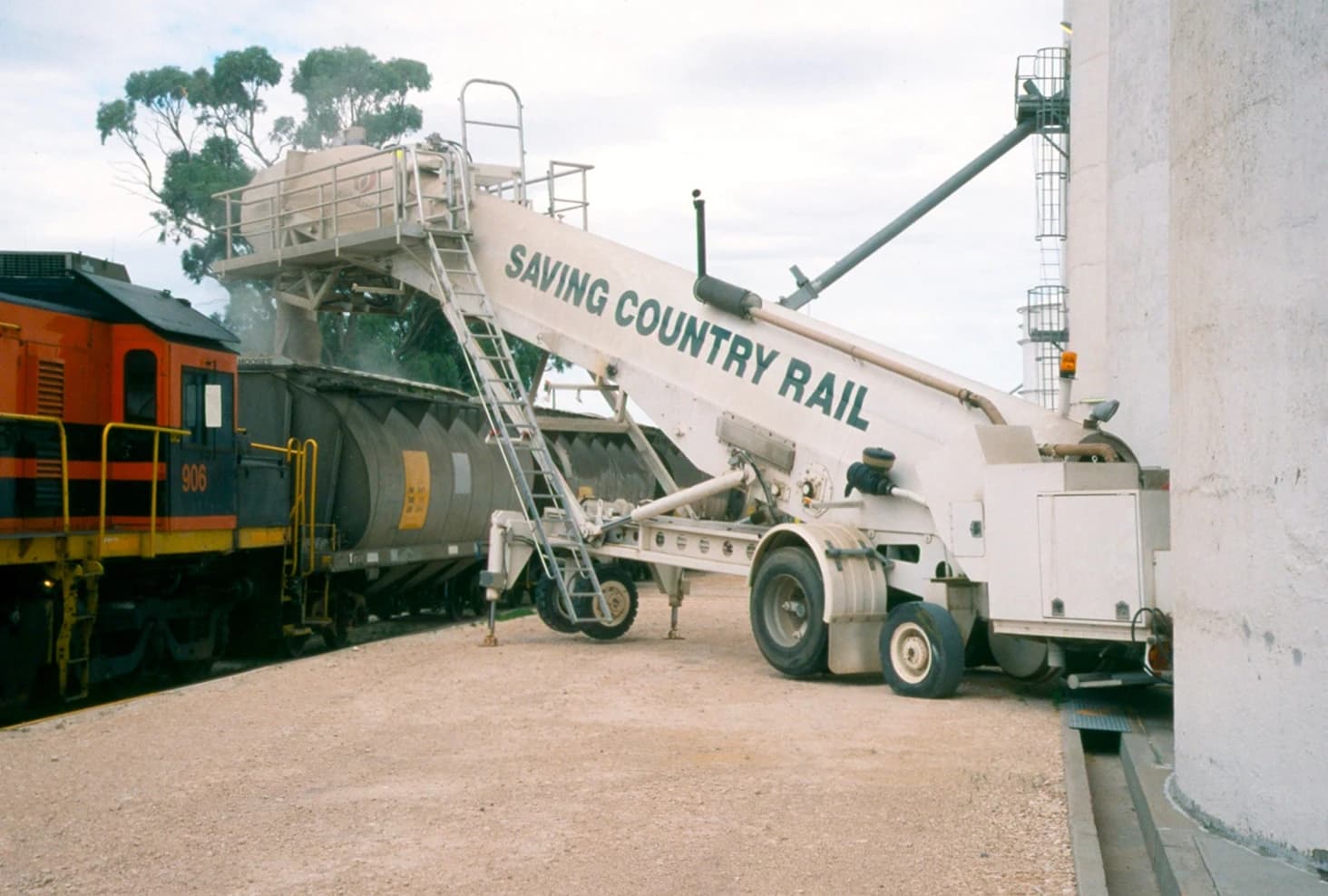
Péter Magyar said after a one-on-one meeting with Volodymyr Zelensky in Brussels that the Ukrainian president asked regional countries, including Hungary, for the kind of logistics support they provided early in the war, with sealed wagons carrying corn by rail to Western Europe. Magyar said Hungary would not stand in the way if the goods were merely transiting the country.
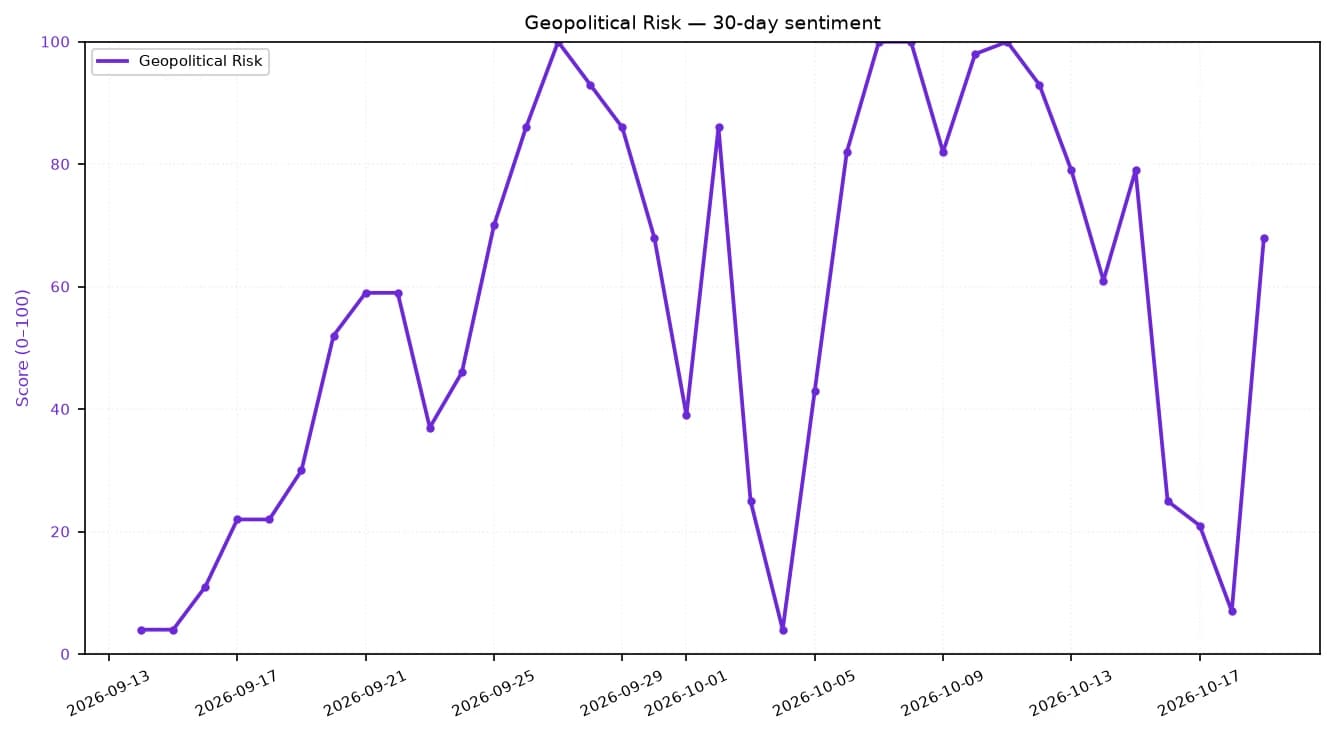
Sentiment IndicatorsⓘProprietary · adalytica.com · October 20, 2026
This is a snapshot — live sentiment, awareness and momentum for 130+ markets update continuously in the dashboard.Open AlphaPulse
That may sound procedural, but it has economic consequences well beyond the railway line. Ukraine is one of the world’s largest grain exporters, and every constraint on its ability to move corn tightens supply chains, raises transport costs and adds volatility to European feed markets. In a drought-hit year across parts of Europe, reliable transit from Ukraine also matters for food processors, livestock producers and traders trying to secure predictable flows into the bloc.
The issue is politically sensitive in Hungary because a broad import ban has been defended as protection for local farmers, even as critics say it has lost most of its effectiveness after three years. According to the Hungarian-language report, the measure has not kept grain prices down or shielded farmers, while creating disadvantages for Hungarian food processing, customs handling and logistics at an EU level. That sets up a split between domestic producers worried about competition and transport operators, traders and processors that benefit from resumed cross-border flows.
For investors, the more immediate read is on agricultural commodities and logistics rather than on politics alone. Chicago wheat and corn contracts have already been trading with elevated sensitivity to weather, export logistics and war-related supply interruptions. Standard technical indicators on the Teucrium corn fund and wheat fund show both markets have recently eased from earlier overbought readings, but they remain above longer-term trend levels, suggesting traders are still pricing in supply risk. Any sustained opening of overland routes for Ukrainian grain would ease some of that pressure, even if it does not resolve the broader export problem.
The broader takeaway is that Europe’s grain market is still being shaped by the war’s logistics map as much as by harvests. If Hungary follows through, it would reinforce a corridor that helps Ukraine preserve foreign-currency earnings and gives western buyers another route to source grain. If political friction returns, the market will have to continue pricing a narrower, more fragile export system.
| Entity | Gains | Losses |
|---|---|---|
| Ukraine grain exporters | ▲Restored transit access | ▼Black Sea export bottlenecks |
| Hungarian logistics and rail operators | ▲Transit volumes | ▼Lost trade if ban persists |
| Hungarian farmers | ▲Protection from direct imports | ▼Lower leverage on prices |
| European buyers and feed users | ▲Better supply access | ▼Higher freight and scarcity costs |