Moldova’s rapeseed exporters earned a record 2.69 billion lei in the first three months of the 2026 season as a surge in September shipments and a sharp rise in prices lifted revenues far more than volumes.
Moldova Rapeseed Exports Hit Record 2.69 Billion Lei
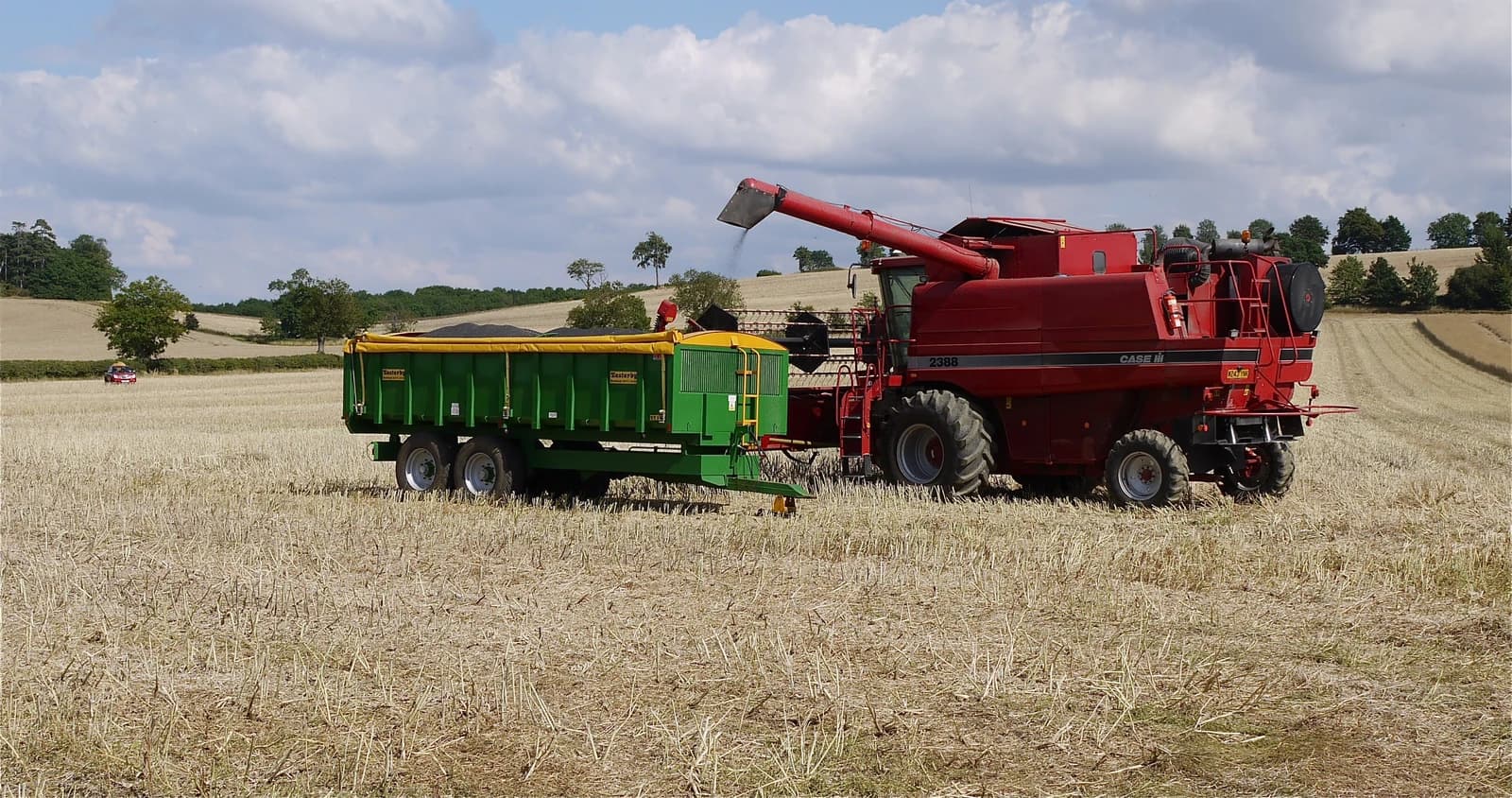
The average export price climbed 15.9% from a year earlier to 10.37 lei a kilogram, the highest level for the start of the trading season since 2022, while export volume edged up just 0.5% to 259,000 tons. That gap matters because it shows the revenue boost came mainly from market pricing, not a larger harvest or a sustained step-up in physical trade.
Sentiment IndicatorsⓘProprietary · adalytica.com · October 18, 2026
This is a snapshot — live sentiment, awareness and momentum for 130+ markets update continuously in the dashboard.Open AlphaPulse
For Moldova’s farm economy, the higher pricing is a short-term windfall. Rapeseed is one of the country’s most valuable oilseed crops, used for vegetable oil, biodiesel and animal feed, and the export data suggest producers are benefiting from firmer demand on European markets. At the same time, the report points to an important caveat: about 80% of deals include freight and insurance to destinations in Romania, especially Constanta and Slobozia, so part of the higher export value reflects more expensive logistics rather than a pure increase in farmgate prices.
September was the standout month. Moldova shipped 68,100 tons of rapeseed, 2.4 times more than in September 2025 and above the previous September record set in 2023. That put September at about 26% of the season’s first-quarter total, suggesting exporters were clearing a backlog after early-season logistical disruptions. The stronger flow also came with more stable pricing: unlike 2025, when average export prices softened through the quarter, 2026 prices held in a narrow 10.1-10.6 lei range.
The trade remains highly concentrated. RUSAGRO-PRIM accounted for 71,300 tons, or roughly 28% of exports, while OROM-IMEXPO, VADALEX GRAINS and CARVIDON-TRADE together lifted the top four firms’ share above 60%. Romania remained the dominant destination, taking 240,100 tons, or 92.7% of shipments, underscoring Moldova’s dependence on a single regional outlet and on routes that feed into the broader EU oilseed supply chain.
The logistics shift is just as telling as the price move. Waterborne transport rose from 35% of shipments in July to 60% in September, while road haulage fell to 38%. That transition matters for margins and throughput: if river and port capacity remains available, exporters can keep volumes moving more efficiently. If not, the season’s pricing gains could be eroded by freight bottlenecks, leaving producers with less benefit than the headline export value implies.
For investors watching agribusiness, the story is less about a one-off monthly spike than about how Moldova’s rapeseed trade is being pulled by higher European prices, tighter logistics and concentrated export channels. That combination supports revenues for merchants and growers now, but it also leaves the market exposed to any reversal in EU demand, transport costs or access through Romania.
| Entity | Gains | Losses |
|---|---|---|
| Moldovan rapeseed exporters | ▲Higher export revenue | ▼Greater logistics dependence |
| Farmers/producers | ▲Firmer market prices | ▼Limited pass-through from freight costs |
| Romanian buyers/route hubs | ▲Larger trade flows | ▼Risk of congestion and higher transport costs |
| Road hauliers | ▲— | ▼Lower share of shipments |