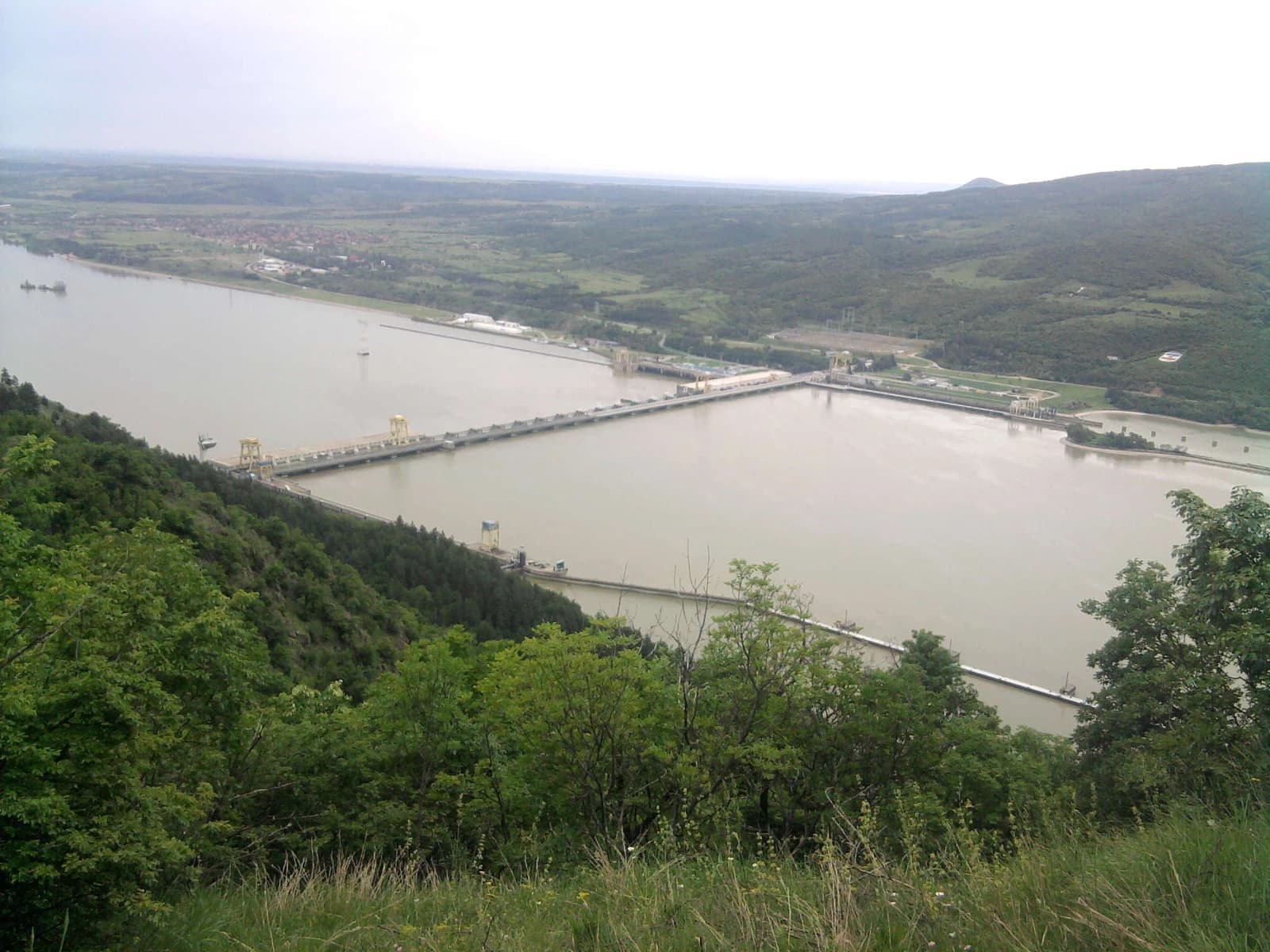
Romania is heading into an electricity price shock as the prolonged shutdown of both reactors at the Cernavodă nuclear plant forces the country to buy expensive power from regional markets at exactly the wrong moment for households, factories and suppliers.
Romania Cernavodă outage lifts power import costs
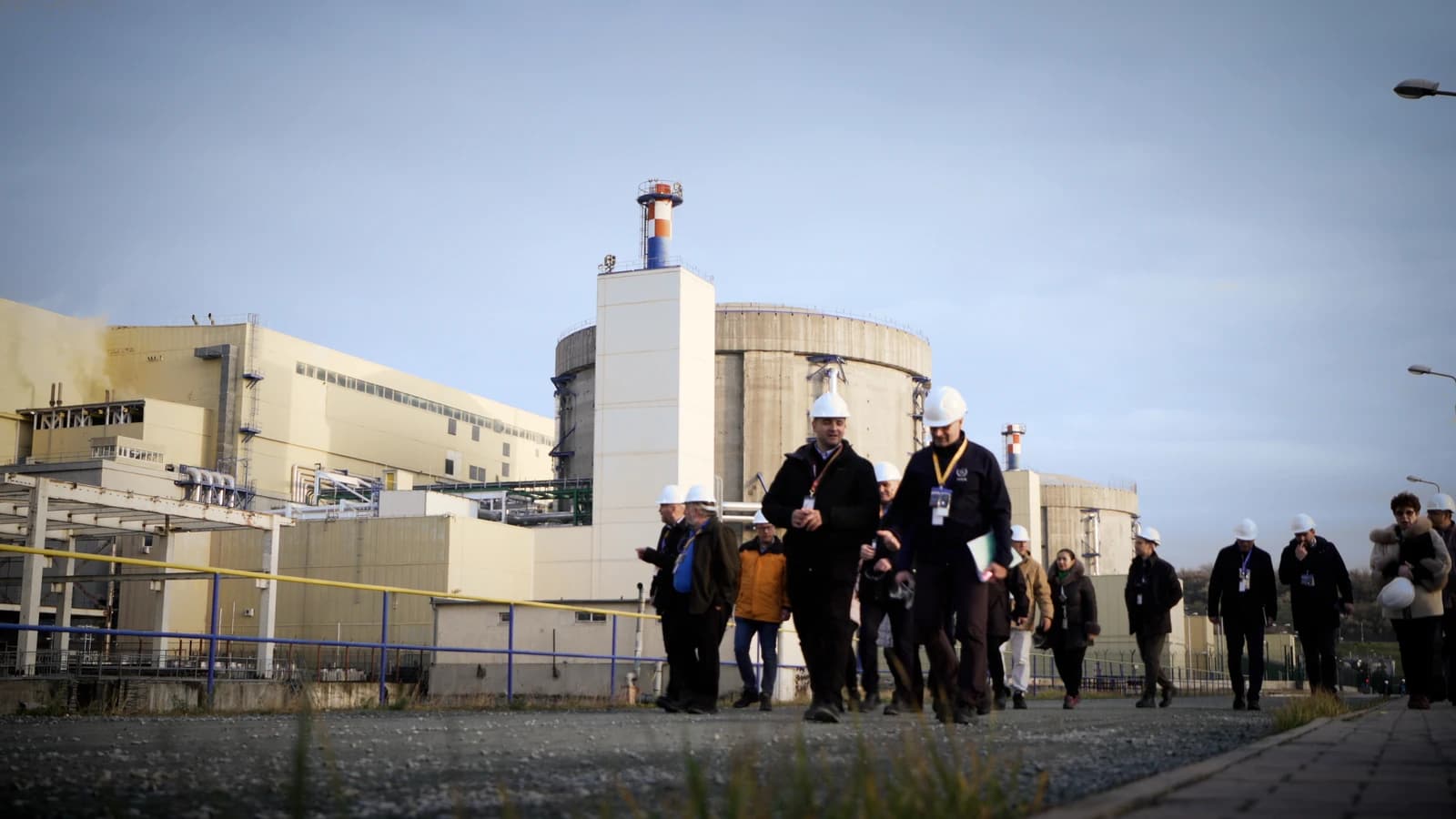
That is the real market-moving story here: not a feared 50% jump, which officials are downplaying, but a confirmed and potentially material rise in utility bills driven by a domestic supply failure colliding with record European energy prices. For an economy still sensitive to inflation, the timing could not be worse. Higher power costs feed straight into household budgets, industrial margins and, eventually, broader consumer prices.
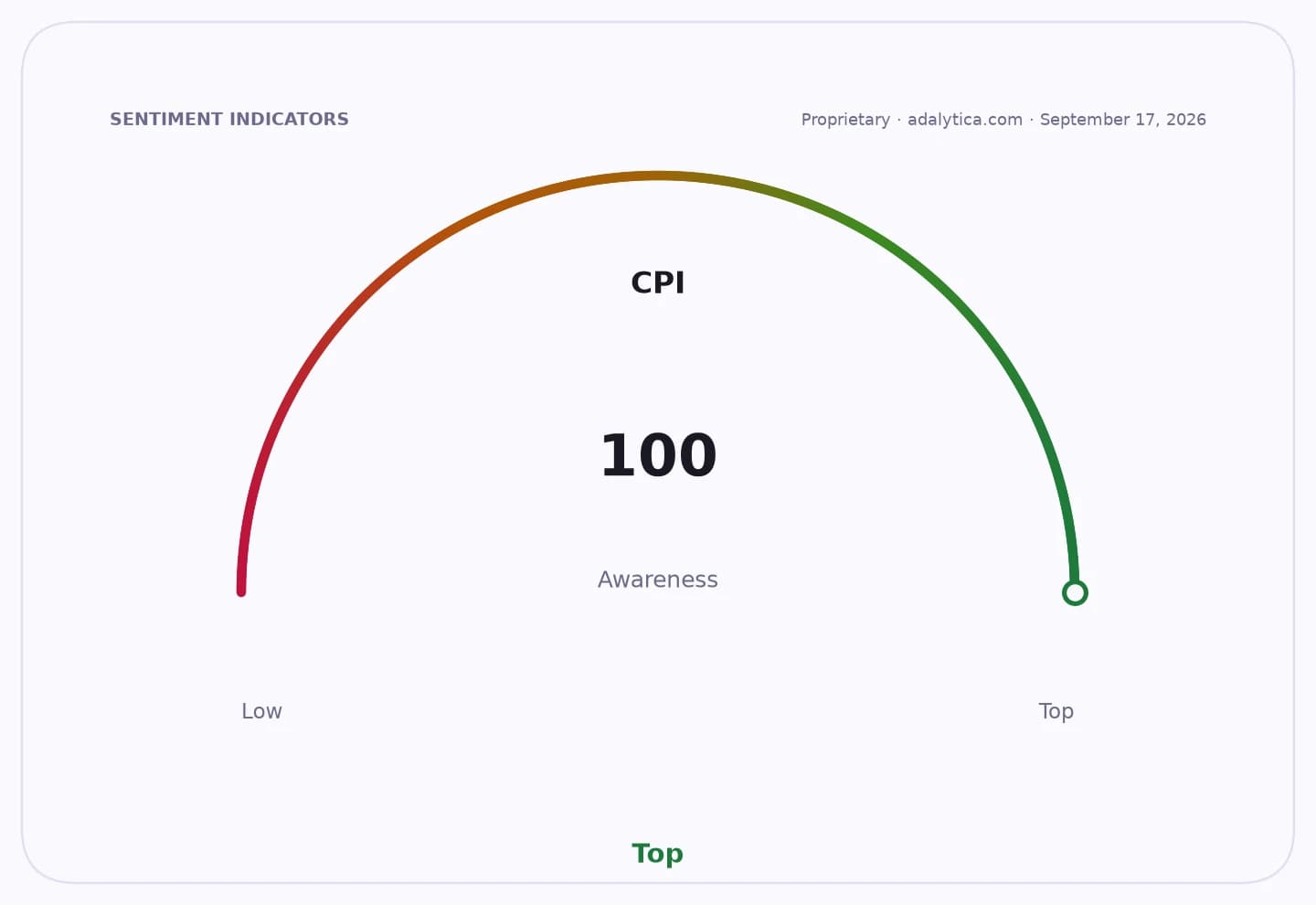
Sentiment IndicatorsⓘProprietary · adalytica.com · October 8, 2026
This is a snapshot — live sentiment, awareness and momentum for 130+ markets update continuously in the dashboard.Open AlphaPulse

Cristian Bușoi, the state secretary in Romania’s energy ministry, said the authorities do not have data showing a 50% surge, but acknowledged that bills will rise “significantly.” He also admitted the supply disruption is lasting longer than planned. The ministry had hoped to restart the Cernavodă units by mid-October, but now says that is unlikely before the second half of the month, if then.
The supply gap is large enough to matter. Bușoi said roughly 900 MW of contracts tied to Nuclearelectrica will have to be replaced by power bought on the day-ahead market and, during peak hours, from neighboring countries, especially Bulgaria. In those periods, he said, prices can be “double” what they would have been had the nuclear plant been running. Romania imported a record 3,500 MW on Saturday, close to its 4,000 MW import capacity, underscoring how tight the system has become.
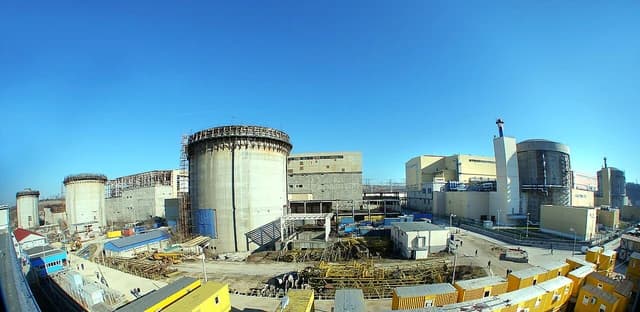
This is where the economic risk broadens. Emergency imports are not just a temporary inconvenience; they are a transfer of wealth out of the country at a time when the government is trying to contain energy inflation and preserve industrial competitiveness. The ministry is already preparing a fallback legal framework for October and is leaning on regulators and grid operator Transelectrica to accelerate approvals for battery storage and other capacity. It is also banking on Iernut entering production in the first quarter of next year, a project that now looks more important than ever.
For investors, the message is straightforward: Romania’s power deficit is a tailwind for regional generators, traders and flexible supply assets, while it is a headwind for domestic consumers, energy-intensive industry and any supplier exposed to wholesale replacement costs. Utilities with generation and cross-border trading optionality stand to benefit from volatile spreads. Retail suppliers without hedges do not. The longer Cernavodă stays offline, the more the market must price in sustained stress rather than a one-off disruption.
That backdrop helps explain why the energy complex remains a trading theme well beyond Romania. In this environment, the winners are the companies that can produce, store or move power when the grid cannot, and the losers are the buyers forced to chase it on the spot market. If Cernavodă’s outage extends into mid-October and beyond, the market is likely to keep rewarding capacity, grid flexibility and regional interconnection while punishing exposure to imported peak power.
| Entity | Gains | Losses |
|---|---|---|
| Regional power traders | ▲Wider spreads, emergency demand | ▼— |
| Flexible generators / exporters | ▲Higher spot prices | ▼— |
| Romanian households | ▲— | ▼Higher utility bills |
| Romanian industry | ▲— | ▼Margin pressure, higher input costs |