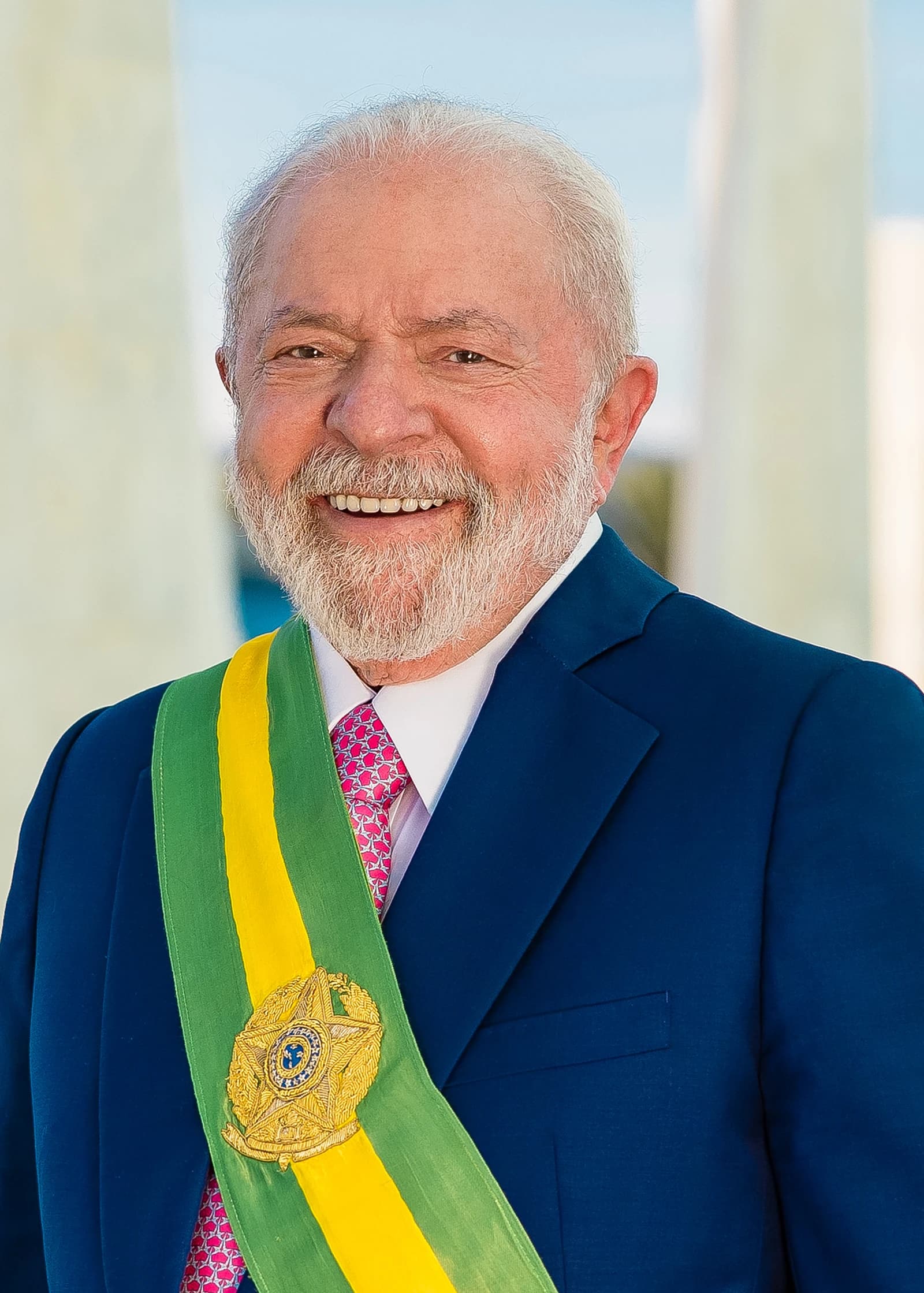
Brazilian President Luiz Inácio Lula da Silva is set to turn Sunday’s Independence Day address into a sharper defense of economic sovereignty, using critical minerals, oil in the Equatorial Margin and free trade as the core of a message that also serves as a veiled rebuke to the United States.
Brazil Lula speech on minerals, oil and trade
That matters because Brazil is signaling it intends to control how it develops strategic resources and chooses trading partners at a time when Washington’s 25% and 12.5% tariffs on Brazilian goods have already raised the cost of bilateral friction. For investors, the speech is less about rhetoric than about whether Brazil is preparing a more assertive policy posture around commodities, energy and trade exposure — themes that can move Petrobras, Vale and the real.
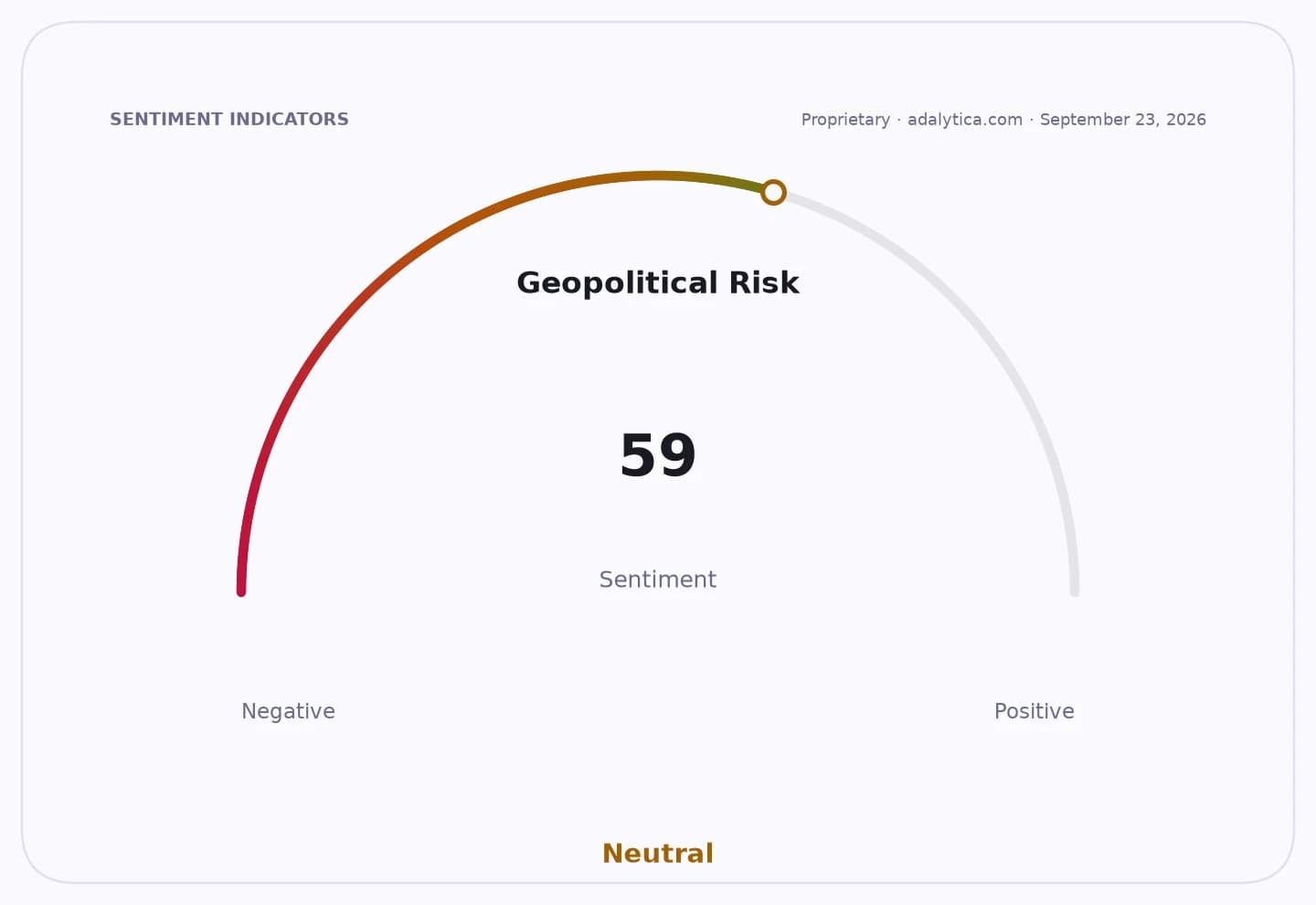
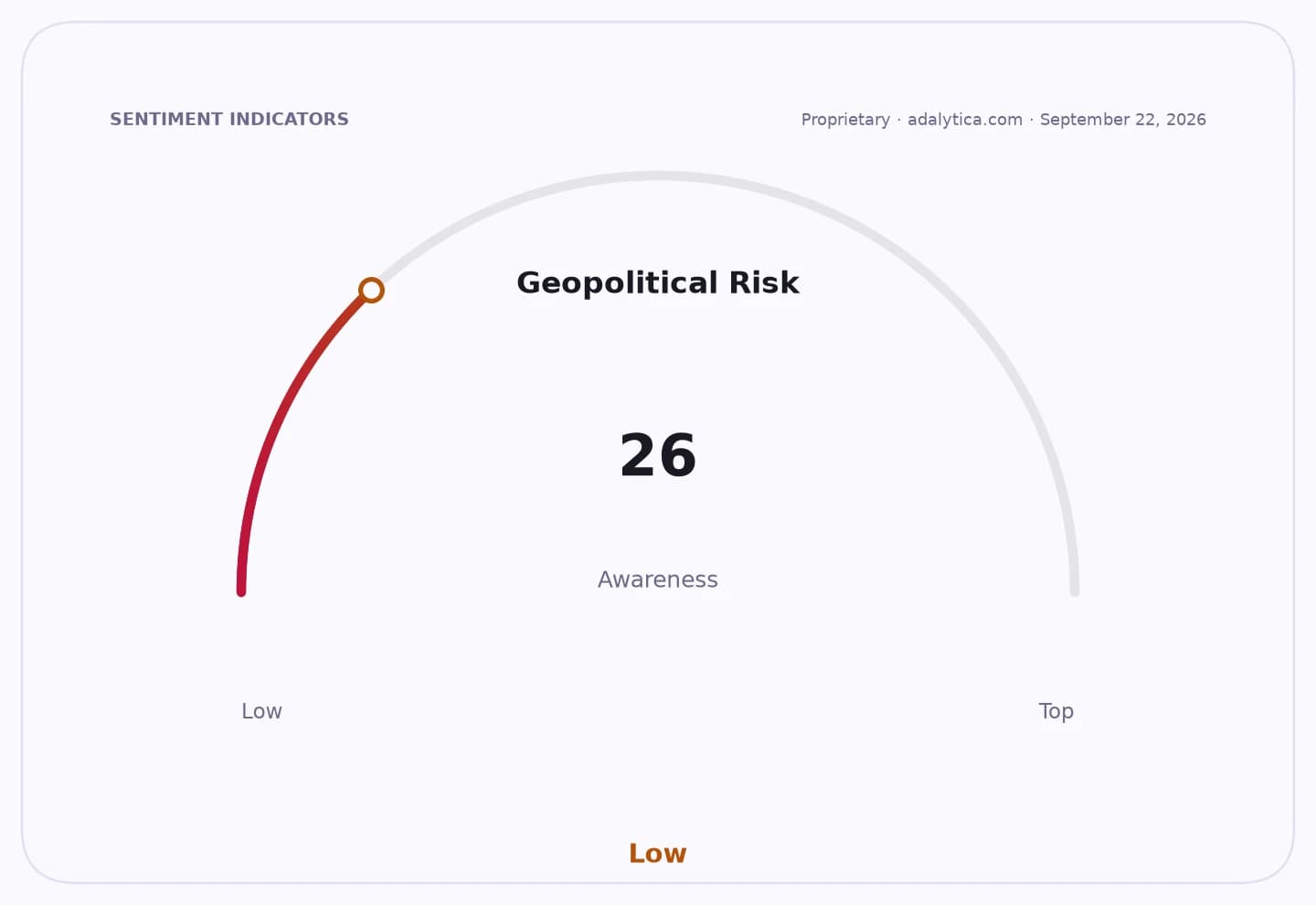
Sentiment IndicatorsⓘProprietary · adalytica.com · September 5, 2026
This is a snapshot — live sentiment, awareness and momentum for 130+ markets update continuously in the dashboard.Open AlphaPulse

Lula’s remarks are expected to link sovereignty with economic development, arguing that Brazil should not be treated as a supplier that others can direct from abroad. The president is also expected to present the country’s mineral base as a lever for jobs and industrial growth, while casting Brazil as both a steward of the environment and a future player in the energy transition.
The focus on critical minerals is particularly relevant for global supply chains. Demand for metals such as nickel, copper and rare earths has become strategically important as governments seek to diversify away from concentrated supply routes, especially from China. Brazil’s scale gives it leverage, but it also raises the stakes for how quickly projects can be permitted, financed and brought into production. Any hint that the government will favor domestic control or tougher conditions on foreign buyers would matter for miners and processors.
The Equatorial Margin is a more immediate market issue for Petrobras. The offshore frontier is viewed as one of Brazil’s most promising oil plays, but it sits at the intersection of exploration ambition and environmental scrutiny. Lula’s decision to publicly defend development there reinforces the government’s support for the resource, even as licensing and ecological concerns remain obstacles. For Petrobras, that keeps alive the prospect of longer-term reserve replacement, but it also leaves the company exposed to political pressure, regulatory delays and ESG objections.
The speech also underscores the continued strain in Brazil-US ties after the tariff move in July. Lula is unlikely to name Washington directly, but his defense of free trade and Brazil’s right to choose its partners is a clear political response. That puts the two countries on a potentially longer negotiation track, while reducing the chance of an immediate thaw. For markets, the risk is not only trade disruption but also broader policy spillover into commodity flows, investment decisions and currency volatility.
Brazil’s exchange rate and equity market have already reflected a degree of tension around external shocks and domestic policy. Petrobras shares and Vale’s stock have both been sensitive to the sovereign and commodity backdrop, while the real remains vulnerable to shifts in trade sentiment and risk appetite. With the currency near 5.12 per dollar in recent trading, investors will watch whether the speech deepens concern about policy confrontation or instead reassures markets that Brazil will defend trade openness even as it asserts control over strategic assets.
The bull case is that Lula is simply reinforcing a familiar nationalist message ahead of a symbolic date, without changing the investment climate. The bear case is that sovereignty rhetoric foreshadows more friction with the US, slower foreign participation in strategic sectors and a more interventionist stance toward natural resources. Either way, the address puts Brazil’s commodity endowment and trade strategy back at the center of the investment story.
What happens next will depend on whether Brasília follows the speech with concrete policy moves on mining, offshore exploration or trade retaliation. Until then, investors are likely to treat the address as a signal that Brazil wants the upside from its natural wealth, but on terms set in Brasília, not Washington.
| Entity | Gains | Losses |
|---|---|---|
| Brazil government | ▲Political sovereignty narrative | ▼Trade policy flexibility |
| Petrobras | ▲Support for Equatorial Margin exploration | ▼Regulatory and ESG certainty |
| Vale and miners | ▲Strategic minerals spotlight | ▼Risk of tighter state control |
| US exporters to Brazil | ▲— | ▼Higher tariff/friction risk |