Brixmor Property Group is pointing to a multiyear rent-growth runway as expiring anchor leases at about $11 a square foot get reset in the mid-to-upper teens, a spread that could keep cash flow climbing even after the latest quarter’s rally in the stock.
Brixmor Property Group sees rent resets drive growth
That setup matters because Brixmor’s suburban shopping centers are still tight enough to give the landlord pricing power. On its third-quarter call, the company lifted full-year guidance after increasing funds from operations 7% from a year earlier, underscoring that higher rents, not just asset sales or acquisitions, are driving results.
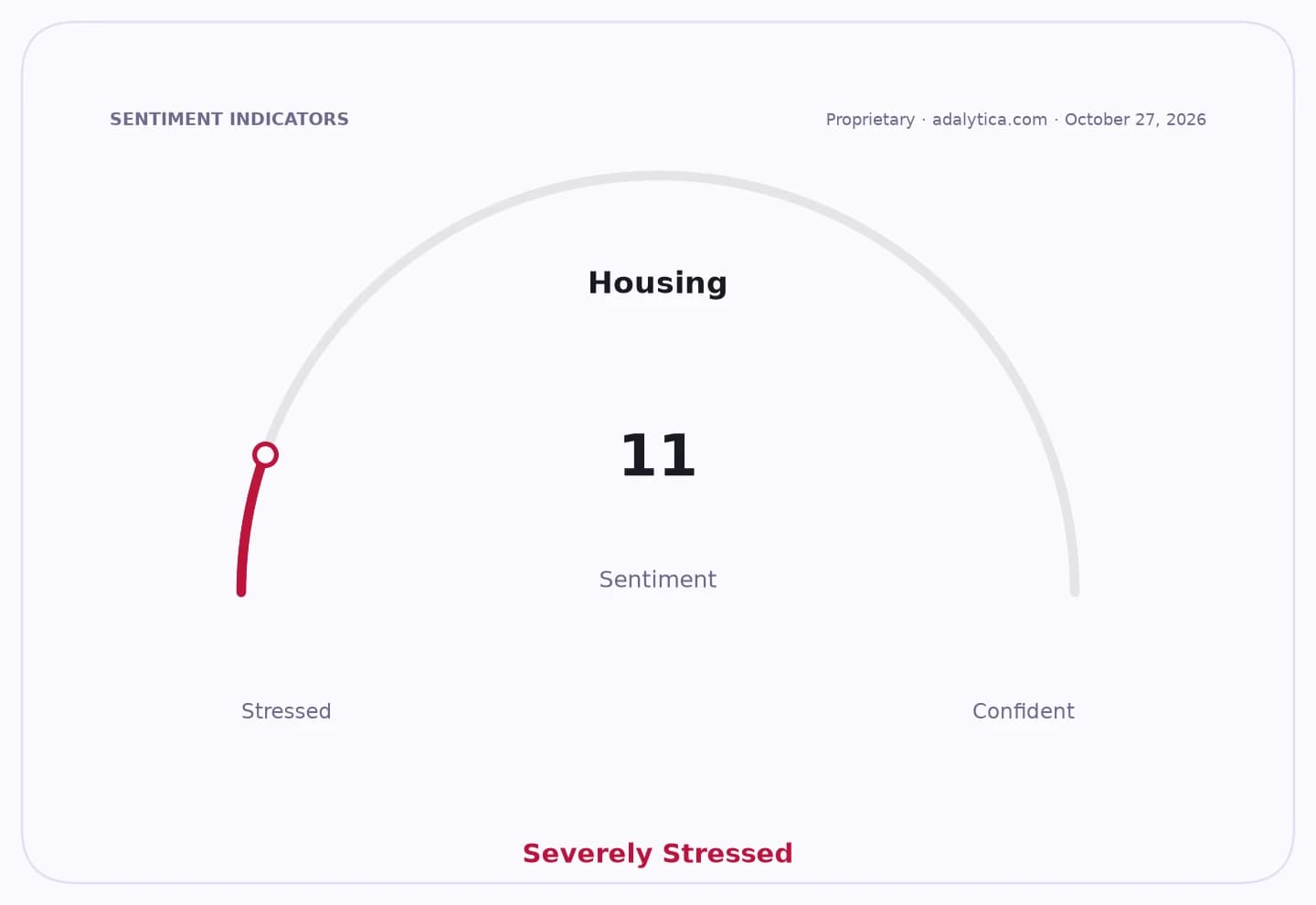
Sentiment Indicators
Management said new lease spreads reached 43%, with anchor spreads above 70% and renewal spreads topping 19%. In practical terms, that means tenants are signing at materially higher rents than the leases they replace, a dynamic that can expand same-store net operating income and support dividend capacity for a real estate investment trust.
The rent-reset opportunity looks especially compelling in 2027, when anchor leases without options average roughly $11 per square foot versus new and renewal leases in the mid-to-upper teens, according to Chief Financial Officer Steven Gallagher. Brixmor also said about $55 million of rent is expected to commence in 2026, followed by another $48 million in 2027 from signed but not yet started leases, giving investors visibility into revenue growth.
The company is not relying solely on leasing. It has a $322 million active pipeline of outparcel projects expected to earn about a 10% return, a level that compares favorably with many property yields and should help offset any moderation in external growth. Brixmor also reported $1.5 billion of liquidity, including $183 million of cash and $1.25 billion of revolver availability, which helps fund redevelopment while it moves ahead with asset sales tied to its pending Slate transaction.
Shares have already responded to the improving operating picture, with Brixmor trading around $30.30 on recent sessions, above both its 50-day and 200-day moving averages. Rival shopping-center landlords also remain firm, with Regency Centers and Federal Realty Investment Trust near multi-month highs, suggesting investors are still rewarding open-air retail owners that can push through rent increases.
For long-term holders, the key question is how long Brixmor can keep translating limited vacancy and tenant demand into double-digit rent spreads. The next catalyst is execution on the 2027 lease rollover and whether the company can keep converting that embedded rent gap into higher FFO.
| Entity | Gains | Losses |
|---|---|---|
| Brixmor | ▲Higher rents, FFO growth | ▼Pressure to execute redevelopments |
| Existing tenants | ▲Lease renewal certainty | ▼Higher occupancy costs |
| Long-term shareholders | ▲Dividend and cash-flow upside | ▼Slower growth if spreads compress |
| Competing retail landlords | ▲Sector validation | ▼Less pricing advantage if Brixmor wins tenants |