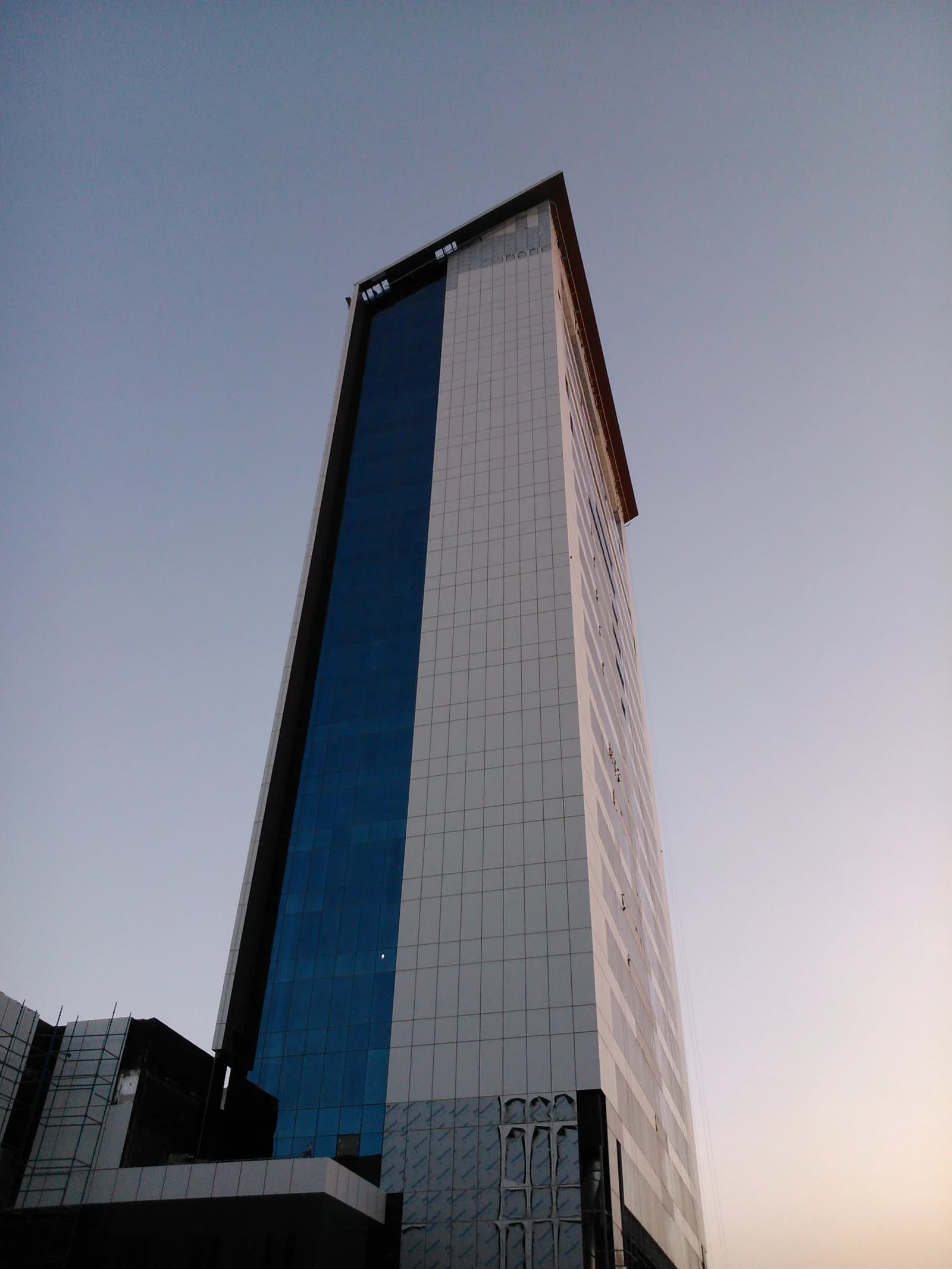
Brookfield India REIT has agreed to buy office units in Mumbai’s Powai business district for Rs 75.2 crore, a small but strategically important deal that lifts its ownership in the Delphi building to 86% and reinforces the trust’s push to consolidate high-quality income-producing assets.
Brookfield India REIT Buys Powai Office Units
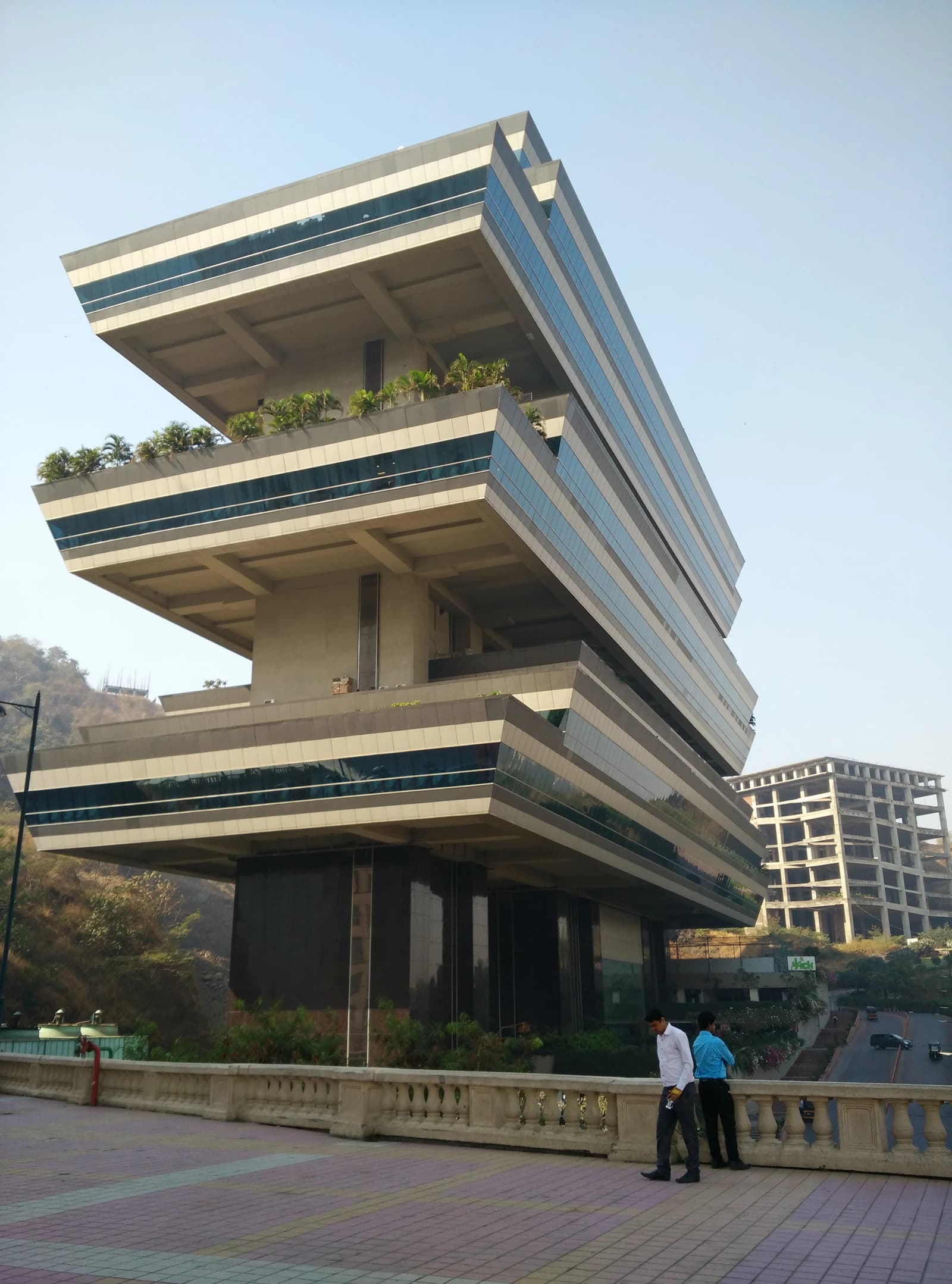
The purchase, made through Kairos from an unrelated third party, covers units 501 to 503 and 601 to 604 on the fifth and sixth floors of the C wing at Hiranandani Gardens, part of the larger Downtown Powai township. Brookfield said the transaction is expected to close in the third quarter of FY2026-27, subject to the terms of the agreement.
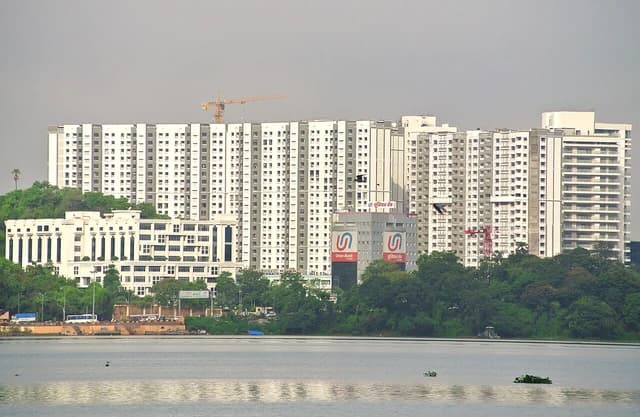
For a listed office REIT, the value is less about the ticket size than the incremental control. Raising the stake in Delphi from 80% to 86% on a gross leased area basis gives Brookfield India REIT more influence over a prime commercial asset in one of Mumbai’s established office micro-markets. In a sector where rental income, occupancy and asset quality drive distribution stability, even modest acquisitions can improve portfolio cohesion and reduce fragmentation in ownership.
The deal also fits a broader pattern in India’s office REIT market, where trusts are using selective acquisitions and capital-market access to deepen exposure to institutional-grade buildings. That backdrop has become more supportive as investor interest in REITs has strengthened, helped by greater regulatory clarity and a growing acceptance of real estate as an income asset class. Embassy REIT’s recent Rs 1,000 crore bank financing at the trust level underlined how financing options for the sector are widening, potentially lowering funding risk for well-placed owners.

Powai remains a sought-after corporate location because of its mixed-use infrastructure and access to talent pools in Mumbai’s eastern suburbs. For Brookfield, consolidating ownership there could make future leasing, capital expenditure and asset management decisions more efficient, while supporting steadier cash flows. The downside is that such purchases are still dependent on execution and market conditions, and REITs must balance growth against dilution, leverage and acquisition discipline.
For investors, the key question is whether Brookfield can continue to add selectively without stretching its balance sheet or chasing assets at the wrong point in the cycle. The Powai acquisition suggests management remains focused on building scale through targeted buys in core locations, a strategy that supports distribution visibility if office demand and rental renewals remain resilient.
| Entity | Gains | Losses |
|---|---|---|
| Brookfield India REIT | ▲Higher control of Delphi asset | ▼Higher capital commitment |
| Existing unitholders | ▲Better portfolio cohesion | ▼Execution and leverage risk |
| Powai office market | ▲Validation of demand | ▼Less free float of assets |
| Competing office owners | ▲Benchmark for asset quality | ▼Harder competition for prime space |