New World Development’s approval to launch a 3.82 billion yuan, or about $570 million, Shanghai REIT is a crucial liquidity move for one of Hong Kong’s most indebted developers and a sign that capital is still available for asset-backed restructurings in China’s battered property market.
New World Development Gets Shanghai REIT Approval
The offering matters because New World is not raising money for expansion; it is raising money to refinance debt and shore up liquidity after a prolonged squeeze in Hong Kong real estate. In a market where balance-sheet stress has become the dominant theme, the ability to recycle a core office asset into a listed vehicle is one of the few tools left for developers trying to keep financing channels open.
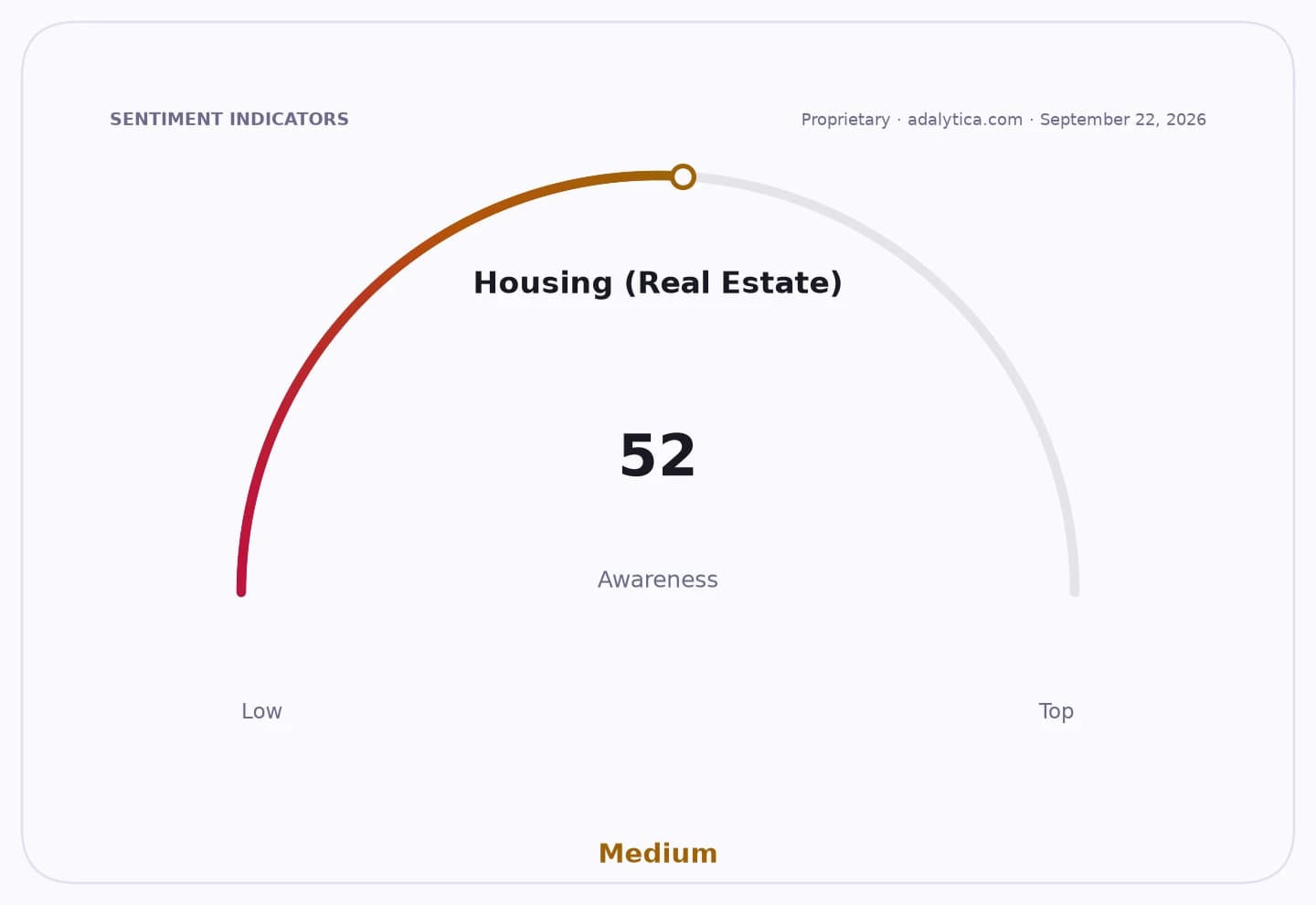
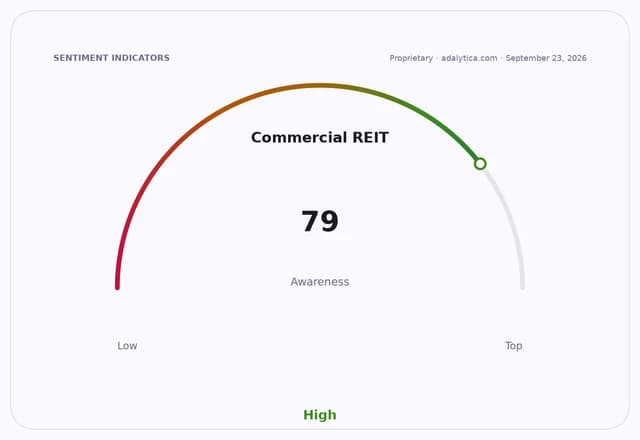
Sentiment IndicatorsⓘProprietary · adalytica.com · September 23, 2026
This is a snapshot — live sentiment, awareness and momentum for 130+ markets update continuously in the dashboard.Open AlphaPulse
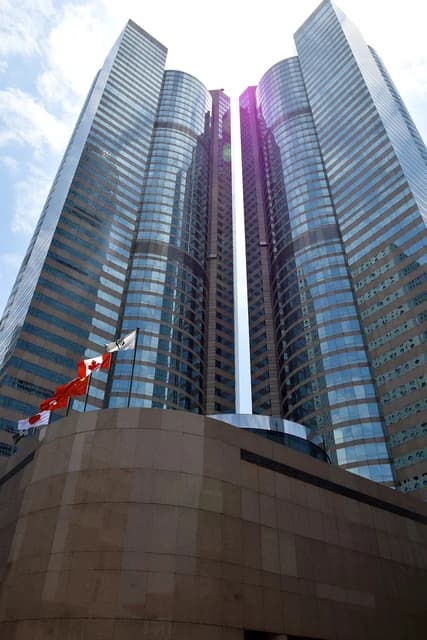
Under the plan, New World expects to place 80% of the REIT units with external investors and retain a 20% stake, while selling the holding company of Shanghai Hong Kong New World Tower to the vehicle for 4.01 billion yuan. The company expects net proceeds of 3.24 billion yuan from the asset sale and the retained REIT stake, a meaningful amount for a developer that has been under pressure to strengthen cash flow and reduce leverage.
The transaction also underscores a broader shift in how distressed property owners are trying to survive. Rather than relying on fresh bank loans or expensive bond funding, developers are increasingly being forced to monetize trophy assets and turn them into income-producing vehicles that can attract yield-hungry buyers. That is bad news for owners clinging to the old model of ever-rising leverage, but potentially attractive for investors looking for hard assets with contractual cash flows in a market starved of confidence.
For New World, the deal is especially important after Bloomberg reported in May that Blackstone walked away from a proposed $4 billion tie-up when the developer refused to cede control. That failed transaction left New World with fewer obvious options, making the Shanghai REIT approval more than a routine corporate event — it is evidence the company is still finding ways to unlock capital without surrendering control of its assets.
Investors should read this as a sign that the property reset in Greater China is far from over. Developers with recognizable assets and the willingness to sell partial stakes may be able to survive longer than the market expects, while those with weaker portfolios or less flexibility could be pushed into harsher restructurings. The opportunity, in our view, is less in the distressed developers themselves and more in the capital structures, listed vehicles and firms that can buy stabilized assets at a discount.
The next catalyst will be execution: whether New World can place the REIT smoothly, how much demand comes from external investors, and whether the deal becomes a template for more capital-raising across the sector. If it does, Shanghai’s REIT market could become a quiet but important financing outlet for stressed property owners — and a place where patient investors can pick up income streams that the broader market has already priced for failure.
| Entity | Gains | Losses |
|---|---|---|
| New World Development | ▲Liquidity relief | ▼Balance-sheet control |
| REIT investors | ▲Income-backed exposure | ▼Property-sector risk |
| Shanghai REIT market | ▲New deal flow | ▼Pricing scrutiny |
| Hong Kong property holders | ▲Funding template | ▼Asset fire-sale pressure |