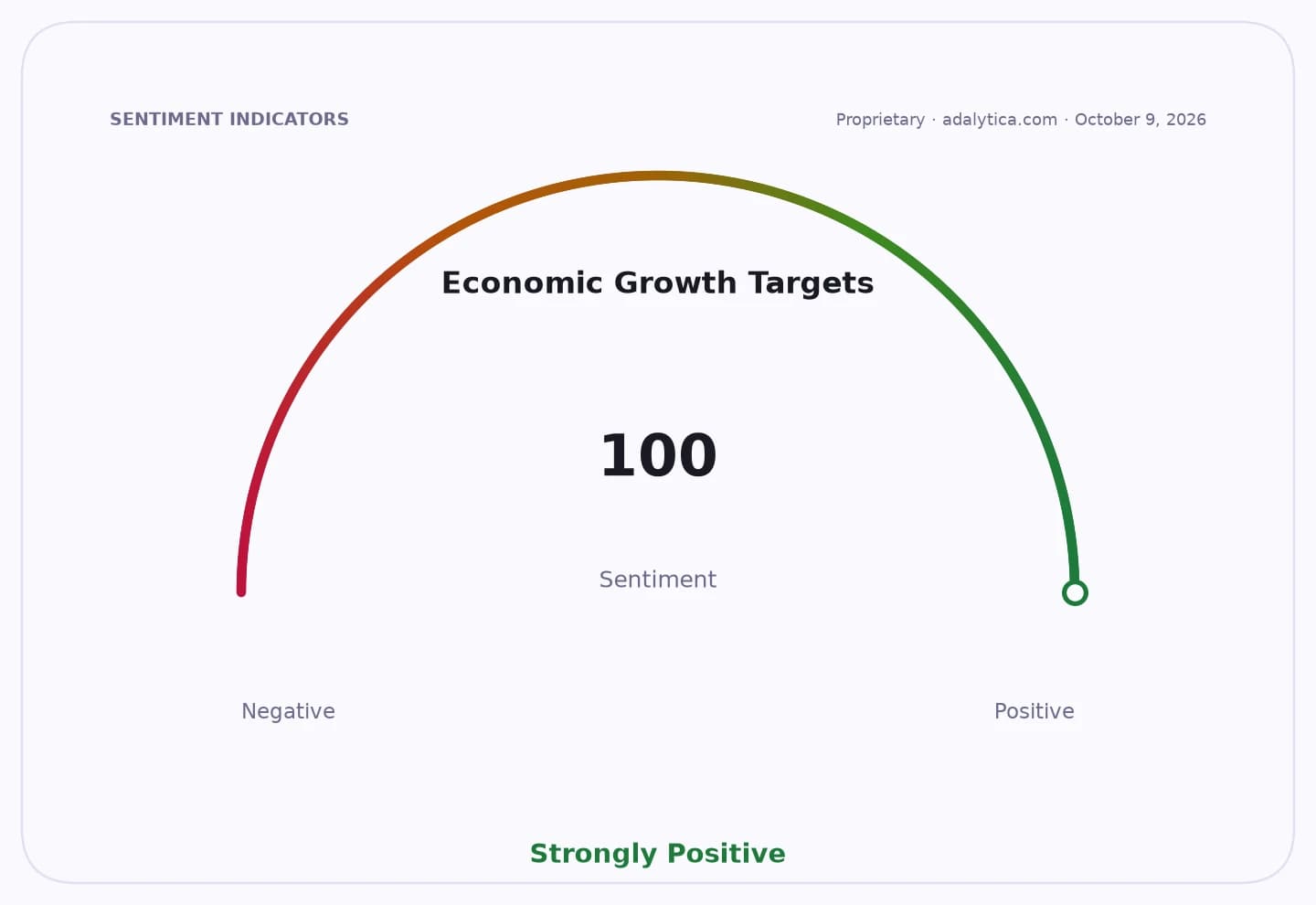
BSNL is trying to turn its network into a strategic national platform, with new deals on AI-driven cybersecurity and photonics aimed at improving service quality, keeping data at home and creating the backbone for higher-value enterprise traffic.
BSNL Signs AI Security and Photonics Deals

The state-run carrier said at India Mobile Congress 2026 that it has partnered with Indian firm Saptang Labs to embed artificial intelligence and machine-learning threat protection into its core network, while signing an expression of intent with Fujitsu Japan to develop an All-Photonics Network on BSNL’s existing dark fibre.
That matters because BSNL is not just adding features for consumers. It is positioning itself as a trusted public telecom layer for government messaging, secure connectivity and next-generation enterprise services. In a market where private operators have led on 4G and 5G quality, BSNL’s pitch is that sovereignty, security and domestic infrastructure can still be monetised if they are turned into differentiated services.
The cybersecurity initiative is the more immediate operational upgrade. By moving threat detection into the network core rather than relying on device-level software, BSNL is trying to block malicious traffic in real time across its subscriber base. For governments and enterprises, that could reduce exposure to fraud and network-based attacks; for BSNL, it could become a selling point in contracts where trust and compliance matter more than speed alone.
The Fujitsu agreement points to a bigger commercial opportunity. An All-Photonics Network, built on fibre assets already under BSNL’s control, could support hyperscaler workloads and low-latency data transport between major Indian cities. If executed, it would give BSNL a path into the premium wholesale and cloud connectivity market, an area where telecom operators can earn more stable margins than in consumer mobile.
The announcements also fit the broader policy push for more domestic digital infrastructure. BSNL’s government messaging platform, which operates on Indian infrastructure and keeps data residency in-country, reinforces New Delhi’s preference for sovereign networks in public communication. That is politically valuable for BSNL, but it also creates a possible ecosystem play if ministries and public agencies adopt the platform at scale.
For investors and industry watchers, the question is whether BSNL can convert pilot-style partnerships into revenue-generating deployments. The bull case is that a combination of state backing, captive fibre and domestic-security credentials lets BSNL carve out niches private rivals may not chase as aggressively. The bear case is that execution risk remains high and the company still has to prove these initiatives can deliver measurable financial returns rather than just strategic relevance.
The immediate significance is less about earnings impact than about direction. BSNL is signalling that its turnaround story is moving beyond basic network modernization toward security, AI services and fibre-based enterprise infrastructure — areas that could matter more for India’s telecom landscape than another round of headline subscriber competition.
| Entity | Gains | Losses |
|---|---|---|
| BSNL | ▲stronger strategic relevance | ▼execution burden |
| Saptang Labs | ▲network-security showcase | ▼limited near-term scale |
| Fujitsu | ▲APN entry point in India | ▼project and rollout risk |
| Private carriers | ▲little direct gain | ▼BSNL gets policy-backed differentiation |