Indian IT shares are set to open under pressure and with a clear split between near-term regulatory risk and longer-term earnings support after the U.S. moved to block major Indian outsourcers from a key green-card processing route even as Tata Consultancy Services posted a better-than-expected September-quarter result.
Indian IT shares face U.S. visa curbs after TCS results
The immediate market issue is not the visa suspension itself, but what it could do to delivery costs, onsite retention and client pricing in the U.S., the industry’s biggest market. More than half of the revenues of large Indian IT firms come from the U.S., making any disruption to staffing flexibility a direct earnings risk rather than a political headline.
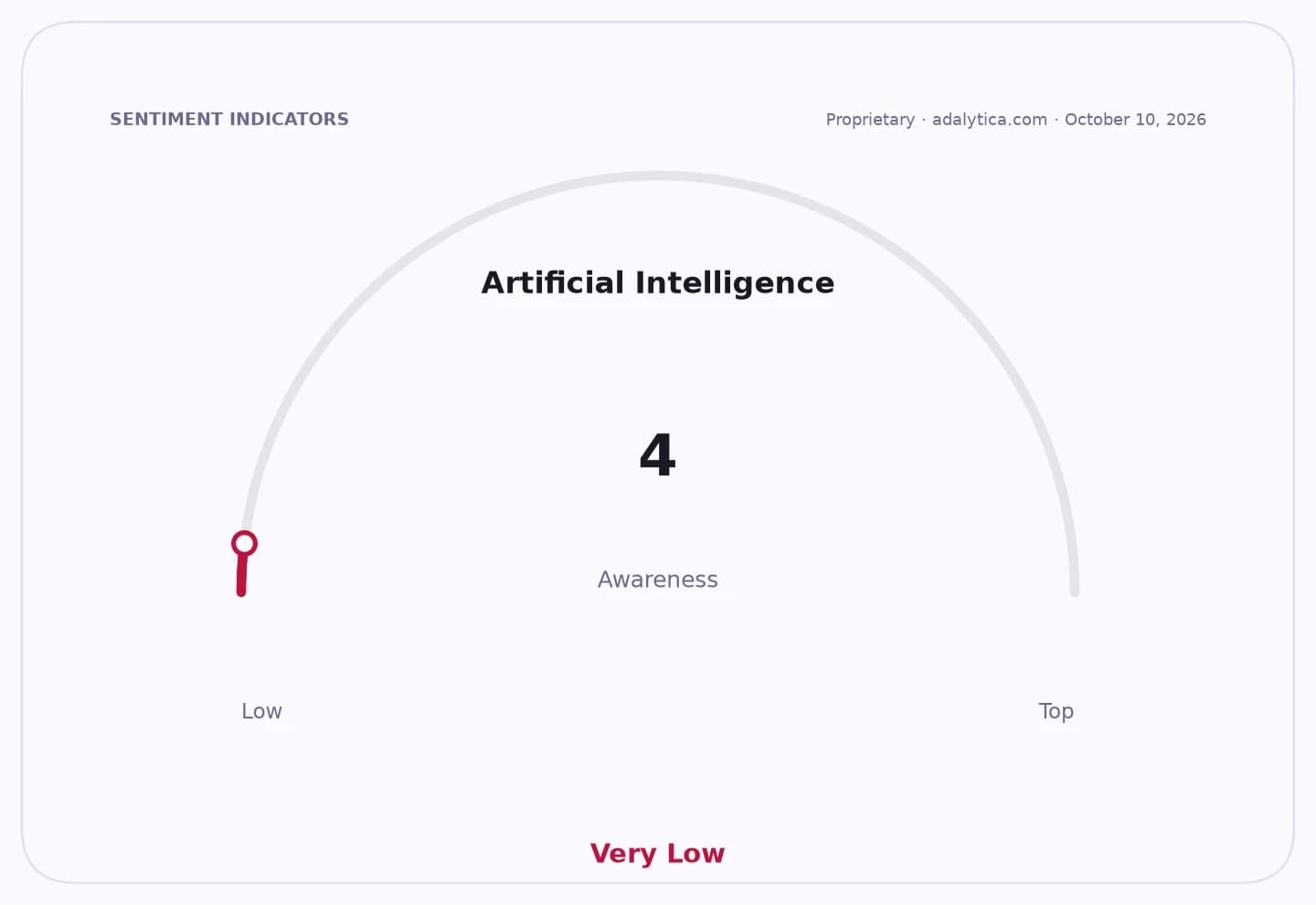
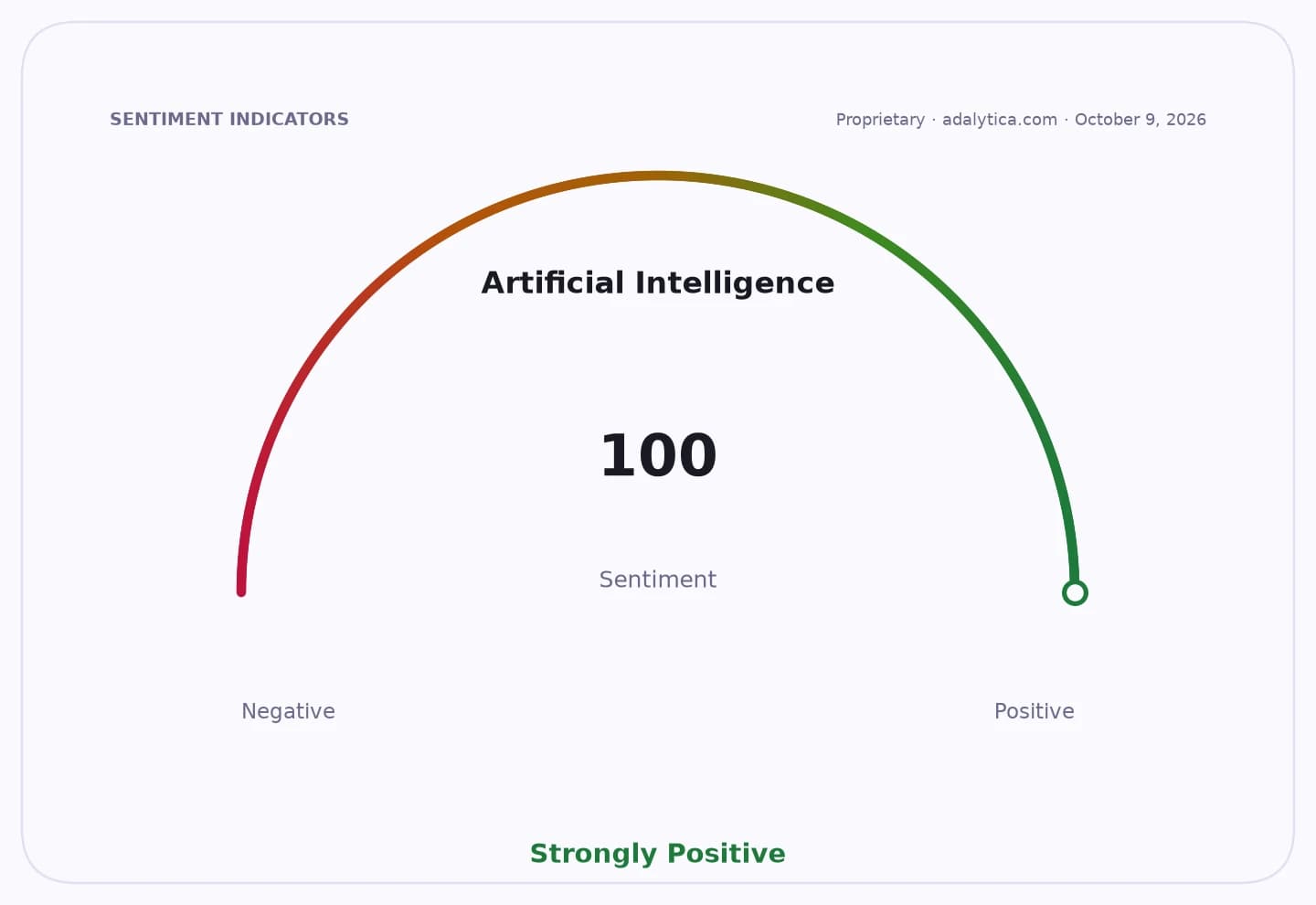
Sentiment IndicatorsⓘProprietary · adalytica.com · October 10, 2026
This is a snapshot — live sentiment, awareness and momentum for 130+ markets update continuously in the dashboard.Open AlphaPulse
U.S. Labor Secretary Keith Sonderling and Vice President JD Vance announced that Indian technology majors have been suspended from the Permanent Labour Certification Programme, which is used to support green-card applications for workers on H-1B visas. The companies can still deploy temporary H-1B workers, but they are now blocked from processing pending or new green-card applications under the programme. That removes a crucial path to permanent residency for sponsored staff and could increase attrition among engineers already working onshore in the U.S.
For investors, the key question is whether the policy change merely complicates workforce management or forces firms to absorb structurally higher labor costs. Analysts said the impact could be material if companies are pushed to move more work offshore or hire local U.S. engineers at much higher pay. Either option would pressure margins at a time when demand growth is already uneven across global technology spending.
The sector did get one offset from TCS, whose September-quarter numbers marginally topped expectations. The company reported a consolidated net profit of ₹13,884 crore, up 14.45% from a year earlier, on revenue of ₹73,188 crore, up 11.20% in rupee terms. It also reported total contract value of $9.6 billion, secured a five-year strategic partnership with Porsche, bought MHP, and won an agreement to turn Best Buy’s India capability centre into an AI Capability Centre.
Those figures matter because TCS is the bellwether for the sector’s ability to convert demand into earnings despite macro and policy headwinds. The company said its annualized artificial-intelligence revenue run rate has crossed $3.1 billion, or more than 10% of revenue, giving bulls a reason to argue that AI-led deal wins can cushion the blow from U.S. visa restrictions.
Still, the broader setup remains mixed. The visa move comes after the U.S. raised the annual fee for new H-1B applicants to $100,000 last year, reinforcing a multi-year policy tightening that could keep Indian IT valuations under pressure. At the same time, the sector’s technical backdrop has weakened: Infosys was last trading below both its 50-day and 200-day moving averages, with RSI readings in the mid-40s, while Wipro has also underperformed its longer-term trend. That suggests investors are still treating rallies as event-driven rather than a durable re-rating.
For now, the narrative for IT stocks is one of offsetting forces: policy risk from the U.S. versus operating resilience from TCS. If more companies show the same mix of strong order intake and AI-led revenue, the sector may stabilize; if visa curbs start to hit delivery economics and talent retention, the recent bounce in sentiment could fade quickly.
| Entity | Gains | Losses |
|---|---|---|
| TCS | ▲Better-than-expected earnings | ▼Higher U.S. staffing costs |
| Indian IT firms | ▲AI-led deal wins | ▼H-1B and green-card curbs |
| U.S. clients | ▲Potential offshore cost savings | ▼Less delivery flexibility |
| Investors in IT stocks | ▲Earnings support from TCS | ▼Margin pressure and policy risk |