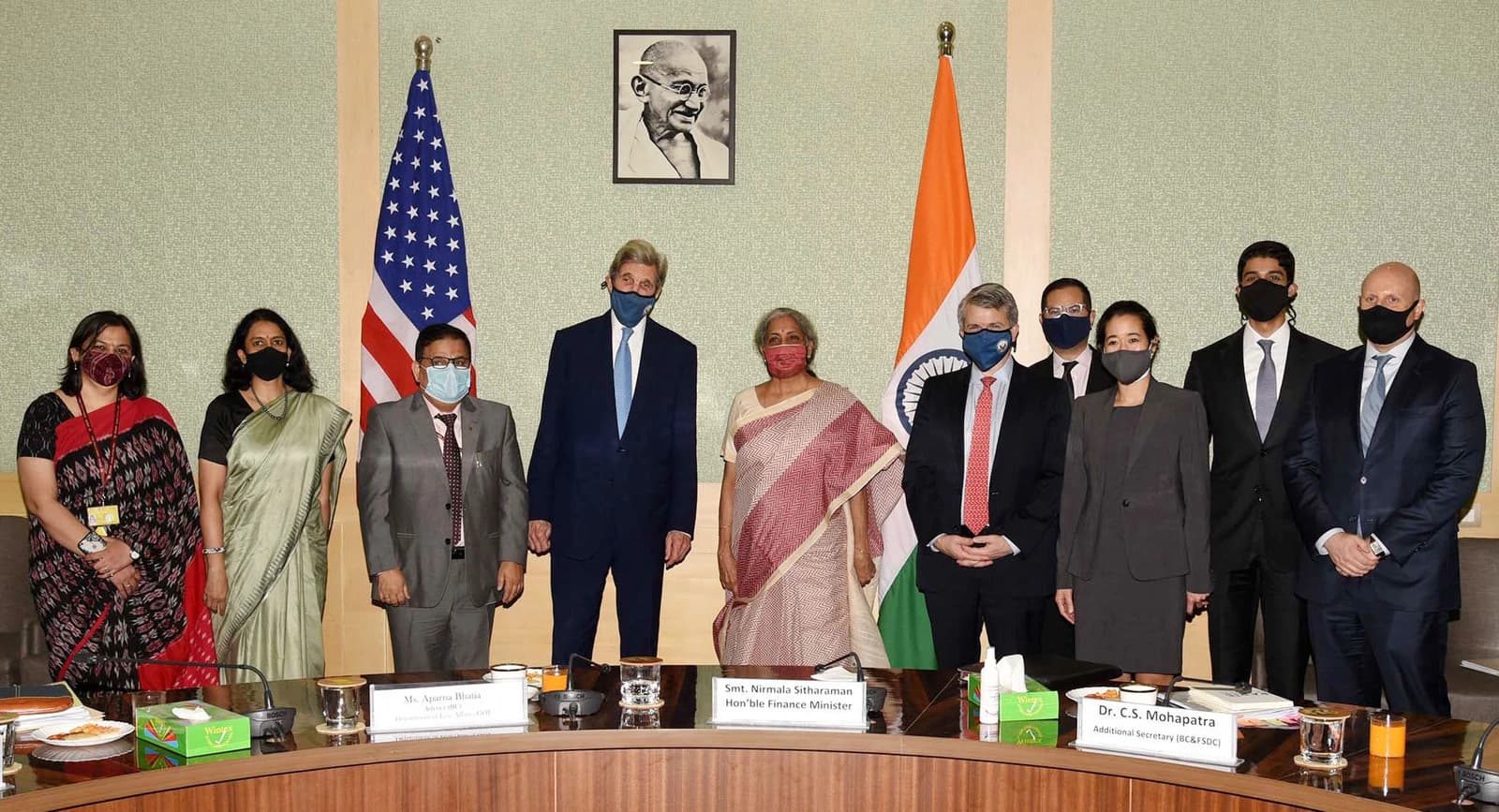
India’s opposition is seizing on Washington’s suspension of foreign-worker green-card processing at several IT firms to argue that Prime Minister Narendra Modi has weakened New Delhi’s hand just as US pressure on Indian technology workers intensifies.
India IT firms face US visa policy risk
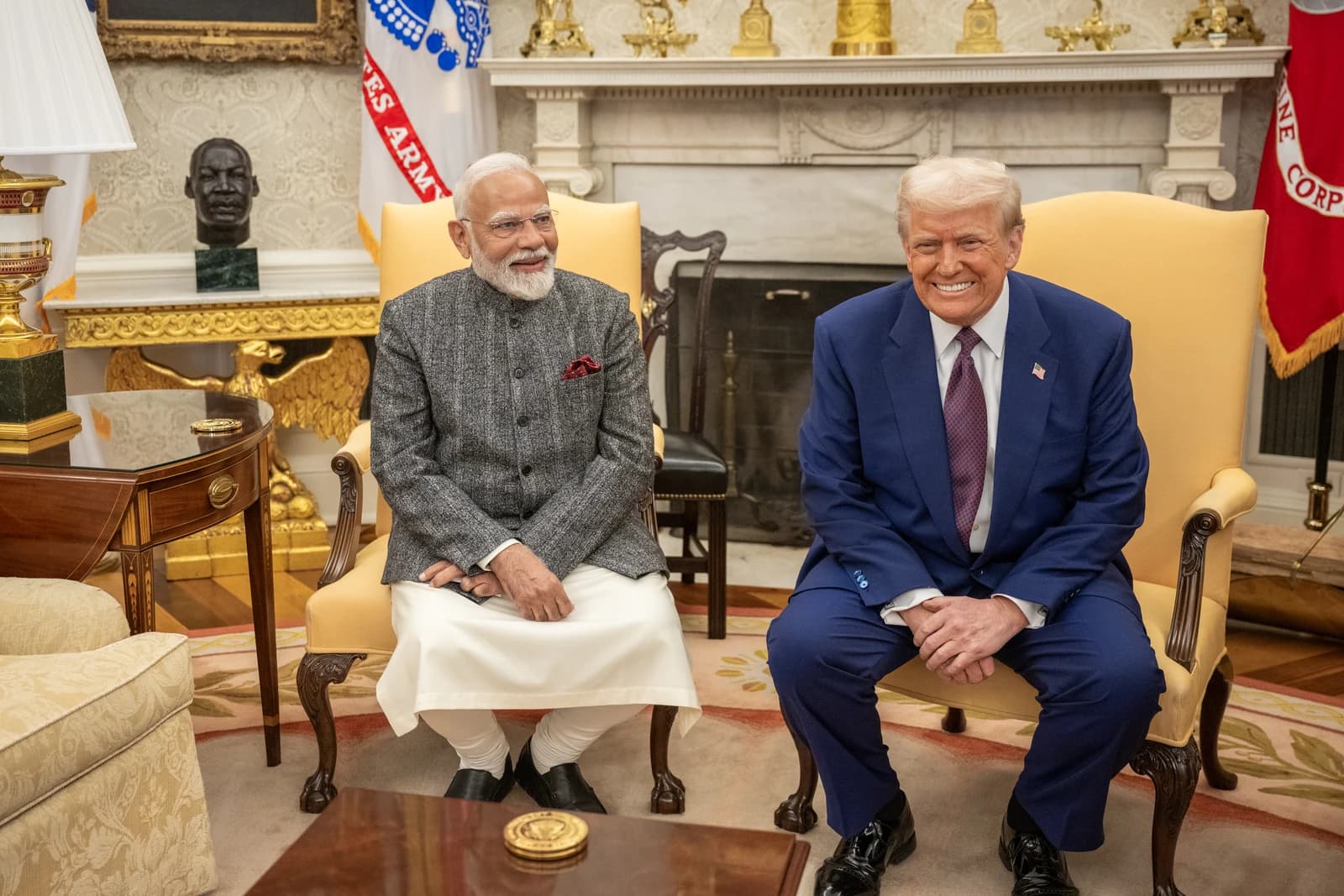
The immediate economic issue is not a diplomatic spat in isolation, but the risk that India’s $250 billion-plus information technology services industry faces a more hostile US policy backdrop at the same time that domestic payments policy is being criticized as overly accommodating to American companies. Congress leader Jairam Ramesh said Modi would not retaliate over the US action because he is under “siege” over the “GyaneshGate” controversy, while also accusing the government of imposing UPI merchant discount rate charges that would benefit foreign firms.
Sentiment IndicatorsⓘProprietary · adalytica.com · October 10, 2026
This is a snapshot — live sentiment, awareness and momentum for 130+ markets update continuously in the dashboard.Open AlphaPulse
That matters because the US is the single most important market for Indian IT services, where visa access and the ability to place employees on-site have long been central to delivery models and margins. Any curbs on green-card processing or tighter immigration screening can raise compliance costs, limit workforce flexibility and slow client project execution. For companies such as Tata Consultancy Services, Infosys and Wipro, the latest move adds another layer of policy risk on top of already cautious demand trends in the technology sector.
The political angle is equally significant. By framing the episode as proof that “appeasement of bullies never pays,” Congress is trying to turn an external policy shock into a domestic indictment of Modi’s negotiating strategy with the US. The party’s criticism ties the visa issue to the government’s recent decision to postpone UPI MDR charges after backlash from merchants and consumer groups, arguing that the move helps payment networks and global processors at the expense of India’s zero-fee digital payments model.
For investors, the story is a reminder that cross-border policy decisions can hit earnings in two directions at once. Indian IT exporters face pressure from visa rules and client localization demands, while global payments players including Visa and Mastercard have a potential opening if MDR structures eventually make merchant acceptance more economically viable. Visa’s shares have climbed to about $385, with the stock trading above its 50-day and 200-day moving averages, while Mastercard has risen to around $589 and also remains technically firm. PayPal, by contrast, has lagged and trades near $56, suggesting investors are still pricing a tougher consumer-payments environment.
The market read-through is that India’s digital and outsourcing ecosystems remain exposed to US policy choices, even as New Delhi tries to balance domestic political sensitivities with foreign investment and strategic ties. If the visa restrictions broaden, Indian IT companies may need to accelerate offshore delivery and local hiring in the US, which would squeeze margins before any benefit from renewed growth in digital payments fees can materialize.
The next watchpoint is whether India responds through regulatory leverage, trade diplomacy or quiet negotiation. If it does not, the current episode could reinforce a broader investor view that both Indian tech exporters and payments firms are navigating a more politicized operating environment, with policy risk increasingly part of the valuation case.
| Entity | Gains | Losses |
|---|---|---|
| US tech policy hawks | ▲Domestic labor protection | ▼Offshore staffing flexibility |
| Indian IT firms | ▲Long-term offshore demand | ▼US visa access, margins |
| Global payments networks | ▲Potential MDR revenue tailwind | ▼Merchant resistance |
| Indian consumers/merchants | ▲Digital payment access | ▼Higher transaction costs |