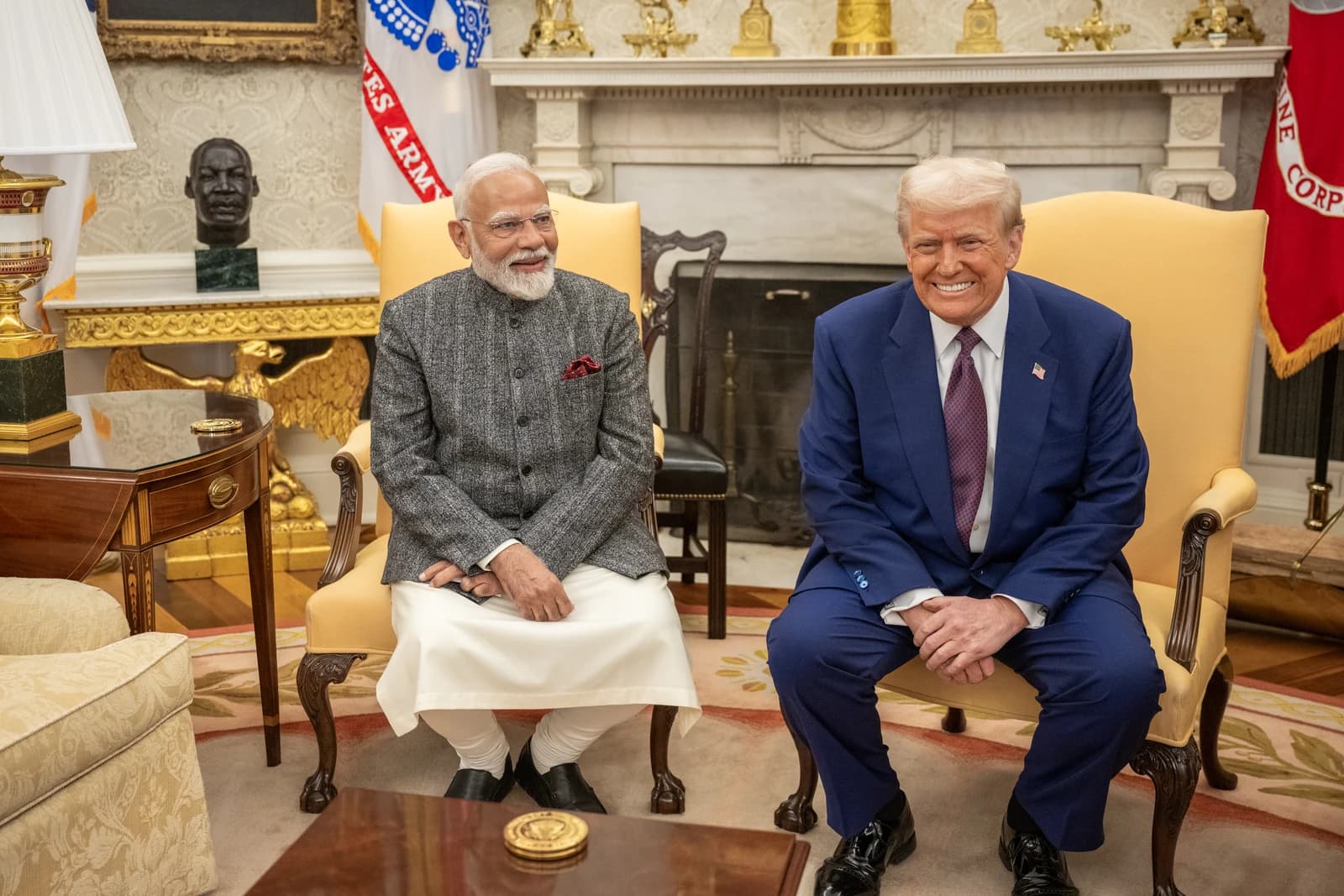
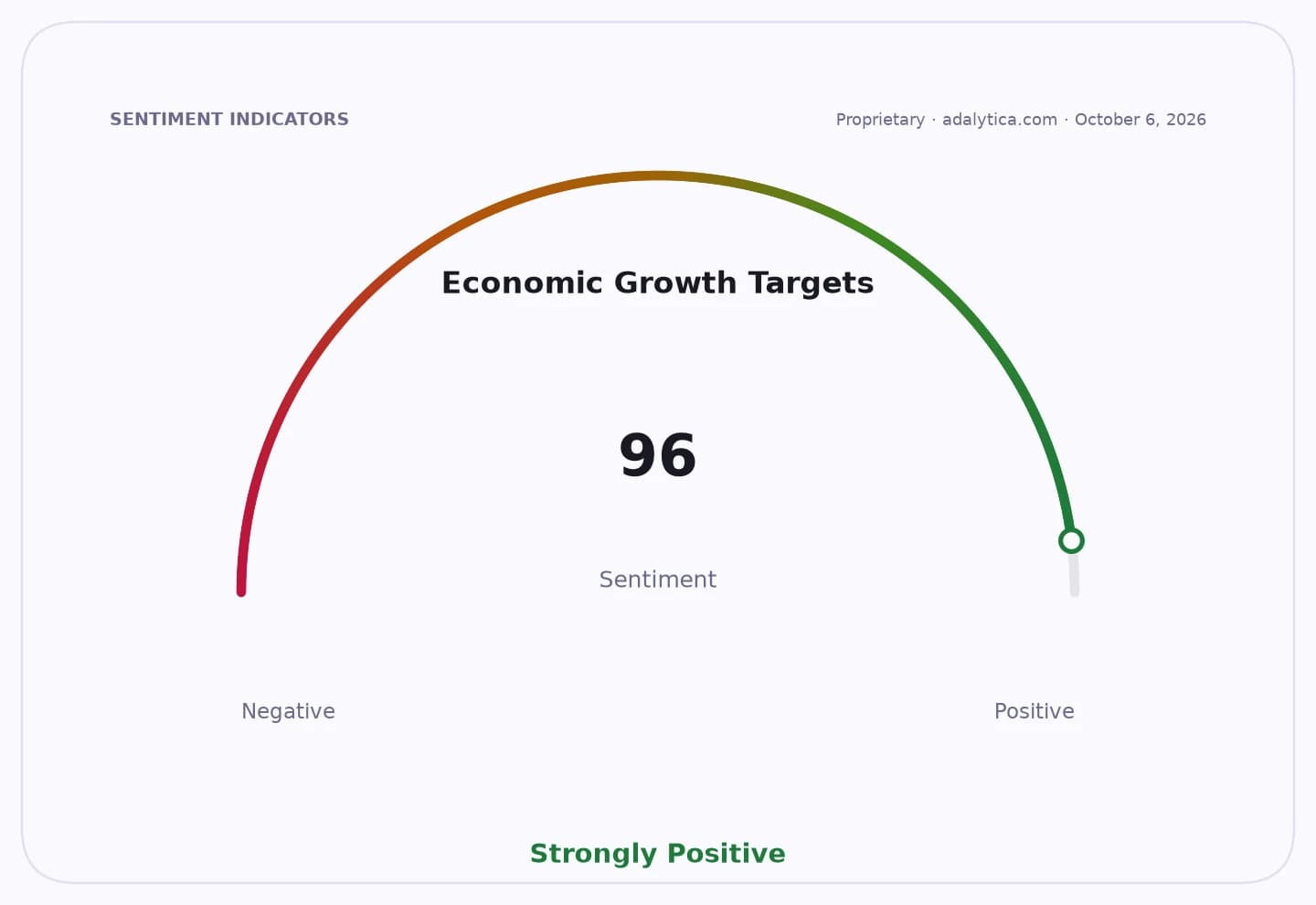
India’s trade talks with the US have hit a plateau, and that matters because a deal that was supposed to deepen market access and improve supply-chain alignment now looks more like a slow grind than an imminent breakthrough.
India-US Trade Talks Stall as INDA Weakens

Finance Minister Nirmala Sitharaman said negotiations are still ongoing, but the scope for fresh concessions appears limited, a sign that both sides may be running into the hard edge of domestic politics and trade sensitivities. For investors, that reduces the odds of a near-term catalyst for Indian exporters, multinationals building India supply chains and US companies looking for a cleaner tariff and regulatory framework in one of the world’s fastest-growing large economies.
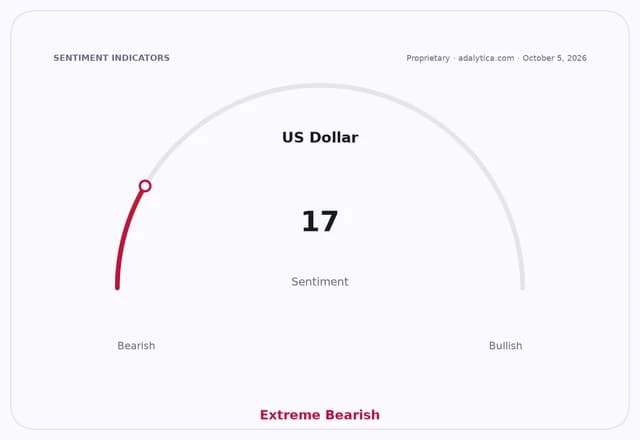
The economic significance is bigger than the headline suggests. India and the US have been trying to convert strategic alignment into commercial gains, but a plateau in talks means key frictions — from market access to terms of reciprocity — are still unresolved. That leaves bilateral trade exposed to the broader global pattern of selective de-risking rather than true liberalization. In practical terms, it delays the kind of deal that could have lowered uncertainty for sectors tied to manufacturing, services and cross-border investment.
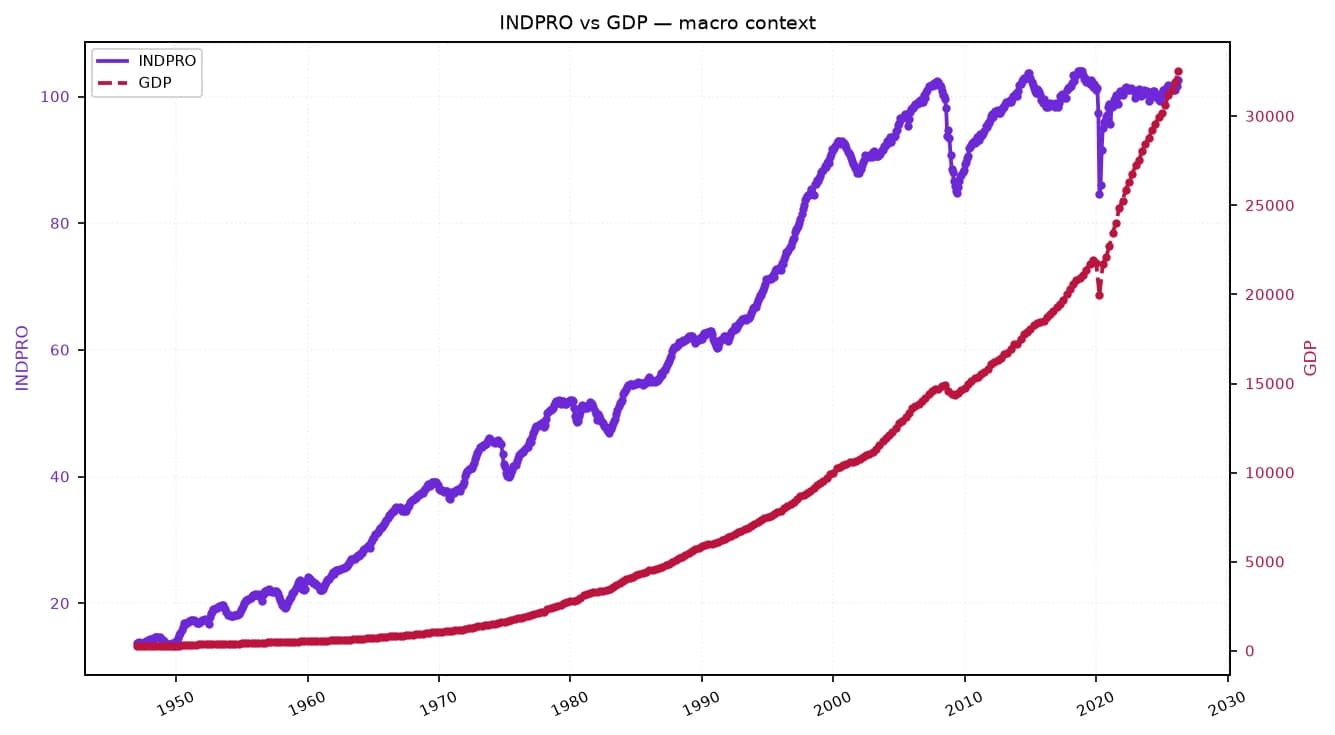
Markets are already pricing in caution. The India-focused iShares MSCI India ETF, INDA, has slid to about $46.50, below its 50-day and 200-day moving averages, while its RSI reading has dropped into the mid-30s, reflecting weak momentum rather than breakout confidence. The broader industrials complex, tracked by XLI, has also pulled back from its highs even as it remains above long-term support, underscoring that investors are still discriminating between megatrend winners and policy-dependent trades.
The biggest implication is that the market should stop treating a US-India trade deal as a near-term upside surprise and start treating it as a slower-burn option on future normalization. That is a very different setup. If the talks remain stalled, the winners are likely to be the companies and sectors already positioned to benefit from India’s structural capex cycle, domestic demand and supply-chain diversification without waiting for Washington. The losers are the names that were counting on faster tariff relief, clearer export access or a headline agreement to rerate valuations.
That is why the better trade is not to chase the diplomacy itself, but to own the picks-and-shovels around India’s long-cycle growth story: infrastructure, manufacturing, logistics and industrial automation. The trade deal may still arrive, but Sitharaman’s comments suggest the market is unlikely to get paid for patience any time soon. Investors should position for a longer negotiation and a bigger payoff elsewhere.
| Entity | Gains | Losses |
|---|---|---|
| India domestic capex players | ▲Less reliant on trade deal timing | ▼Exporters waiting on tariff relief |
| US-India negotiators | ▲Time to seek compromise | ▼Near-term credibility |
| INDA holders | ▲Potential long-term deal optionality | ▼Short-term breakout traders |
| Industrials and infrastructure stocks | ▲Structural India growth theme | ▼Policy-dependent rerating bets |