India is moving to lock in a more investor-friendly trade and protection framework with Europe just as it broadens its push for capital from a wider set of global partners.
India prepares new investment treaty template
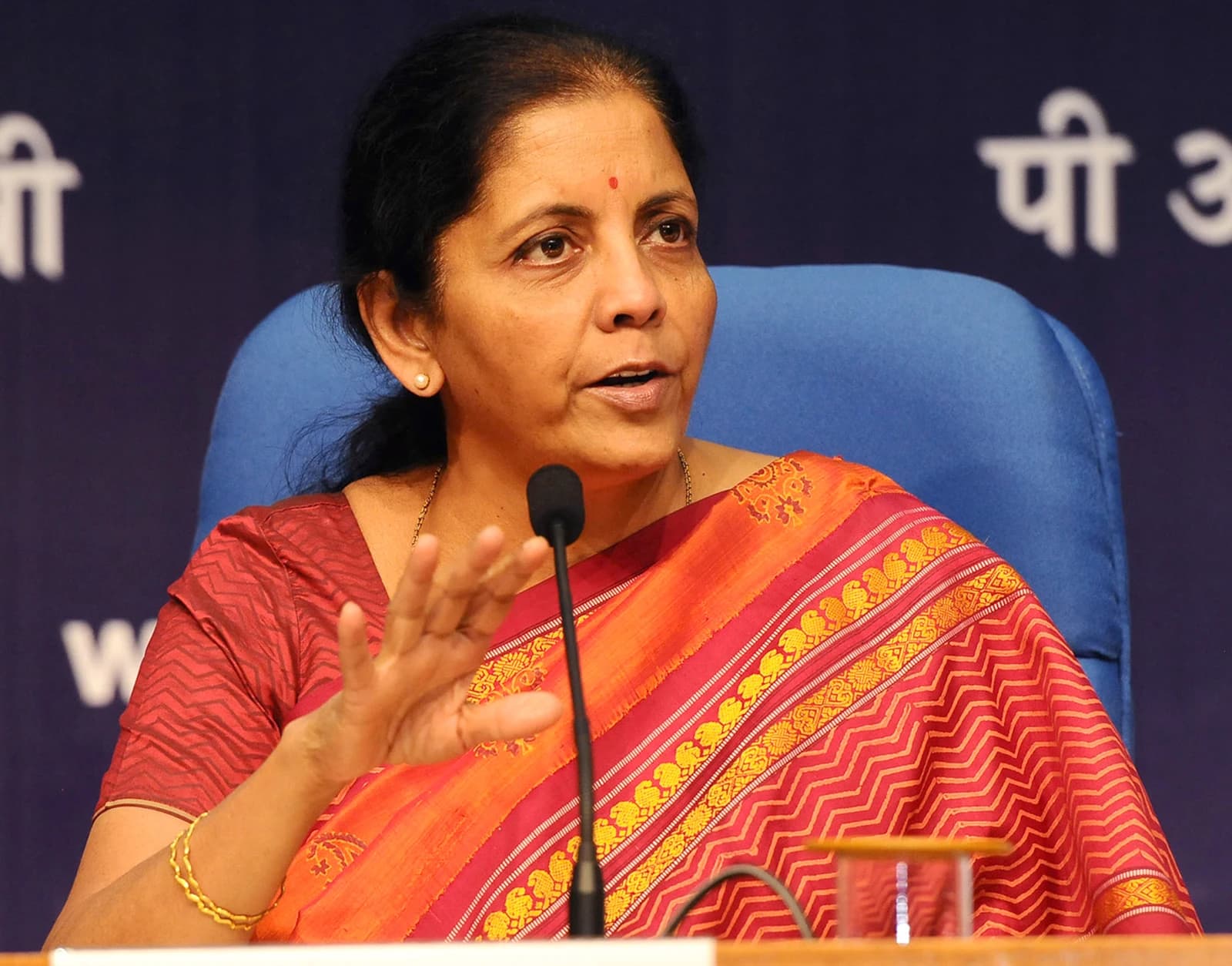
Finance Minister Nirmala Sitharaman said in New Delhi that a new template for bilateral investment treaties is ready and should soon win cabinet approval, with the aim of giving sharper protection to investors on both sides. She also hailed the India-EU free trade talks, framing them as part of India’s broader approach to negotiating economic ties that can support capital flows, supply chains and long-term business expansion.
Sentiment IndicatorsⓘProprietary · adalytica.com · October 5, 2026
This is a snapshot — live sentiment, awareness and momentum for 130+ markets update continuously in the dashboard.Open AlphaPulse
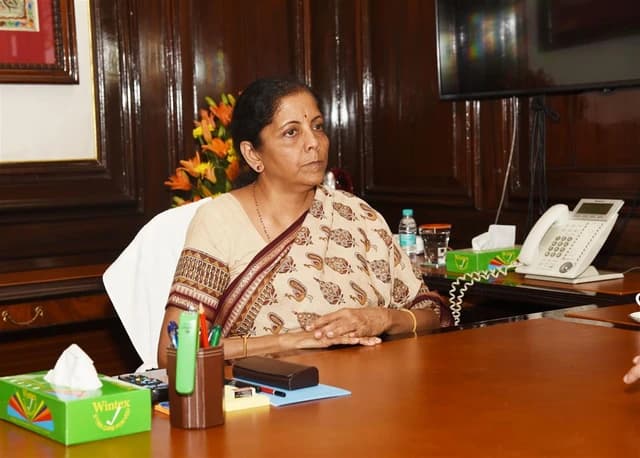
For investors, that matters because trade talks are only one piece of the story. The more important development is India’s effort to make cross-border investment rules clearer and more predictable after years in which treaty uncertainty has been a concern for global companies and asset managers. If the new template is adopted, it could ease some of the friction around foreign direct investment at a time when India wants to attract more manufacturing, technology and infrastructure capital.
Sitharaman said India expects to conclude bilateral investment protection agreements with at least three more countries by December. She added that similar pacts have already been concluded with the UAE, Oman and some Central Asian countries, while negotiations are also underway with Canada and Russia. That shows a deliberate strategy: India is not relying on a single deal, but building a wider lattice of investment relationships to reduce dependence on any one partner and make the country a more durable destination for global money.

The economic logic is straightforward. Better legal protection for investors can lower the perceived risk premium on India exposure, which in turn can support longer-duration investment in factories, logistics, digital infrastructure and energy. Over time, that can help deepen the investment cycle, strengthen the current account, and make India’s growth model less reliant on short-term portfolio flows.
The market angle is equally clear. A friendlier treaty framework is constructive for India-focused funds, multinational manufacturers, and sectors tied to capex and supply-chain relocation. The beneficiaries are companies looking for a stable legal regime and easier access to a fast-growing market; the losers are jurisdictions competing for the same foreign capital if India becomes a more attractive stop.
The backdrop also includes India’s more measured stance toward the United States, where trade talks have reportedly stalled. That makes the EU track even more important. If Washington is not ready to move quickly, New Delhi is signaling that it will keep widening its options rather than waiting on one bilateral breakthrough.
For long-term investors, this is the sort of policy shift that can compound quietly. Trade deals grab the headlines, but investment treaties and legal protections often do the heavier lifting when global capital decides where to build for the next decade. India’s message is that it wants not just more trade, but more durable capital. That is worth watching.
| Entity | Gains | Losses |
|---|---|---|
| India | ▲More foreign capital | ▼Greater policy scrutiny |
| EU investors | ▲Stronger legal protection | ▼Less negotiating leverage |
| India-focused funds | ▲Better long-term visibility | ▼Near-term deal delays |
| Rival emerging markets | ▲— | ▼Capital competition intensifies |