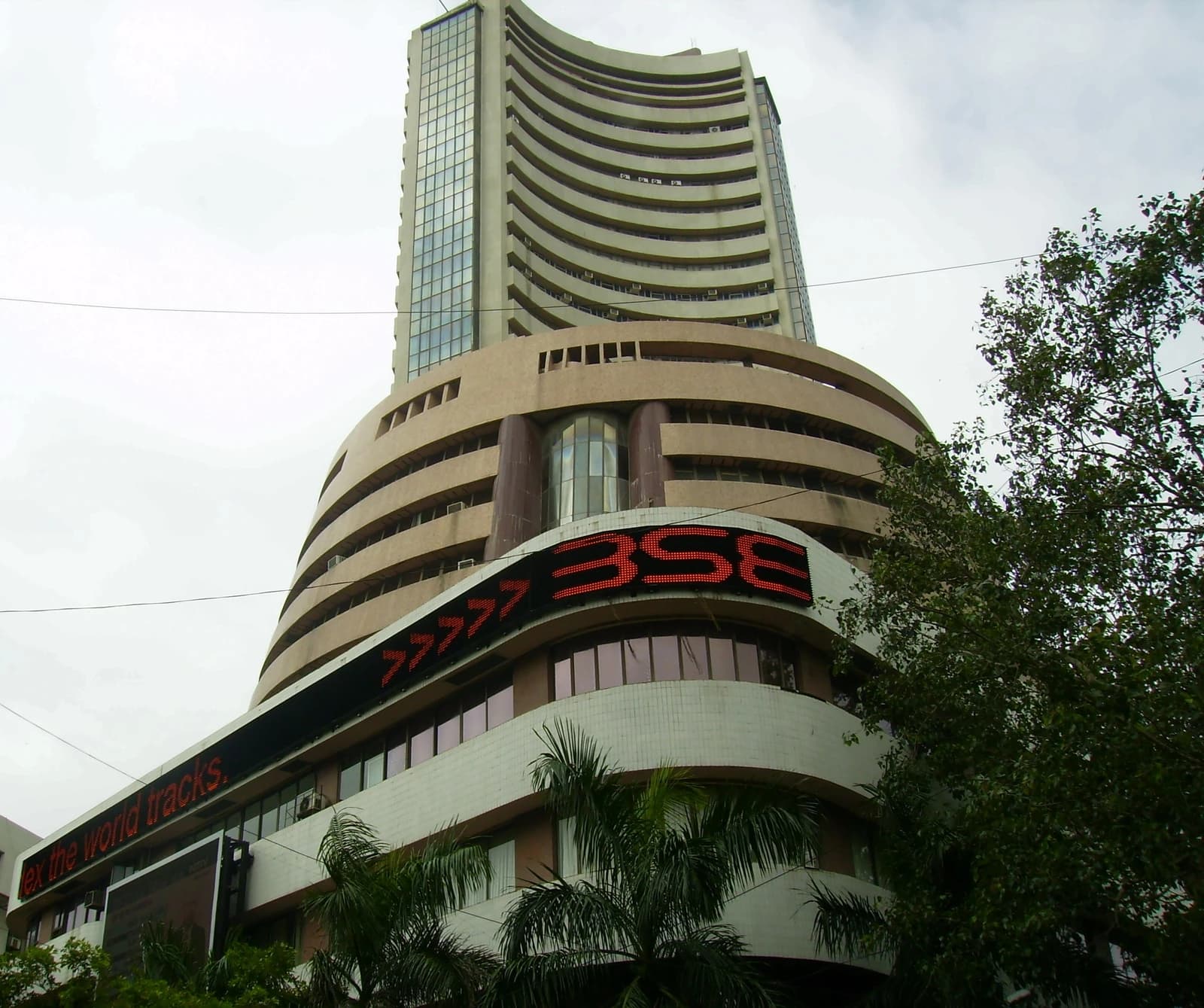
India and the UK have agreed to explore cross-border equity and bond listings through Gujarat International Finance Tec-City’s IFSC, a step aimed at widening capital access for Indian companies and deepening links between two of the world’s major financial centers.
India, UK explore equity and bond listings via GIFT IFSC
The move matters because it could give Indian issuers a cleaner route to overseas funding while strengthening GIFT IFSC’s pitch as a competing international hub to London, Dubai and Singapore. For investors, it points to a future in which Indian assets are easier to buy, trade and potentially price through a broader pool of global capital.
Sentiment IndicatorsⓘProprietary · adalytica.com · October 8, 2026
This is a snapshot — live sentiment, awareness and momentum for 130+ markets update continuously in the dashboard.Open AlphaPulse
The agreement came out of the fourth UK-India Financial Markets Dialogue in London on Sept. 29 and was folded into a joint statement by the two governments. Officials from India’s finance ministry, Sebi, the RBI, IFSCA and other regulators met counterparts from HM Treasury, the Bank of England and the Financial Conduct Authority, underscoring that the push has regulatory backing rather than being just a diplomatic talking point.
Beyond listings, the two sides said they would continue cooperation across capital markets, insurance, pensions, asset management, fintech and sustainable finance. India said Sebi is streamlining market access for global investors, while the RBI highlighted easier access to sovereign and corporate debt for overseas participants.
GIFT IFSC was a recurring theme, with both sides agreeing to keep sharing regulatory knowledge to support its development as an international financial center. That is significant for India’s long-term funding costs: a deeper offshore platform can diversify demand for Indian paper and reduce reliance on domestic liquidity conditions.
The dialogue also touched on the rupee, with both sides welcoming further internationalization and recognizing London’s role as the leading offshore rupee trading hub. They discussed cross-border payments, market interoperability and fraud risks tied to artificial intelligence, showing the talks were as much about infrastructure as they were about listings.
For investors, the immediate takeaway is strategic rather than transactional: no listing pipeline was announced, but the framework is moving toward easier cross-border capital flows and potentially more secondary-market access to Indian assets. The next checkpoint will be follow-up work ahead of the next Economic and Financial Dialogue, where regulators are expected to turn the broad agreement into specific rules and market channels.
| Entity | Gains | Losses |
|---|---|---|
| Indian companies | ▲Wider access to global capital | ▼Higher disclosure burden |
| GIFT IFSC | ▲Stronger international role | ▼Competition from other hubs |
| UK financial firms | ▲More access to Indian markets | ▼Fewer barriers to entry easing slowly |
| London markets | ▲Rupee hub status reinforced | ▼Potential share of listings diverted |