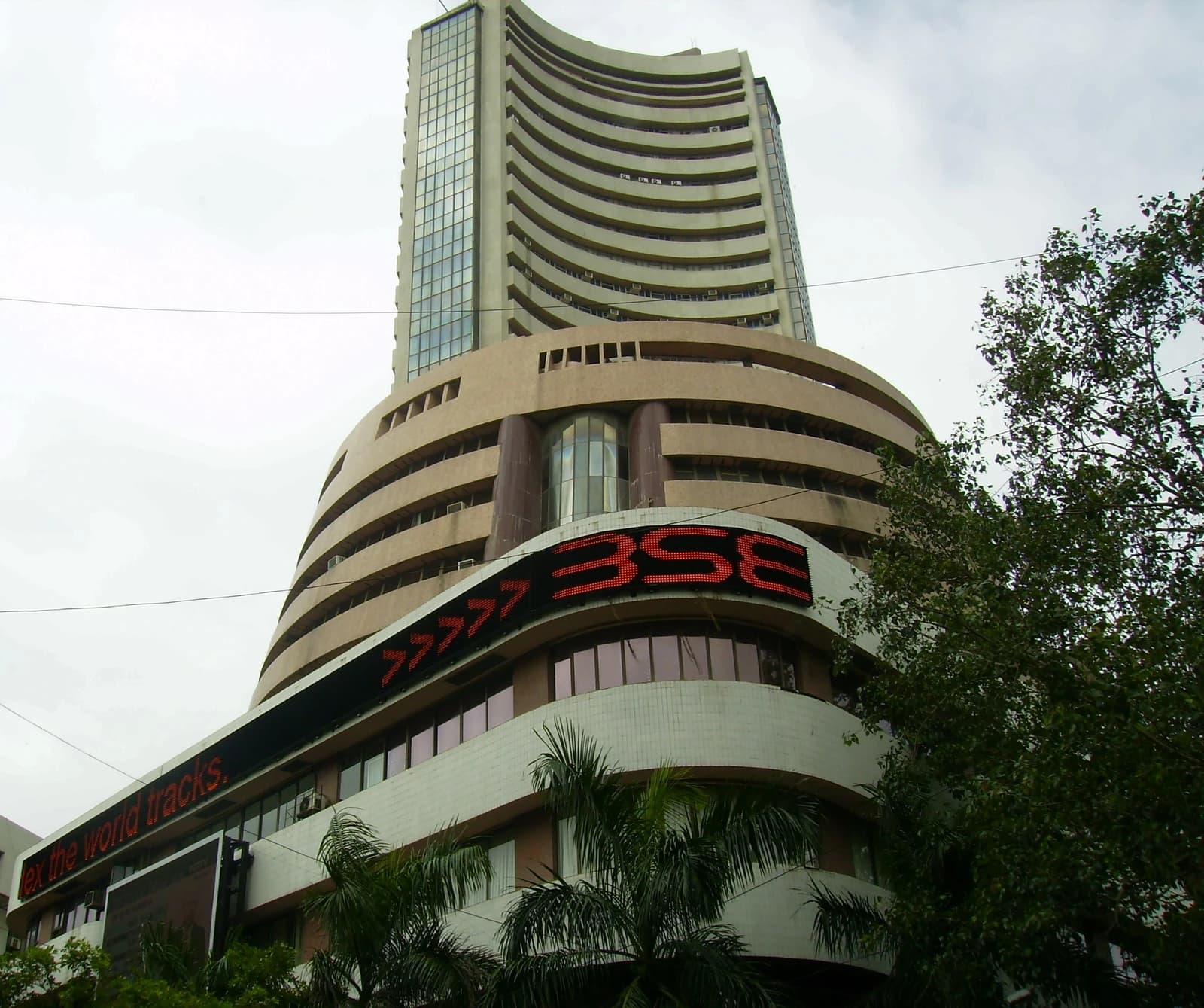
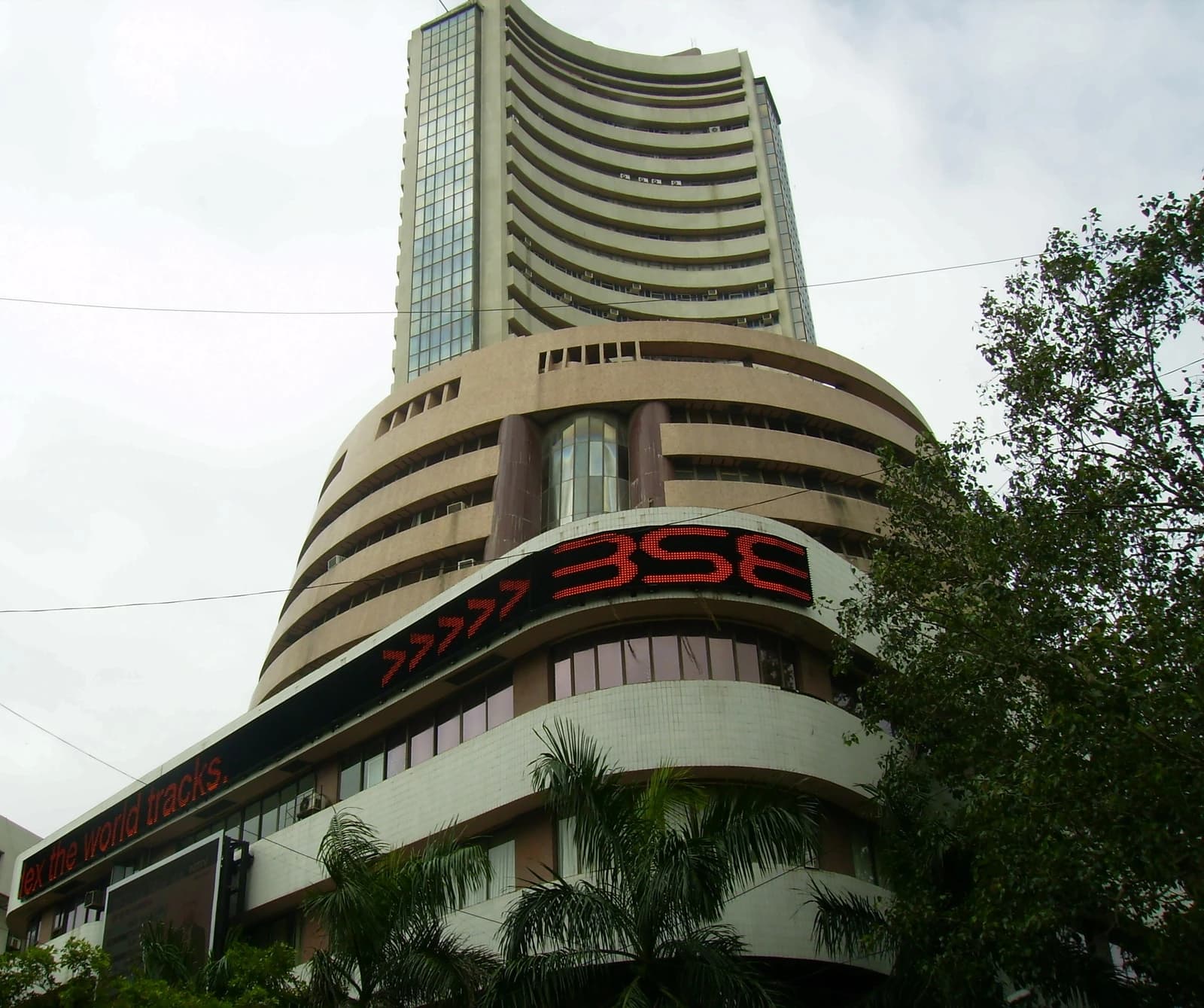
Rajiv Jain’s GQG Partners has sold about Rs 24,400 crore of Indian shares this year, cutting back sharply on the Adani empire stockpile that once made the US fund manager one of Gautam Adani’s most important foreign backers.
GQG Partners Cuts Adani Holdings, Sells ITC Stake
That matters because GQG’s buying spree in 2023 helped stabilize Adani Group shares after the Hindenburg shock rattled the conglomerate and scared off many global investors. Now the reverse is playing out: a marquee overseas supporter is taking money off the table, and that withdrawal has implications not just for sentiment, but for liquidity, benchmark flows and the valuation premium the Adani complex has been able to command.
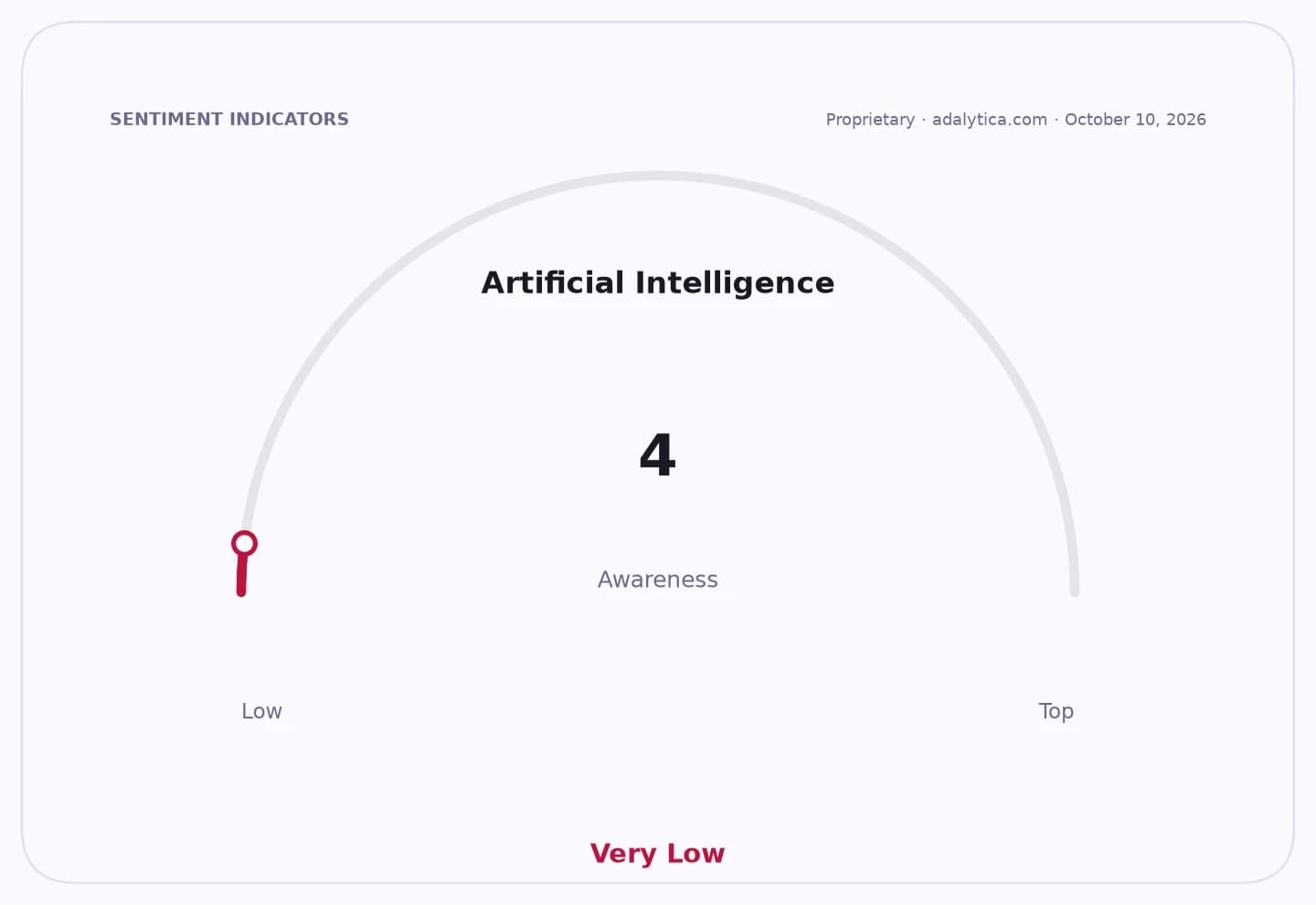
Sentiment IndicatorsⓘProprietary · adalytica.com · October 10, 2026
This is a snapshot — live sentiment, awareness and momentum for 130+ markets update continuously in the dashboard.Open AlphaPulse
The biggest exit came on Oct. 8, when GQG sold about 36.51 crore ITC shares in a block deal worth roughly Rs 9,395 crore. Before that, it had already trimmed about Rs 15,000 crore from other holdings since the start of 2026, including positions in ITC Hotel and Lodha Developers. It also added JSW Energy and JSW Steel in the June quarter, showing that the firm is rotating rather than simply abandoning India — but the message is clear: capital is being reallocated away from some crowded names.
The Adani stake reduction is the market’s bigger tell. GQG has pared exposure to Adani Group companies by about Rs 13,200 crore this year, with the largest cut in Adani Enterprises, followed by Adani Green Energy, Adani Power, Adani Ports and Special Economic Zone and Adani Energy Solutions. For investors, that is important because foreign portfolio money remains a powerful marginal driver in India’s large-cap names, particularly in sectors where free float is limited and institutional ownership can amplify moves.
Technical signals underline that the stock market is treating the unwind cautiously. Adani Enterprises has slipped well below its 50-day moving average, while its RSI readings have weakened into oversold territory in recent sessions. Adani Ports has held up better, but recent volatility shows buyers are no longer chasing the stock with the same conviction. Adani Green has also given back a chunk of its earlier gains, suggesting the whole complex is more vulnerable when a key foreign holder reduces exposure.
The broader investment narrative is not about one fund manager’s portfolio housekeeping. It is about what happens when a heavyweight foreign sponsor shifts from rescue mode to risk trimming. GQG’s move does not automatically mean a view against India or against Adani’s long-term infrastructure story. But it does tell you where the near-term pressure points are: blocks need clearing, liquidity matters, and valuations that were helped by scarcity and foreign confidence can compress quickly when that confidence is monetized.
For investors, the asymmetric opportunity is to separate the businesses with durable cash-flow visibility from those still priced for uninterrupted momentum. Adani Ports and Adani Power may continue to find buyers on operating strength, but the market is likely to reward patience over enthusiasm across the group until the selling fully resets supply. In India more broadly, the better trade may be the beneficiaries of capital rotation — energy, steel, infrastructure and select private-sector cash generators — rather than the names absorbing the largest stake overhang.
| Entity | Gains | Losses |
|---|---|---|
| GQG Partners | ▲Cash realization | ▼India equity exposure |
| Adani Group stocks | ▲Select buyers on dips | ▼Foreign sponsor support |
| ITC | ▲Block-sale liquidity | ▼Overhang from large exit |
| JSW Energy / JSW Steel | ▲Fresh portfolio allocation | ▼N/A |