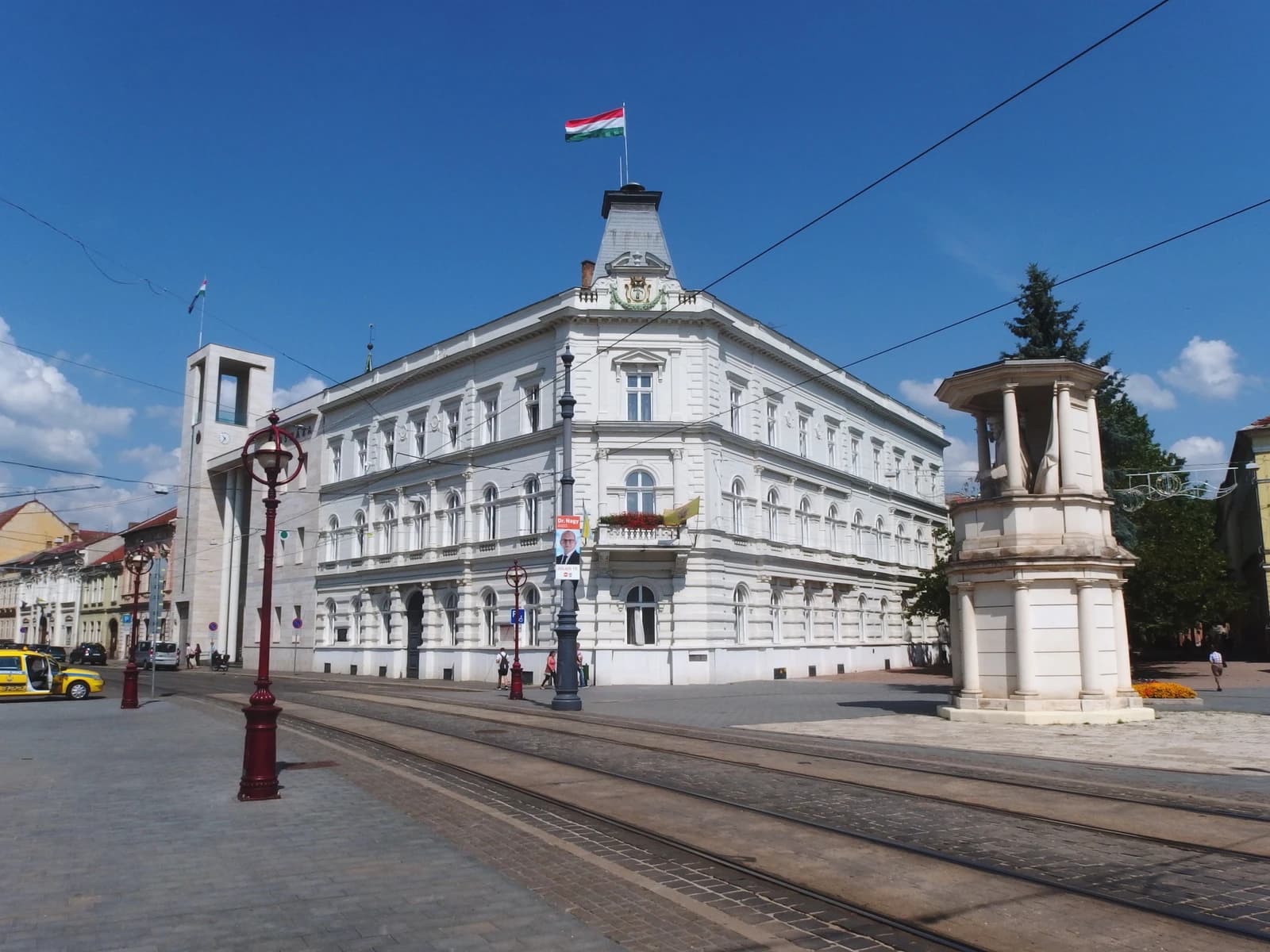
Bucharest City Hall has paid 34 million lei to public transport operator STB, clearing a debt tied to services delivered during the pandemic and giving the city a cleaner balance sheet as it tries to stabilize its finances.
Bucharest City Hall pays 34 million lei to STB
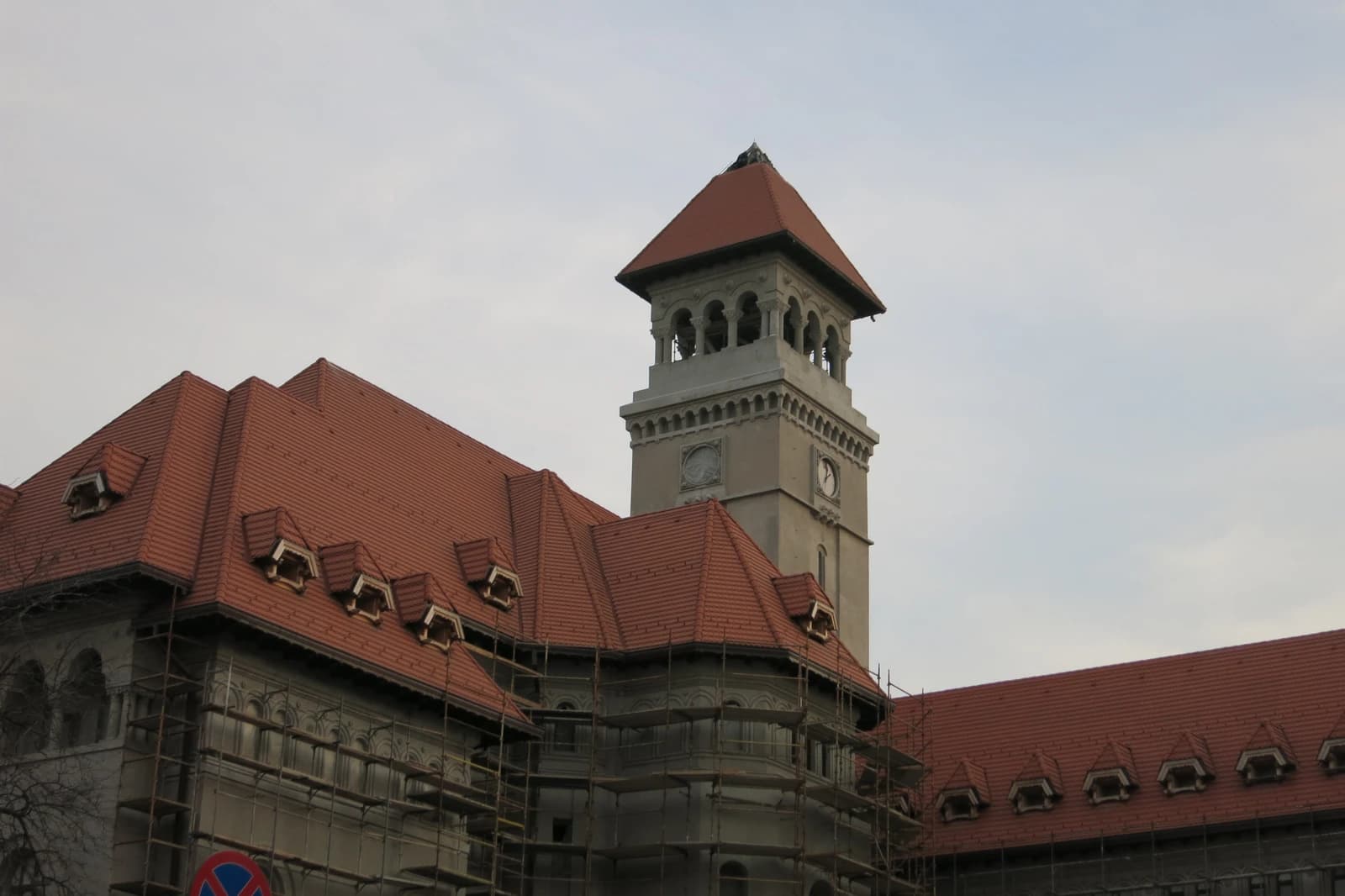
The payment matters because municipal arrears can quietly become a drag on operations, forcing suppliers to wait, complicating budgets and increasing the risk that essential services are underfunded. For STB, the money improves near-term cash flow and reduces uncertainty around receivables that had been hanging over the operator since the health crisis.
For investors and creditors watching public-sector finances, the move is a reminder that debt cleanup is often as important as new spending. Local governments across Europe have spent years dealing with the aftershocks of the pandemic, and even relatively modest obligations can become a test of fiscal discipline when borrowing costs are higher and budgets are tighter.
The broader lesson is simple: paying down old liabilities creates more room for future investment. That can matter for transport systems, infrastructure contractors and the wider municipal ecosystem, because a city that services its obligations is better positioned to fund new projects without eroding confidence among counterparties.
Still, this is not the same as a full fiscal reset. Bucharest will need to keep showing that this payment is part of a more durable approach to debt management, not a one-off fix. For long-term investors, the key question is whether the city can pair cleaner accounts with steady capital spending and reliable service delivery. That is the kind of discipline worth watching.
| Entity | Gains | Losses |
|---|---|---|
| Bucharest City Hall | ▲Cleaner finances | ▼Less budget flexibility |
| STB | ▲Improved cash flow | ▼Less leverage in arrears talks |
| Taxpayers / residents | ▲Better service stability | ▼Need for fiscal discipline |
| Suppliers / creditors | ▲Lower payment risk | ▼Fewer overdue balances |