Miskolc is leaning on its credit lines to keep the city running, underscoring how deep funding strains have become in one of Hungary’s biggest industrial centers and why local governments are pressing Budapest for a wider rescue deal.
Miskolc Draws on Credit Lines Amid Funding Strain
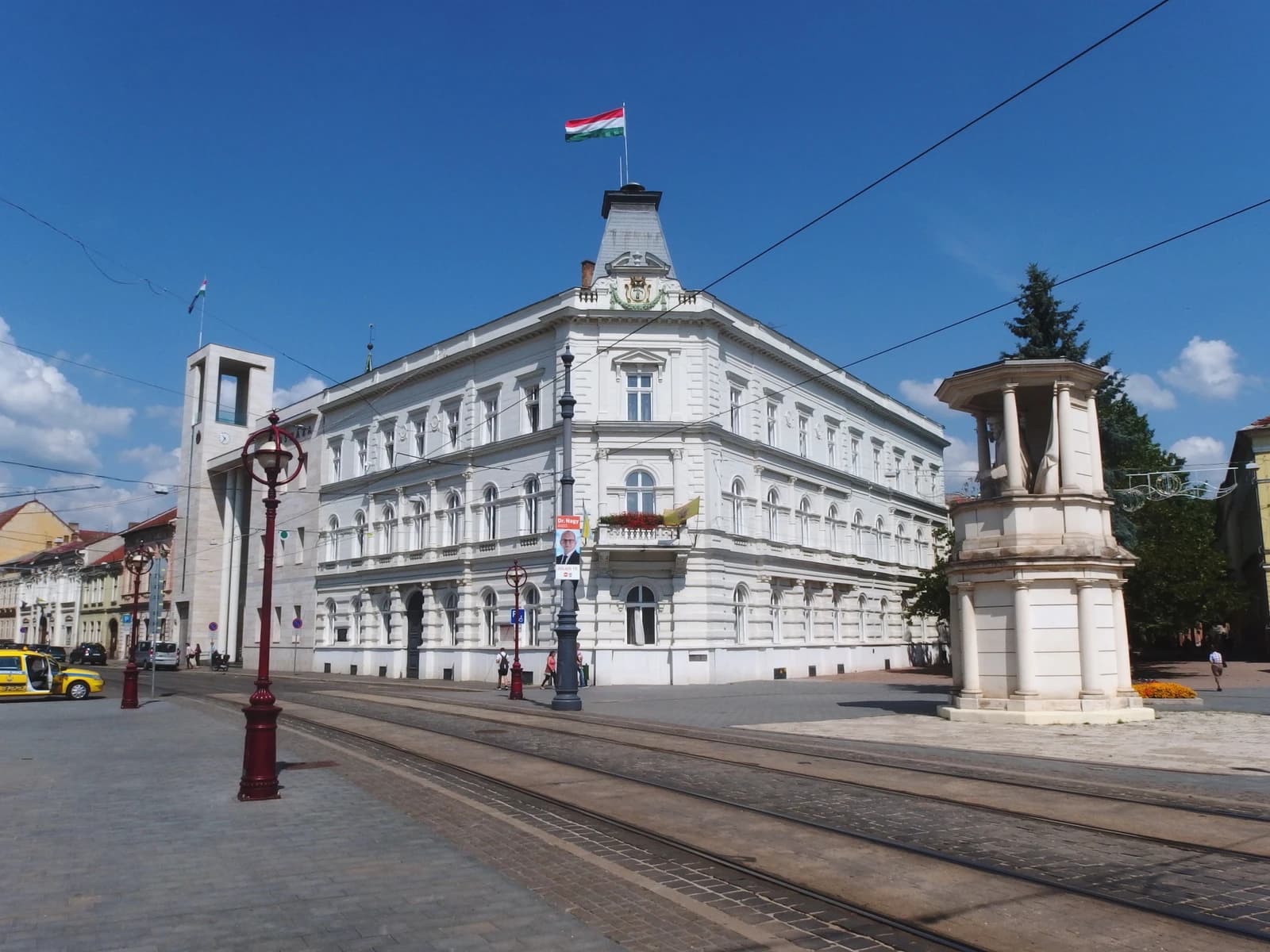
Mayor József Tóth-Szántai said institutions are still operating and public services will be maintained for the rest of the year, but only by drawing on borrowing capacity. He framed the move as evidence that the city can no longer absorb the burden of rising operating costs, shrinking state support and barely growing own-source revenue.
The warning matters because Miskolc is not describing a short-term cash squeeze. Tóth-Szántai said the city has received no state support for public transport since 2020 while paying 5 billion to 7 billion forints a year in solidarity tax to the central budget, a combination that has left the municipality increasingly dependent on financing tools to meet its obligations.
That puts Miskolc in the same broader category as other large provincial cities including Debrecen, Pécs, Szeged and Győr, which the mayor said face similar pressures. The comparison to Budapest is politically sensitive: the capital recently secured a one-off 120 billion forint government deal, including support for public transport, and Miskolc wants a similar arrangement scaled to population.
For investors, the immediate issue is not municipal bonds alone but the wider picture of local-government fiscal stress in Hungary. If the state extends more support to large cities, it could ease service risks and borrowing pressure at the municipal level, but it would also add to central government spending commitments at a time when public finances are already under strain.
The city says it is in regular talks with the Finance Ministry and has already handed over data for the negotiations. Miskolc’s next city assembly session is due to take up the financial situation, keeping the issue in focus as the government faces mounting calls to revisit how it funds Hungary’s major regional centers.
| Entity | Gains | Losses |
|---|---|---|
| Miskolc city government | ▲Short-term liquidity | ▼Financial flexibility |
| Residents and transit users | ▲Services preserved | ▼Risk of later austerity |
| Hungarian central government | ▲Chance to contain escalation | ▼Higher fiscal burden |
| Other provincial cities | ▲Stronger precedent for aid | ▼Pressure to justify requests |