The Hungarian government plans to lift health-care spending by 500 billion forints next year, but the extra money may do less than hoped unless it is paired with deeper reform of hospital financing, staffing and patient flow.
Hungary Plans 500 Billion Forint Health-Care Boost
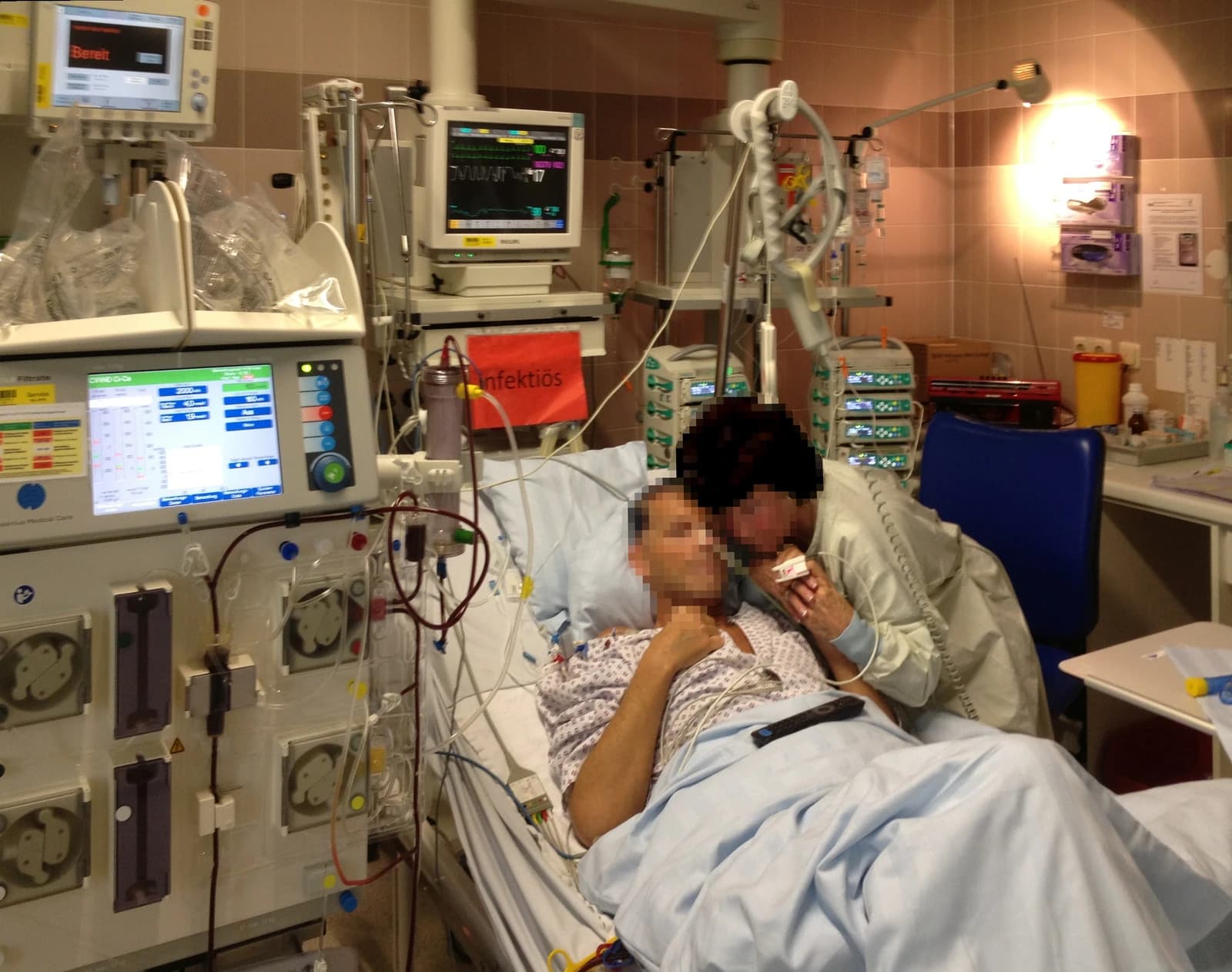
That is the central economic message behind Friday’s briefing from Prime Minister Magyar Péter and health minister Hegedűs Zsolt: Hungary’s health system is not simply short of cash, it is constrained by capacity, debt and a badly functioning care chain. With more than 32,000 people waiting over 60 days for hip or knee replacement surgery, and with hospital arrears already at 66.7 billion forints, a large share of the new allocation could disappear before it reaches patients.
Sentiment IndicatorsⓘProprietary · adalytica.com · October 11, 2026
This is a snapshot — live sentiment, awareness and momentum for 130+ markets update continuously in the dashboard.Open AlphaPulse
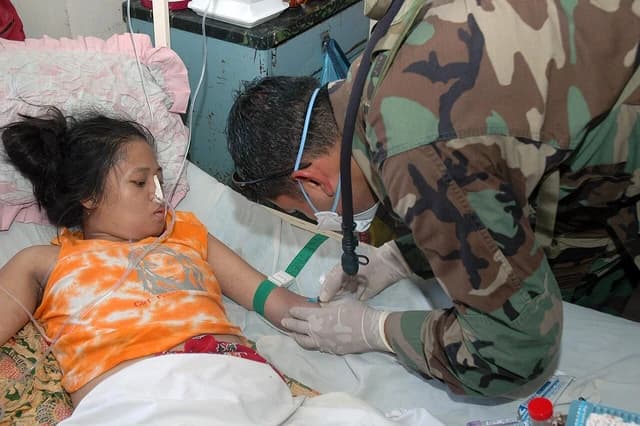
The government says it will launch a waiting-list reduction program on Oct. 15, starting with hip and knee replacements and cataract surgery, and will review the pilot after a year before widening it to other areas. Officials want to cut delays by extending operating hours, paying bonuses and using hospital assets more efficiently. Hegedűs also outlined a broader redesign of the system, from booking through surgery to rehabilitation, including patient follow-up and live doctor-patient contact.
For investors, the story matters well beyond Hungary’s health ministry. Public health spending is one of the most politically sensitive budget lines in central and eastern Europe, and the gap between headline funding promises and actual service delivery often determines sentiment toward sovereign finances, hospital suppliers and private care providers. The government’s own math suggests why: of the pledged 500 billion-forint increase, 66.7 billion forints would be consumed immediately by existing hospital debt, leaving at most 433.3 billion for genuinely new purposes.
That leaves three competing uses for the money: higher wages for nurses and other staff, a repair of the basic funding model, and the purchase or outsourcing of access to care. Hegedűs signaled that private providers may be drawn in where they can perform procedures better and more cheaply, but only if the state can preserve the viability of its own hospital network. That balance is politically delicate and commercially important, because it could shift volumes toward selected private operators while squeezing institutions dependent on state funding.
The bull case is that Hungary is finally directing resources toward a system that has been starved of labor, logistics and reimbursement discipline, not just undercapitalized. If the pilot reduces waiting times and clears duplicate entries on waiting lists — officials said one hospital found 20% to 30% of queued patients had already been treated elsewhere — the new funding could buy real efficiency gains. The bear case is that more money without binding reforms merely patches over arrears, inflates wage costs and preserves the same bottlenecks in operating theaters and rehabilitation.
That makes the next few months critical. If the pilot shows visible gains by early 2027, the government may have room to broaden the program and reset expectations around state health care. If not, the 500 billion-forint pledge will look less like a structural reform than a costly attempt to keep an overstretched system from slipping further.
| Entity | Gains | Losses |
|---|---|---|
| Patients waiting for surgery | ▲Shorter queues | ▼Delayed treatment |
| Nurses and hospital staff | ▲Higher pay potential | ▼Funding bottlenecks |
| Private providers | ▲More outsourced volumes | ▼Less state monopoly |
| State hospitals / treasury | ▲Better funding if reforms work | ▼Debt absorption pressure |