Mental ill-health is no longer just a public health issue; it is becoming a measurable economic burden that is reshaping labour markets, insurance costs and healthcare spending.
Mental Health Costs Pressure Insurers and Hospitals

That is the central message from the data and company disclosures pointing to a widening gap between governments’ recognition of the problem and the resources being deployed to address it. Mental health conditions reduce workforce participation, depress output and add to medical claims, creating a feedback loop that investors are increasingly seeing in earnings, pricing and capital allocation across insurers and hospital operators.
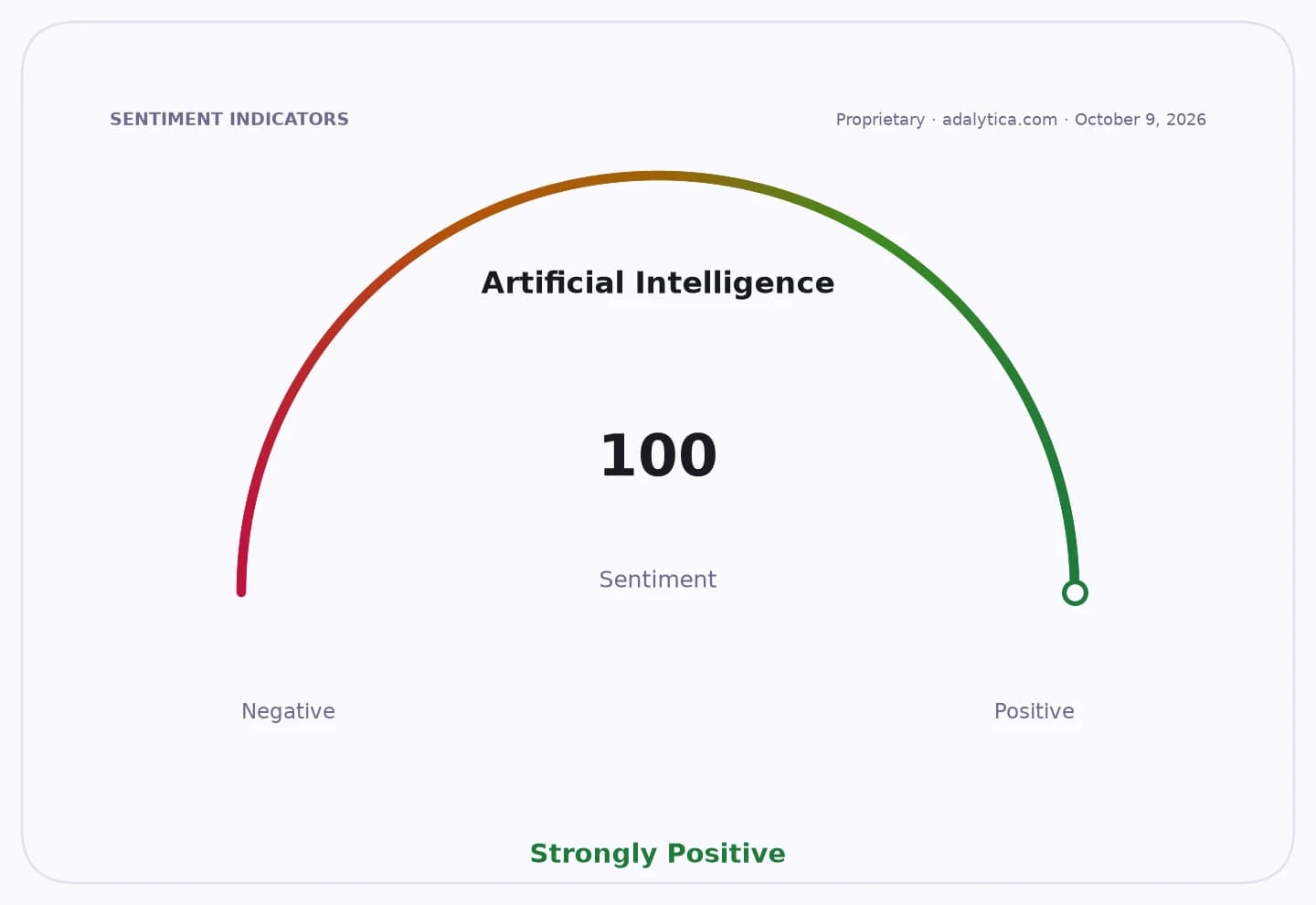
Sentiment IndicatorsⓘProprietary · adalytica.com · October 12, 2026
This is a snapshot — live sentiment, awareness and momentum for 130+ markets update continuously in the dashboard.Open AlphaPulse
The macro stakes are substantial. In the data context, unemployment remains low at 4.2% and GDP is projected to keep growing, but consumer sentiment has weakened sharply, underscoring how fragile economic confidence can be even when headline activity is holding up. That matters because mental distress tends to rise when households feel financial pressure, and it can then feed back into weaker productivity, higher absenteeism and more claims for treatment.
For governments, the problem is fiscal as much as social. Underinvestment in mental health services often shifts costs elsewhere in the system: emergency care, disability payments, lost tax revenue and lower long-run productivity. The economic case for treatment is strongest where early intervention keeps people in work, yet public spending has not kept pace with the scale of need. That leaves employers and private insurers to absorb a growing share of the cost.
The corporate evidence is already showing up in healthcare stocks and strategy. UnitedHealth Group, Cigna and HCA all remain above their long-term technical trends, but the pattern across the sector suggests resilient demand for care and payer services even as margins are pressured by utilisation and pricing dynamics. UnitedHealth’s shares have rebounded sharply from a February selloff and now trade well above the 200-day moving average, while HCA has recovered from a steep spring decline and is holding above its own 200-day line. Those moves indicate investors still expect healthcare demand to remain durable, even as they weigh cost inflation and reimbursement pressure.
At the same time, insurers are publicly acknowledging higher medical-cost trends and more difficult member mix. UnitedHealth’s filings point to rising pricing and changes in the populations it serves, including in Medicaid and Medicare Advantage. That is relevant to mental health because behavioural-health demand often appears first in claims trends, prior authorisations and utilisation rates before it becomes visible in broader economic data. If governments do not expand access, more of that cost lands on private balance sheets.
The divergence between policy need and funding reality is also visible outside the US. Medibank’s pledge to add A$50 million to mental health initiatives came alongside warnings from its chief executive about an “alarming” rise in mental illness in Australia. That is a micro example of a broader macro trend: when public provision falls short, private insurers, employers and hospitals are forced to step in, usually at higher cost and with uneven access.
For investors, the key question is not whether mental health matters economically — it clearly does — but which parts of the healthcare stack can price it correctly. Insurers with disciplined underwriting and strong risk selection may be better placed than those exposed to faster-growing behavioural-health claims. Hospital operators and care providers could benefit from rising demand, though labour shortages and reimbursement constraints can limit margin upside. Drugmakers and service providers tied to behavioural health may also see longer-run demand support, but policy risk remains high.
The next catalyst will be whether governments translate rhetoric into budgeted spending. If they do not, mental health will remain a structural drag on labour supply and productivity, while private healthcare costs keep rising. If they do, the payback could be substantial: fewer disability claims, higher workforce participation and a more productive economy. For now, the market is pricing in the cost of inaction before it is pricing in the benefits of reform.
| Entity | Gains | Losses |
|---|---|---|
| Private insurers | ▲Premium growth, higher demand | ▼Claims inflation, margin pressure |
| Hospital operators | ▲More behavioural-health volume | ▼Staffing and reimbursement strain |
| Workers and households | ▲Better access if funding rises | ▼Lost productivity, higher out-of-pocket costs |
| Governments | ▲Long-run productivity gains if they invest | ▼Fiscal burden from delayed action |