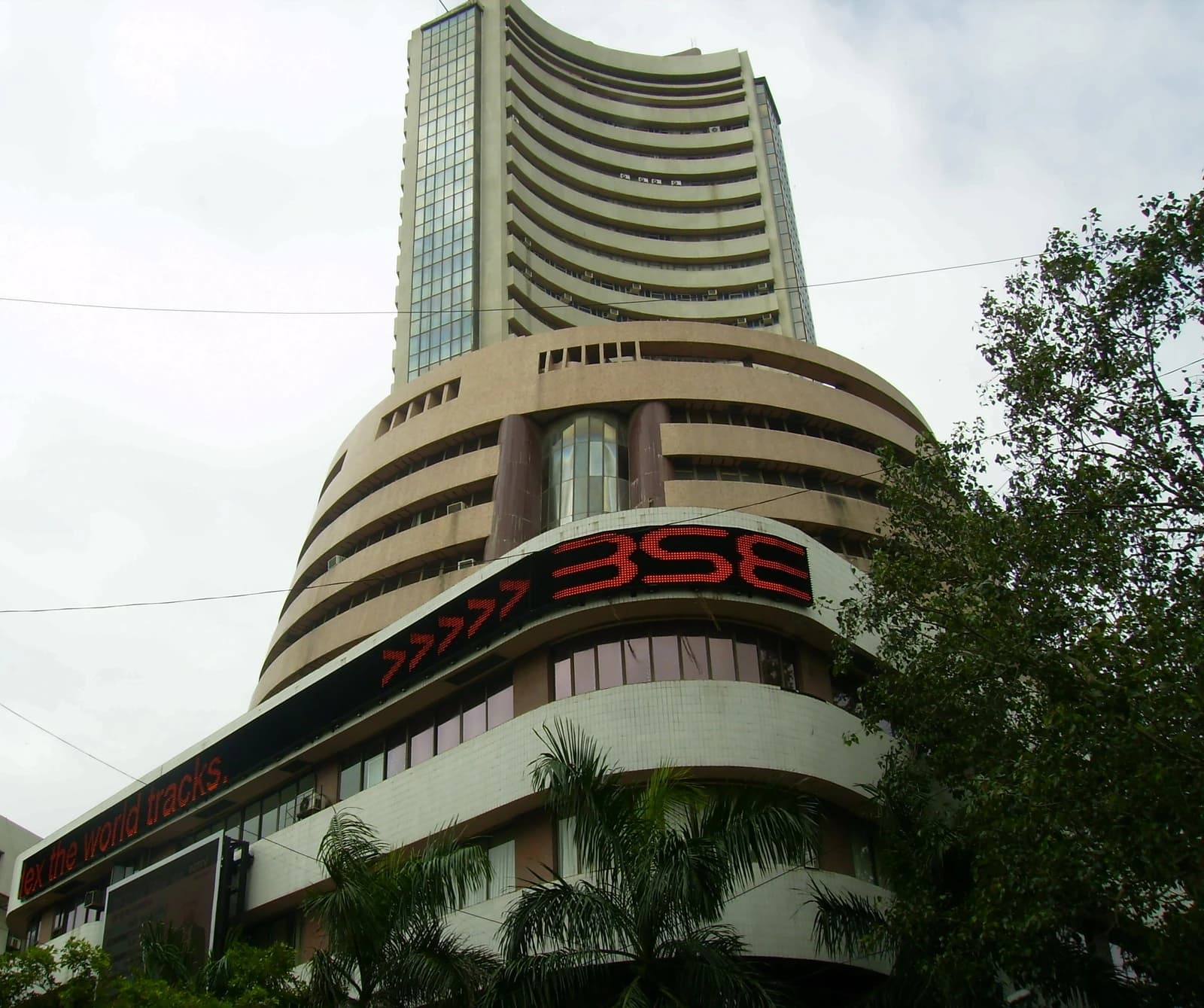
Bursa Malaysia ended fractionally higher on Friday as bargain hunters stepped in after recent selling, but the rebound lacked conviction with investors still reluctant to chase risk ahead of key U.S. labor data.
Bursa Malaysia edges higher on bargain hunting
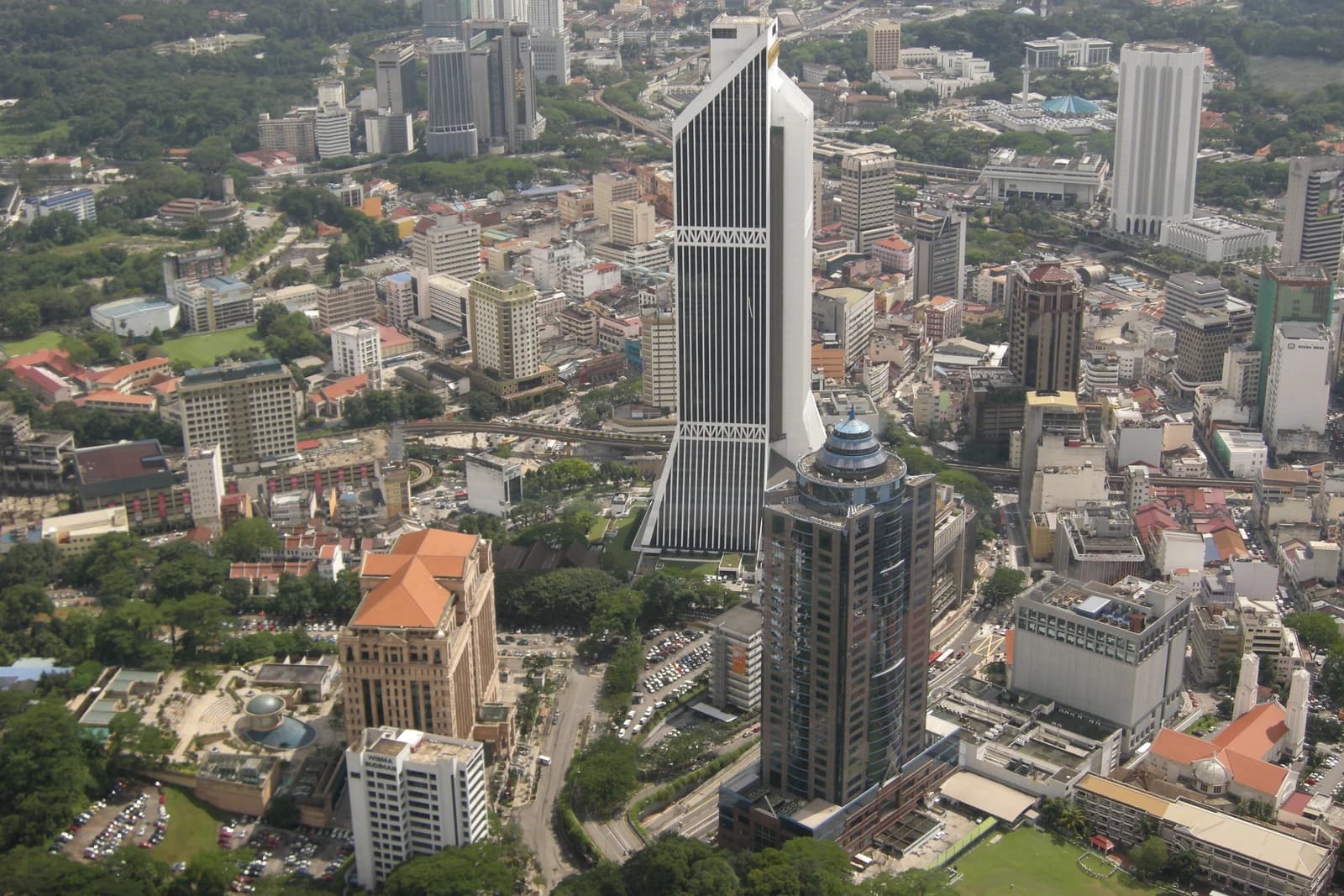
The FTSE Bursa Malaysia KLCI added 0.51 point, or 0.03%, to 1,630.87, after trading between 1,630.63 and 1,640.78. The move matters less for the headline gain itself than for what it says about positioning: valuations have become attractive enough to trigger selective accumulation, even as global rates, oil prices and external uncertainty keep Malaysia’s market in a defensive stance.
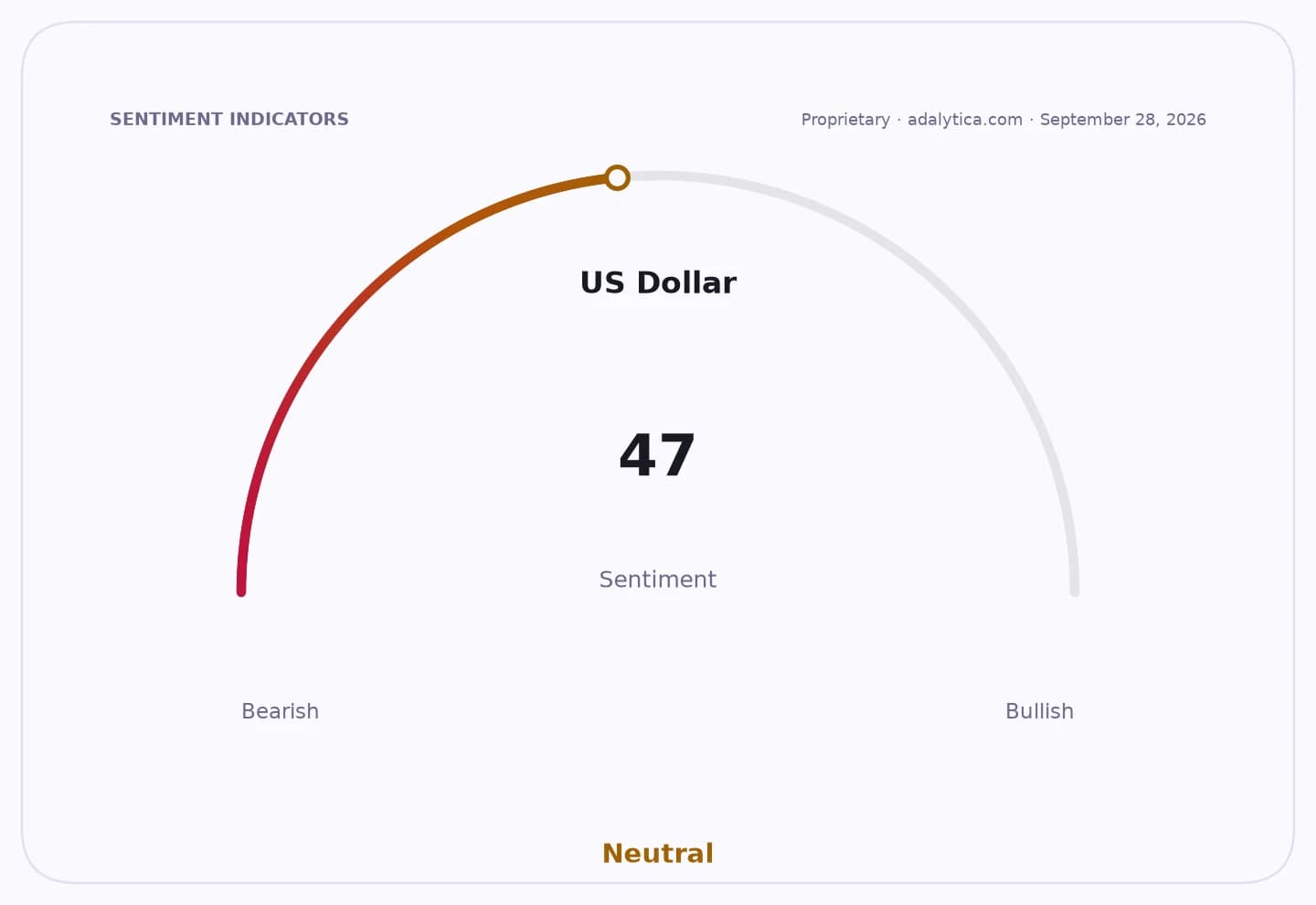
Sentiment IndicatorsⓘProprietary · adalytica.com · October 2, 2026
This is a snapshot — live sentiment, awareness and momentum for 130+ markets update continuously in the dashboard.Open AlphaPulse

That is the core investor takeaway. When a market rallies on stock hunting rather than fresh macro optimism, it usually means sellers have been exhausted in the near term, but buyers are still waiting for a clearer catalyst. In this case, that catalyst may need to come from outside Malaysia — particularly U.S. employment data, which could move Treasury yields, the dollar and broader emerging-market appetite.
Rakuten Trade’s Thong Pak Leng said the recent selloff had made blue-chip valuations more compelling, encouraging staged accumulation. But he also pointed to persistent caution around bond yields and crude prices, which remain high enough to keep portfolio managers from leaning aggressively into risk.
The sector tape reinforced that message. Technology names led trading activity, while financials were softer and energy slipped, a mix that suggests investors are rotating into pockets of relative value rather than embracing the broader market. Heavyweights such as Maybank and Tenaga Nasional managed gains, while Public Bank and CIMB were weaker. Among the day’s standout movers, Malaysian Pacific Industries, UWC and ViTrox surged, showing how quickly money can return to beaten-down semiconductor-linked names when sentiment improves even modestly.
The market’s breadth was positive, with gainers outnumbering losers 585 to 541, and volume rose to 4.23 billion shares from 3.1 billion the day before. That kind of turnover tells you traders are engaged, but not necessarily committed for the long term. On technical measures, the index remains well below its 50-day and 200-day moving averages, and the recent drop in RSI readings shows the market is still in recovery mode rather than a confirmed uptrend.
For investors, that makes Bursa Malaysia a selective opportunity, not a broad-market breakout. The best risk-adjusted plays are likely to be the pockets where earnings visibility and valuation support intersect — semiconductors, industrials and some defensive yield names — rather than the index as a whole. If global bond yields ease and U.S. labor data calms recession fears, Malaysia could attract another round of bargain buying. If not, this looks more like a tradable bounce than the start of a durable rerating.
| Entity | Gains | Losses |
|---|---|---|
| Bargain hunters | ▲Cheaper entry points | ▼Need patience for catalyst |
| Bursa Malaysia blue chips | ▲Selective inflows | ▼Broad rerating hopes |
| Semiconductor and industrial names | ▲Strong rebound demand | ▼Volatile sentiment |
| Defensive bond-sensitive sectors | ▲Relative stability | ▼Risk-off rotation pressure |