BYD’s Fang Cheng Bao brand has launched the Formula S and Formula S GT in China, adding a high-performance electric sedan and shooting brake aimed squarely at a crowded premium EV market where range, charging speed and software now matter as much as horsepower.
BYD Fang Cheng Bao launches Formula S and S GT
The new models underline how China’s EV fight is moving beyond price cuts and into feature-led competition. Fang Cheng Bao is pitching the cars as alternatives to the Xiaomi SU7 and Tesla Model 3, pairing a top AWD output of 657 horsepower with a CLTC range of up to 900 km and ultra-fast charging that can take the battery from 10% to 70% in about five minutes, according to the company.
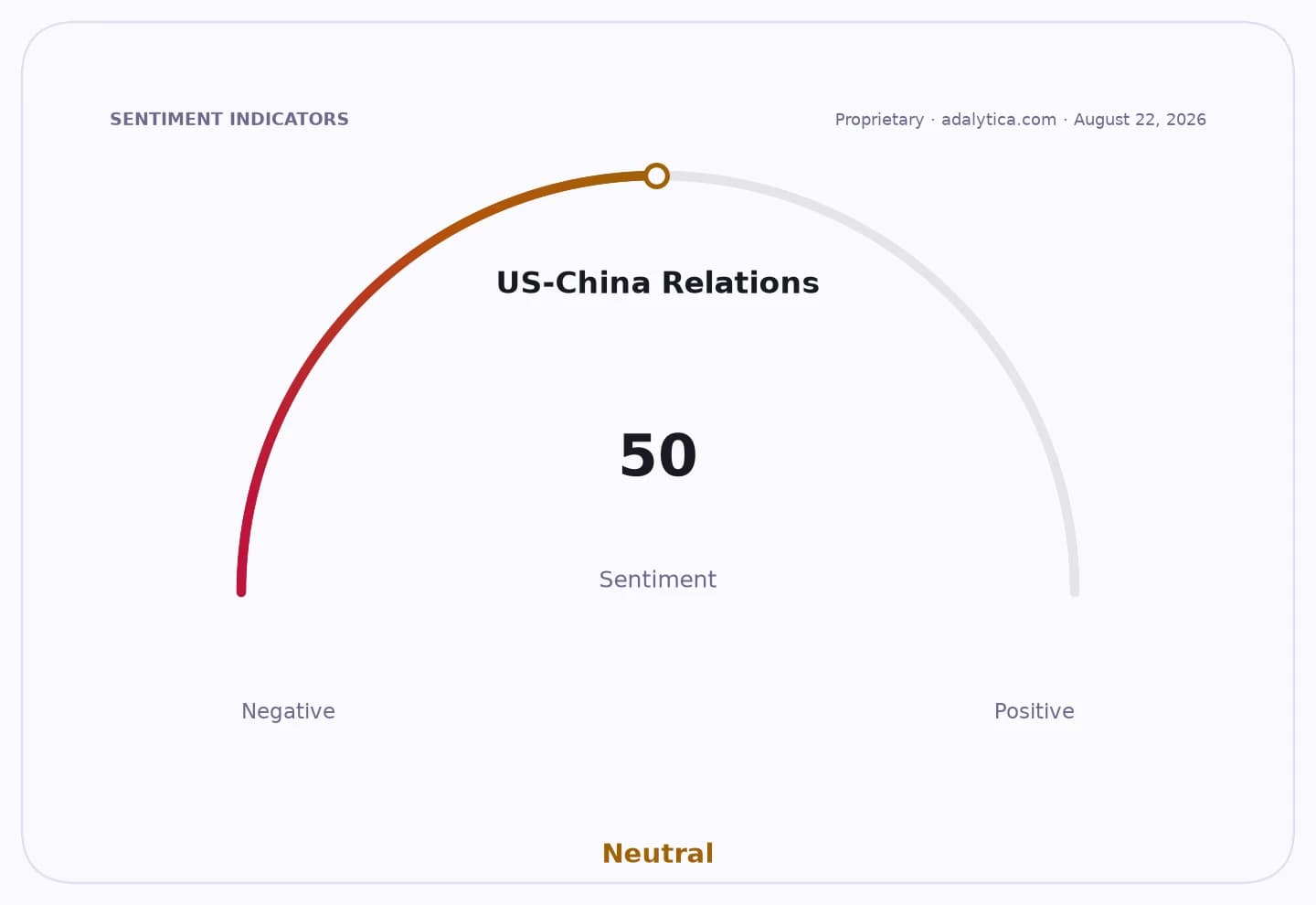
Sentiment IndicatorsⓘProprietary · adalytica.com · September 19, 2026
This is a snapshot — live sentiment, awareness and momentum for 130+ markets update continuously in the dashboard.Open AlphaPulse
Pricing starts at 189,900 yuan to 229,900 yuan for the Formula S and 219,900 yuan to 239,900 yuan for the Formula S GT, or roughly 736.49 million dong to 930.40 million dong. That puts the cars below many imported performance EVs while still giving BYD another product to defend share in China’s increasingly segmented battery-electric market.
The launch also shows BYD leaning harder into technology differentiation. Both models use the DiSus-M magnetic suspension system, which the company says adjusts damping in milliseconds, and are equipped with LiDAR-based driver-assistance features for highway and urban NOA functions. Inside, the cars feature a 26-inch AR head-up display, Devialet audio and modular cabin hardware that can be reconfigured with accessories.
For investors, the key question is whether BYD can keep expanding volume without sacrificing margin in a market where rivals are chasing the same buyers with faster charging, longer range and more software-heavy cabins. Fang Cheng Bao’s push into high-performance EVs gives BYD another growth lane, but it also deepens competition with Tesla and domestic challengers as China’s carmakers race to win on both price and product specification.
BYD’s U.S.-listed shares have been under pressure in recent months, with technical readings on both BYDDF and BYDDY still below their 200-day moving averages. The stock is also trading near levels that have left momentum indicators soft, while Tesla shares remain well above BYD’s U.S. listings in market value and continue to set the pace for performance EVs globally.
The next catalyst will be whether Fang Cheng Bao can translate the headline specs into real showroom demand and deliveries, and whether BYD uses the launch to reinforce its premium position without worsening the pricing pressure already hanging over China’s EV sector.
| Entity | Gains | Losses |
|---|---|---|
| BYD / Fang Cheng Bao | ▲Broader premium EV lineup | ▼Higher competition and execution risk |
| Chinese EV buyers | ▲More range and faster charging | ▼Faces crowded model choices |
| Tesla | ▲Benchmark pressure on Model 3 | ▼Share risk in China premium EVs |
| Xiaomi EV | ▲Bigger category validation | ▼Direct competition from new Fang Cheng Bao models |