California is moving to squeeze more electricity out of homes and batteries while putting a tighter leash on utility profits, a shift that could reset how the state pays for grid upgrades and who gets paid to provide them.
California energy bills target utilities and home batteries
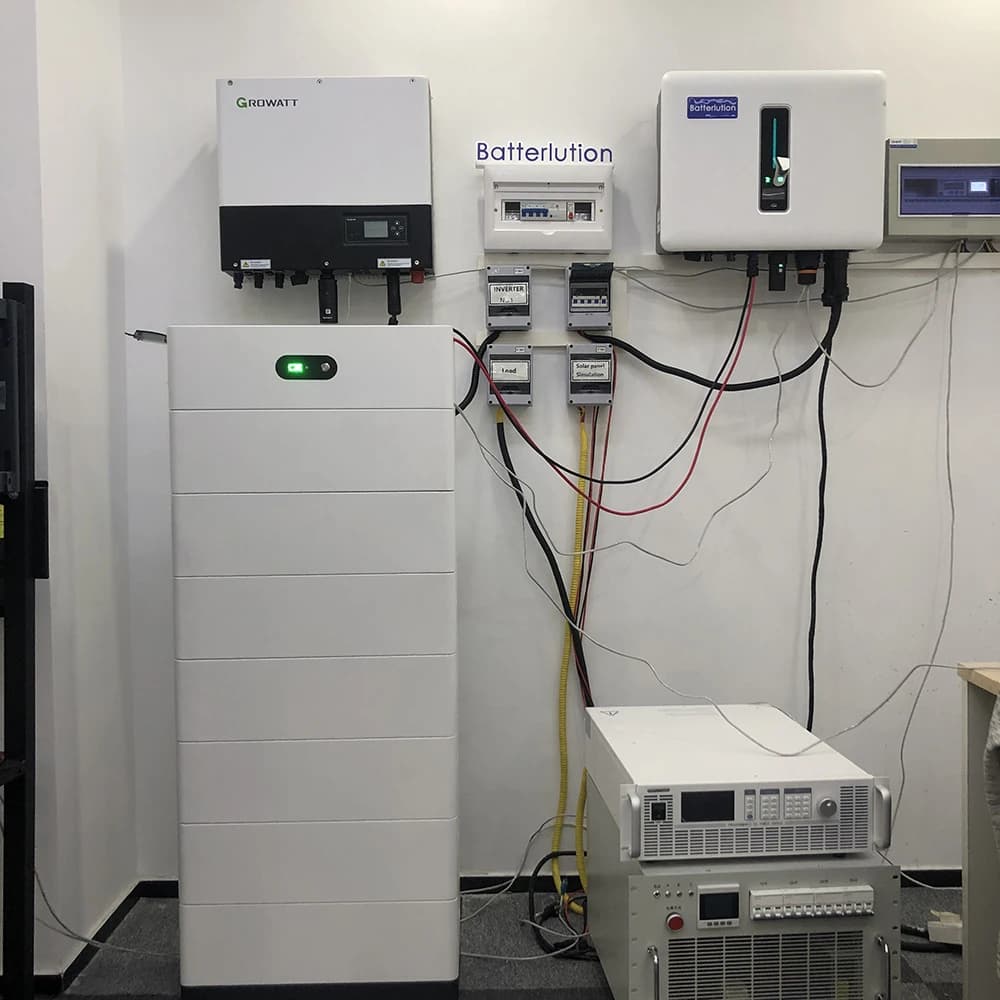
Gov. Gavin Newsom’s signature on a package of energy bills marks one of the most consequential interventions in California’s power market in years. The laws are designed to slow the utility-led buildout that has helped drive some of the nation’s highest electricity bills and replace part of it with distributed resources already sitting behind customers’ meters — rooftop solar, home batteries, electric vehicle chargers and smart thermostats.
Sentiment IndicatorsⓘProprietary · adalytica.com · October 2, 2026
This is a snapshot — live sentiment, awareness and momentum for 130+ markets update continuously in the dashboard.Open AlphaPulse
For investors, that is the key inflection point. California is not just encouraging cleaner energy; it is trying to redirect capital away from traditional rate-base expansion and toward customer-owned assets that can function as a virtual power plant. If the state succeeds, the long-term winners are battery makers, inverter suppliers, software platforms, distributed-energy aggregators and residential solar installers. The losers are utilities and, potentially, the infrastructure spending model that has underpinned their earnings growth.
One of the centerpieces, SB 913, tells the California Public Utilities Commission to create a pathway by June 30, 2027, for separate devices to be aggregated and used to export electricity during peak demand. That matters because California’s grid is increasingly strained by heat waves, electrification and wildfire-related reliability costs, and the cheapest new kilowatt is often the one already installed in a home. By letting those resources participate more fully in the grid, Sacramento is effectively creating a market for flexibility rather than only for steel-and-concrete infrastructure.
A companion law goes even further by legalizing plug-in solar panels, sometimes called balcony solar, which are already common in parts of Europe and gaining traction in other states. For renters and apartment dwellers, that opens a new consumer market. For the broader system, it expands the pool of small-scale generation that can reduce peak demand and delay expensive utility upgrades. In a state where affordability is becoming as politically important as decarbonization, that is a powerful combination.
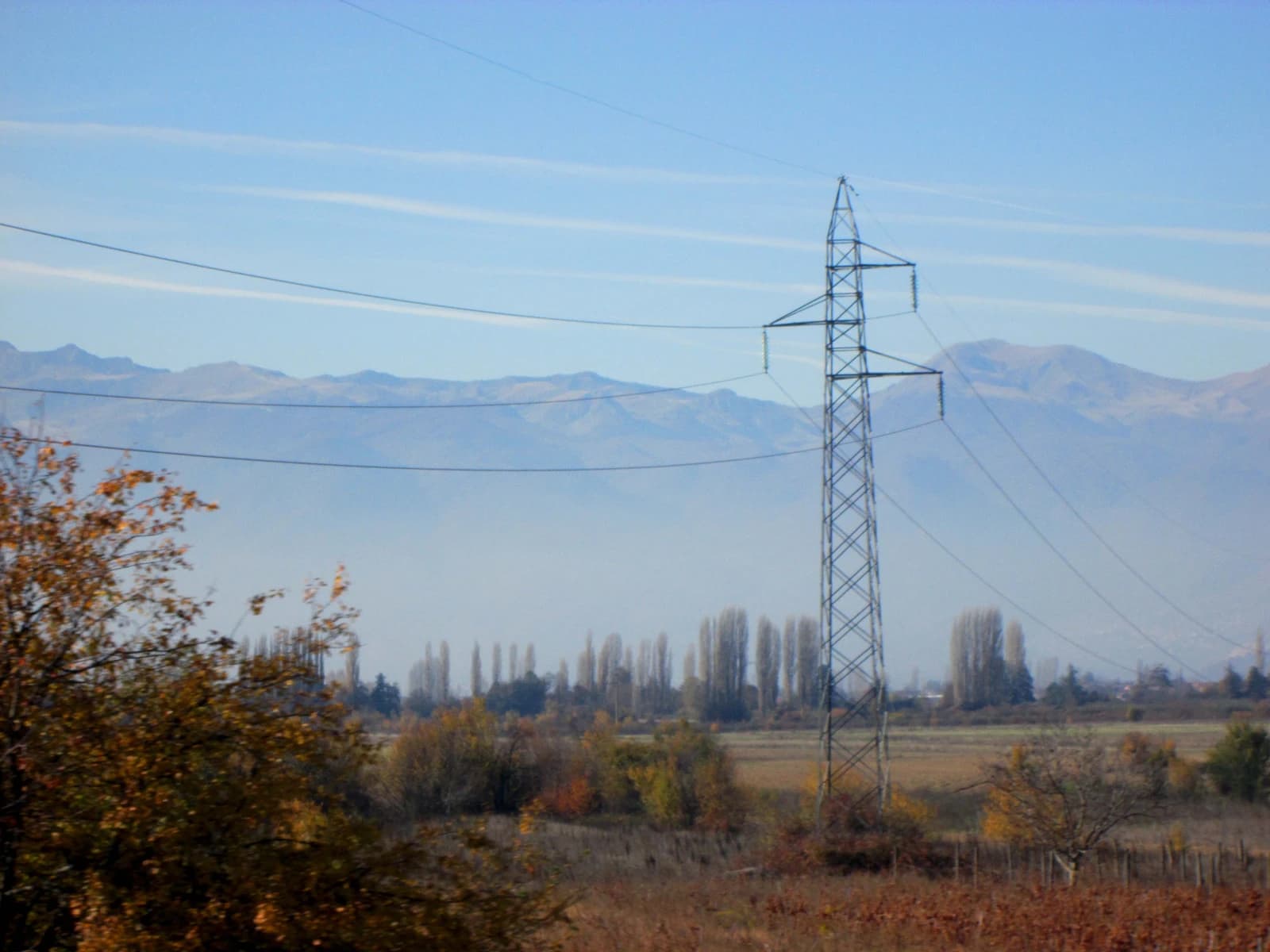
The more direct challenge to utility economics comes from SB 905, which tells regulators to consider lowering profits on lower-risk investments such as undergrounding power lines. Utilities in California often earn returns of 9% or 10% on new transmission projects, so even a modest rethink of allowed returns could hit future earnings growth. Pacific Gas & Electric and Southern California Edison both warned that the move could discourage the investments needed to maintain reliability and serve rising demand. That is exactly the tension investors need to watch: California wants lower bills now, but utilities argue the system still needs heavy spending to stay resilient.
The market reaction has already reflected that uncertainty. Edison International, parent of Southern California Edison, has seen its shares rebound from a sharp late-summer selloff but remain well below earlier 2026 levels, while PG&E has also given back a large chunk of its summer gains. That is the kind of price action you often see when policy risk begins to compete with the traditional utility appeal of stable, regulated returns. Technical readings on those stocks have also weakened, with Edison below its 200-day average and PG&E trading far under its own 50-day trend, a sign that investors are still digesting the policy hit.
The bigger story is that California is trying to build a more decentralized grid at the same time it is capping the economics of the old one. That makes the state a test case for the next phase of the energy transition: not just more renewables, but more control, more software and more monetization of household assets. If that model spreads, the investment opportunity shifts away from owning the wires and toward owning the devices, the platforms and the demand-response infrastructure that can turn millions of homes into a grid asset.
The political backdrop only reinforces the shift. Newsom also signed measures aimed at limiting future coal export projects and blocking state waters from supporting new federal offshore oil leases, underscoring that California intends to fight both higher fossil-fuel production and higher utility costs at the same time. That keeps the policy environment firmly tilted toward electrification, clean distributed energy and local control — exactly the mix that can unlock a multi-year growth runway for the right companies.
| Entity | Gains | Losses |
|---|---|---|
| Home batteries / DER aggregators | ▲New grid revenue streams | ▼Utility monopoly pricing power |
| Residential solar installers | ▲Bigger customer market | ▼Traditional utility buildout model |
| PG&E / Southern California Edison | ▲Some grid support from DERs | ▼Lower allowed returns, weaker earnings growth |
| California ratepayers | ▲Lower bills, more choice | ▼Less utility investment-driven expansion |