Cao Bang is leaning hard on public investment, infrastructure and easier project delivery to reach a 10% GRDP growth target in 2026, even though the province is still running below plan after nine months. That gap matters because for a frontier northern province, hitting growth targets is not just a statistical exercise: it determines how quickly roads, schools, mining projects and border trade can translate into jobs, private capital and long-term earnings power.
Cao Bang boosts public investment for 2026 growth
The province said GRDP rose 7.96% in the first nine months of the year, with third-quarter growth at 8.93%, still short of the full-year goal. Officials have responded by assigning specific responsibilities to each agency and locality, insisting on “clear people, clear work, clear progress, clear results” as they try to close the shortfall in the final quarter.
For investors, the real story is the pipeline of capital spending. Cao Bang said public investment disbursement reached 3,744.2 billion dong in the first nine months, equal to 32.7% of plan, and it expects that pace to improve as newly assigned funds are deployed. The province received 4,324 billion dong in August for the Bac Kan-Cao Bang expressway project and another 1,327 billion dong late in the year for new boarding schools in border areas. Those projects should lift disbursement and support construction demand, materials consumption and local employment.
The expressway plans are especially important. The Bac Kan-Cao Bang road, designed as a four-lane project with total investment of 29.3 trillion dong and a 2026-2029 construction window, could tighten Cao Bang’s links to the rest of the country and strengthen its logistics profile over time. That is the kind of infrastructure upgrade that can change a provincial economy’s trajectory, especially in a border location where transport costs and market access have long been constraints.
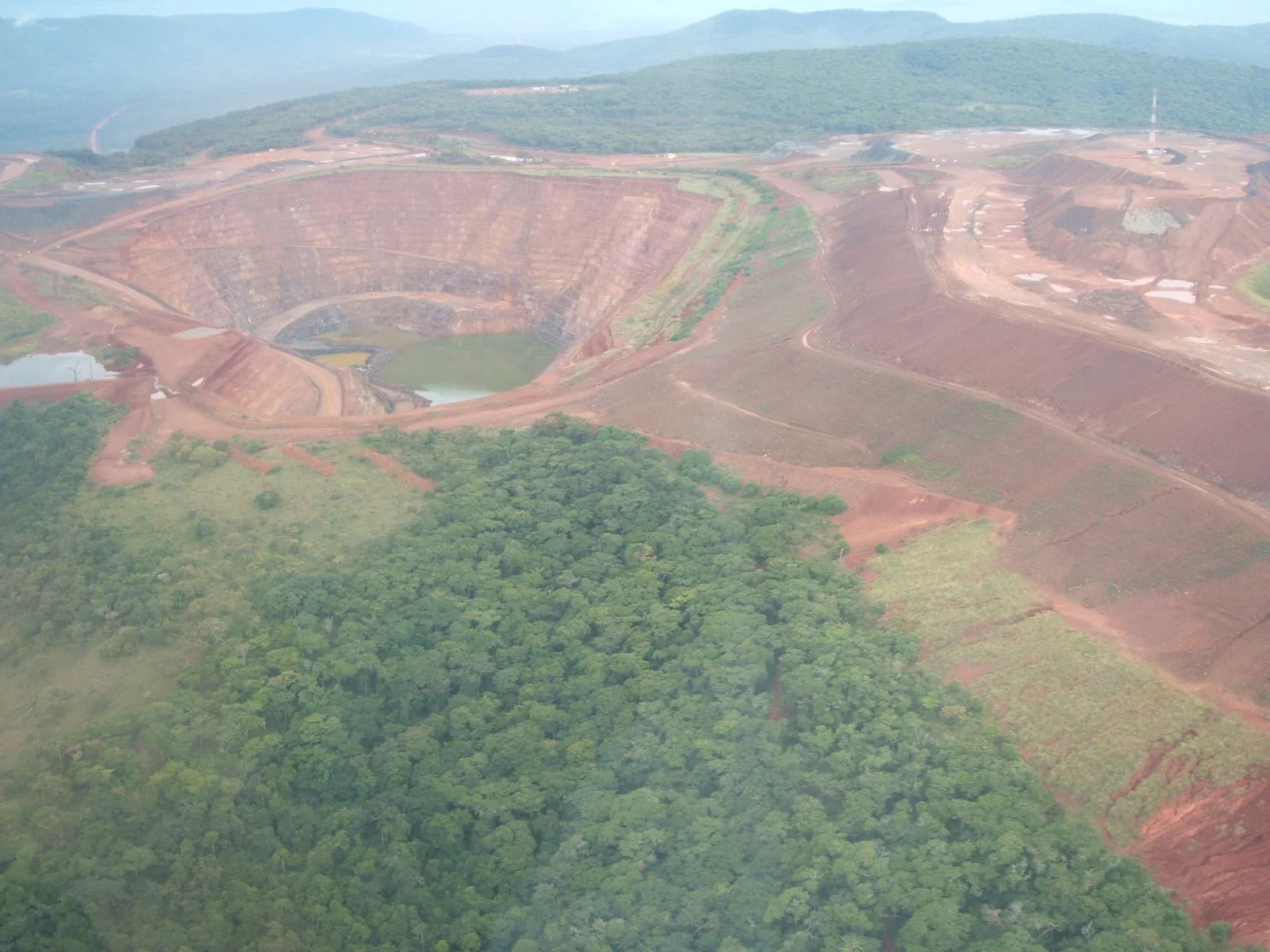
Cao Bang is also pushing to remove bottlenecks in land clearance and project execution. Authorities highlighted progress on a 21-hectare site for the Nà Rụa iron ore area, where 443 households have completed the appraisal and handover steps. Faster land acquisition can be just as important as the headline investment figures, because delayed compensation and permitting often determine whether capital budgets become real economic activity.
The broader investment case here is straightforward. If Cao Bang can accelerate disbursement, keep major transport projects on schedule and improve the business climate, it can turn a middling nine-month performance into stronger year-end growth. For long-term investors, that matters less as a trade and more as a reminder that Vietnam’s next wave of opportunity is not limited to the big urban centers. Provincial infrastructure build-outs, border logistics and resource-linked projects can create durable winners in construction, materials, transport and local services.
The main risk is execution. A 10% target is ambitious, and the province still has to overcome slower-than-planned growth, administrative bottlenecks and the practical challenges of getting money out the door before year-end. But if the current push works, Cao Bang could enter 2027 with better roads, better connectivity and a stronger base for compound growth. That is worth watching closely.
| Entity | Gains | Losses |
|---|---|---|
| Cao Bang province | ▲Faster GRDP growth | ▼Missed 10% target if execution slips |
| Construction and materials firms | ▲More public works demand | ▼Delayed disbursement |
| Border trade and logistics businesses | ▲Better transport links | ▼Higher operating bottlenecks |
| Local households and workers | ▲Jobs and improved access | ▼Slow project rollout |