U.S. stock markets just got a new derivatives product that could change how traders hedge, speculate and discover prices for individual names: perpetual futures that never expire.
CFTC approves perpetual futures for U.S. stocks
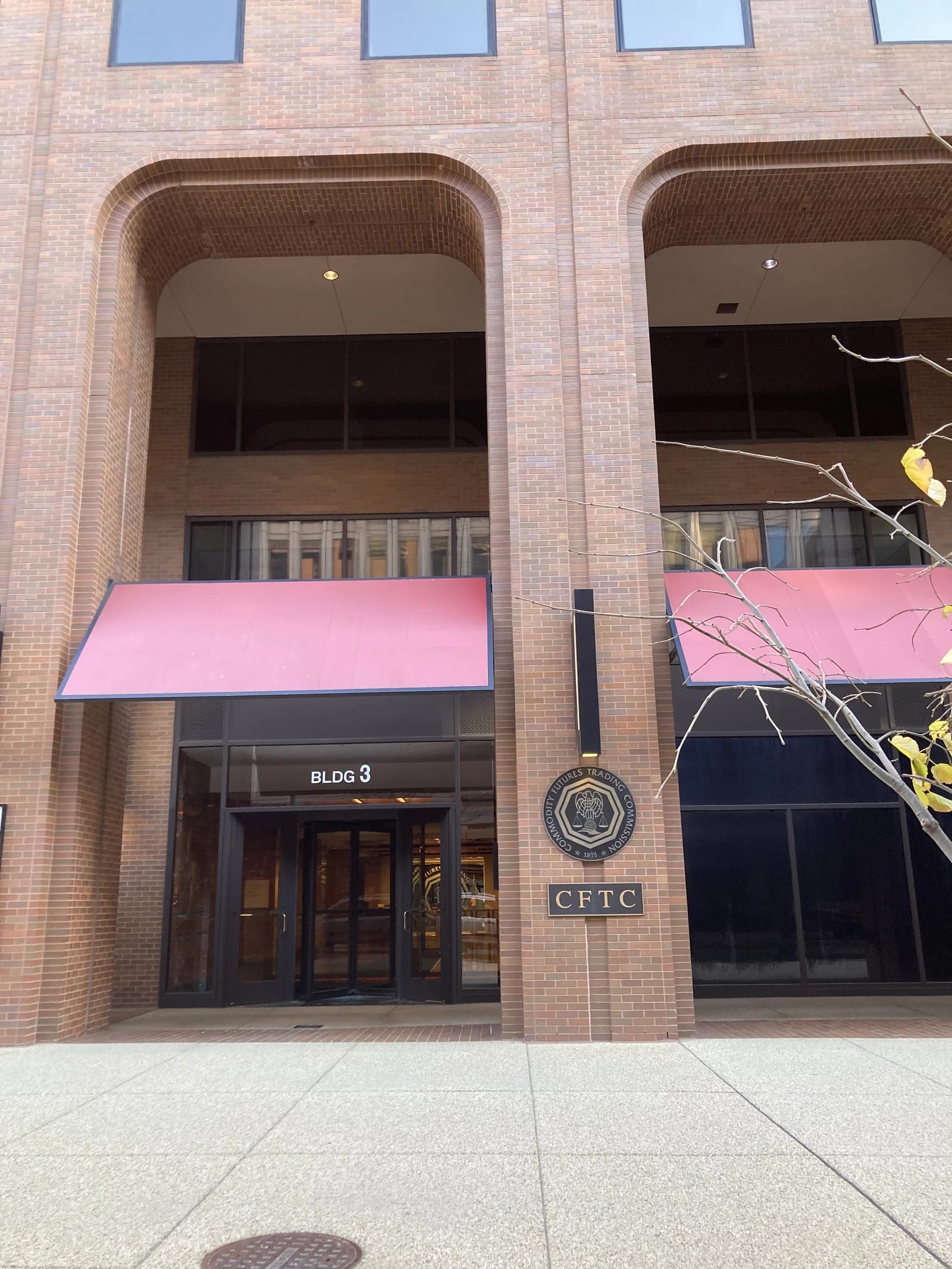
The Commodity Futures Trading Commission said perpetual contracts tied to stocks can now trade on CFTC-registered exchanges, opening the door for a crypto-style market structure that has until now been mostly associated with bitcoin and other digital assets. For investors, the significance is not the gimmick of a contract with no expiration date. It is the possibility that more U.S. stock risk moves into a 24/7, leveraged, tightly hedged market ecosystem that could deepen liquidity and improve price discovery — while also increasing the amount of speculation around equities.
Sentiment Indicators
This is the first time such contracts can trade on CFTC-registered venues, and it matters because it helps resolve a long-running regulatory mismatch between securities and futures law. Stocks sit under the Securities and Exchange Commission, futures under the CFTC, and products that blend the two have often been stuck in regulatory limbo. CFTC Chairman Michael S. Selig said the contracts had been stranded in a “no man's land,” while the agency now says they can be approved as security futures products, putting them under both regulators' rules.
That dual approval is the real story here. It gives exchanges a pathway to list instruments that traders have long wanted for rapid risk management and price discovery, two functions that matter whenever volatility is high and investors need to hedge without buying or selling the underlying shares. The CFTC is also trying to keep American trading activity onshore. Selig argued that without U.S. options, traders would be pushed toward offshore, often unregulated venues.
For investors, this is another sign that the boundary between traditional markets and crypto market design is blurring. Perpetual futures became popular in digital assets because they let traders hold a view indefinitely, use leverage and react quickly to price swings. Bringing that structure into U.S. equities could appeal to institutions, active traders and market makers looking for more flexible hedging tools. It could also draw more volume into listed derivatives tied to the country’s biggest stocks and indexes, potentially tightening spreads and sharpening the link between cash prices and futures.
The timing is notable too. U.S. stock benchmarks have been volatile, and technical readings on the S&P 500 and Nasdaq-100 show recent pressure after strong rallies earlier in the year. At the same time, market sentiment around equities remains mixed while awareness of trading activity is elevated, suggesting investors are already paying close attention to risk management tools. In that environment, a new futures structure aimed at efficiency and hedging has a better chance of attracting real demand.
There are still a lot of unanswered questions. The CFTC did not say which exchanges will list the contracts first, which stocks will be included or when trading will begin. That means the immediate impact on portfolios will be limited. But the direction of travel is clear: U.S. markets are moving toward faster, more flexible derivatives that could eventually sit alongside options and traditional futures as another tool for managing equity exposure.
Long term, that could be good for market depth and bad for complacency. Perpetual futures tend to reward precision, speed and discipline, not passive trading. For investors who focus on years, not days, the bigger takeaway is that regulated U.S. markets are adapting to demand that first emerged in crypto and is now spreading into stocks. That is worth watching closely, especially if exchanges begin building out products around the most liquid names in the market.
| Entity | Gains | Losses |
|---|---|---|
| U.S. exchanges | ▲New derivatives volume | ▼Regulatory complexity |
| Active traders | ▲More hedging tools | ▼Higher leverage risk |
| U.S. investors | ▲Better price discovery | ▼More speculation |
| Offshore venues | ▲Less appeal | ▼Lost trading flow |