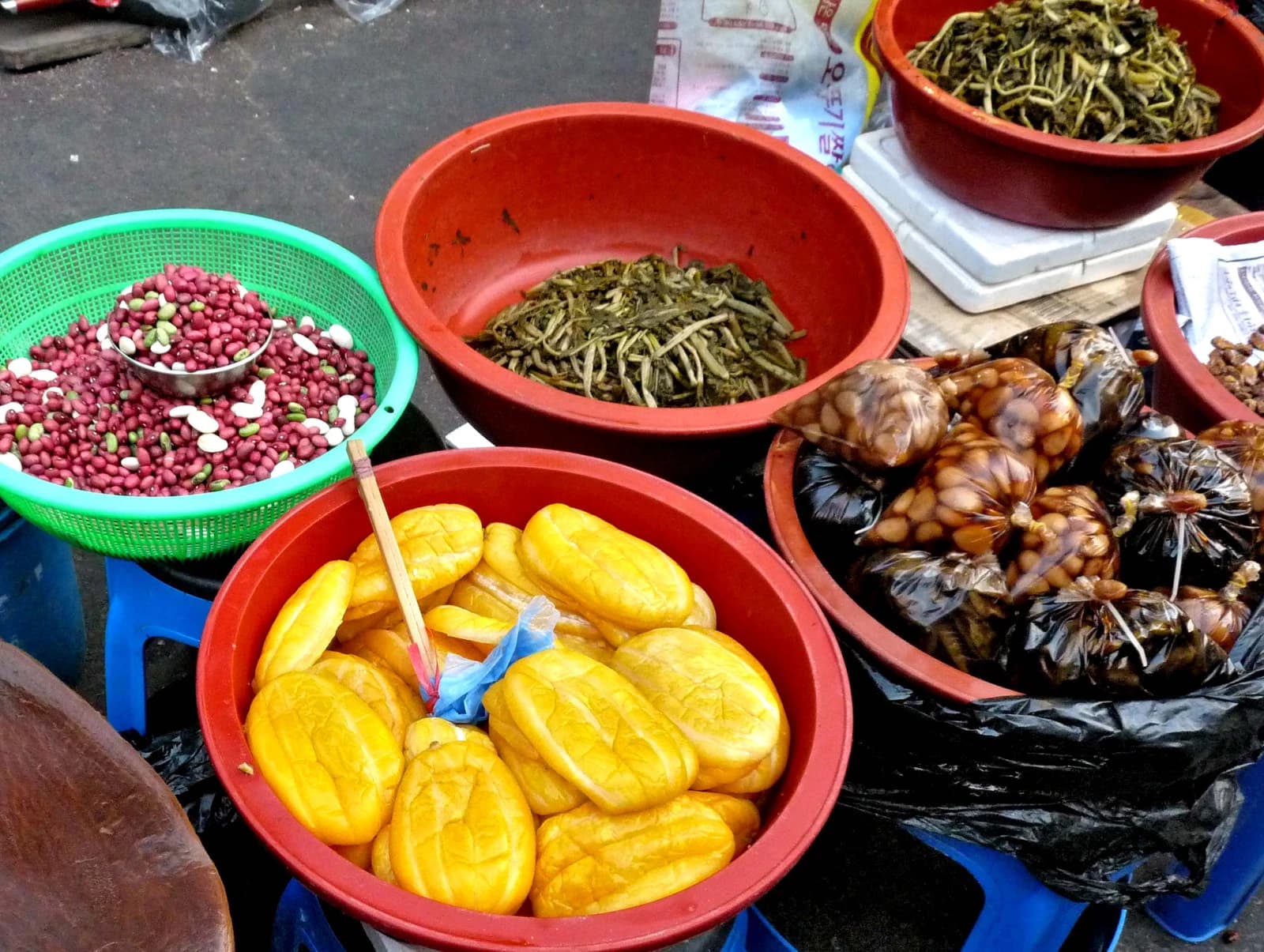
In N’Djamena, the humble cucumber stall is becoming one of the capital’s most practical answers to unemployment, turning street vending into a low-barrier business that can put young Chadians to work faster than the formal economy can.
Chad street vending growth in N'Djamena
That matters because Chad is not just dealing with a jobs problem, it is facing a demographic pressure test. When formal hiring cannot keep up with the number of young people entering the labor market, informal trade becomes a shock absorber. For households, a small daily cash flow can be the difference between subsistence and instability. For the broader economy, it is a sign that entrepreneurship is being driven by necessity rather than policy support — a pattern that can sustain consumption at the margins, even as it exposes how weak wage employment remains.
The cucumber trade fits that reality. It requires little start-up capital, turns over quickly and can be run by workers shut out of more established sectors. In cities across emerging markets, the same model has helped cushion urban unemployment, particularly where access to credit, logistics and industrial jobs is limited. In N’Djamena, the appeal is obvious: for many young vendors, street produce sales can generate immediate income without waiting for permits, payrolls or formal recruitment cycles.
For investors and development finance watchers, the story is not about cucumbers so much as the structure of the local economy. A city where street vendors are “lucrative” is a city where informal distribution networks matter more than many balance sheets show. That has implications for food suppliers, transport operators, microfinance providers and any company or institution trying to reach consumers at the base of the income pyramid. It also underlines the scale of the unmet need for small-business finance, market infrastructure and urban regulation that does not simply push vendors off the pavement.
The risk is that this kind of growth is fragile. Informal trade can absorb unemployment, but it rarely creates the productivity gains needed to lift incomes sustainably. Without broader investment in agriculture supply chains, storage, transport and urban market space, cucumber stalls will remain a coping mechanism rather than a pathway to scale. Even so, in a country where youth unemployment can quickly become a social and political fault line, the expansion of street vending is a signal that small, cash-generating businesses will continue to carry more weight than policymakers may want to admit.
For now, the investable takeaway is clear: the market underestimates the economic importance of informal retail in low-income African capitals. The next gains are likely to accrue not to the vendors alone, but to the toll-road businesses around them — wholesalers, parcel transporters, payment facilitators and basic consumer suppliers that can monetize the daily flow of street commerce.
| Entity | Gains | Losses |
|---|---|---|
| Street vendors in N’Djamena | ▲Quick income, low entry barrier | ▼No job security |
| Unemployed youth | ▲Immediate self-employment | ▼Wage job prospects |
| Local wholesalers and transporters | ▲More produce turnover | ▼Formal retailers |
| City authorities | ▲Social pressure relief | ▼Less formal tax capture |