The gap between Chase’s two flagship travel cards has widened sharply, forcing consumers to decide whether premium perks still justify premium pricing.
Chase Sapphire Reserve fee rises to $795
That is the central takeaway from Chase’s newly positioned Sapphire Reserve, which now carries a $795 annual fee versus $95 for the Sapphire Preferred. The jump makes the Reserve one of the most expensive mass-market travel cards and turns what was already a choice between value and luxury into a more pointed test of how much travel credit cardholders can actually use.
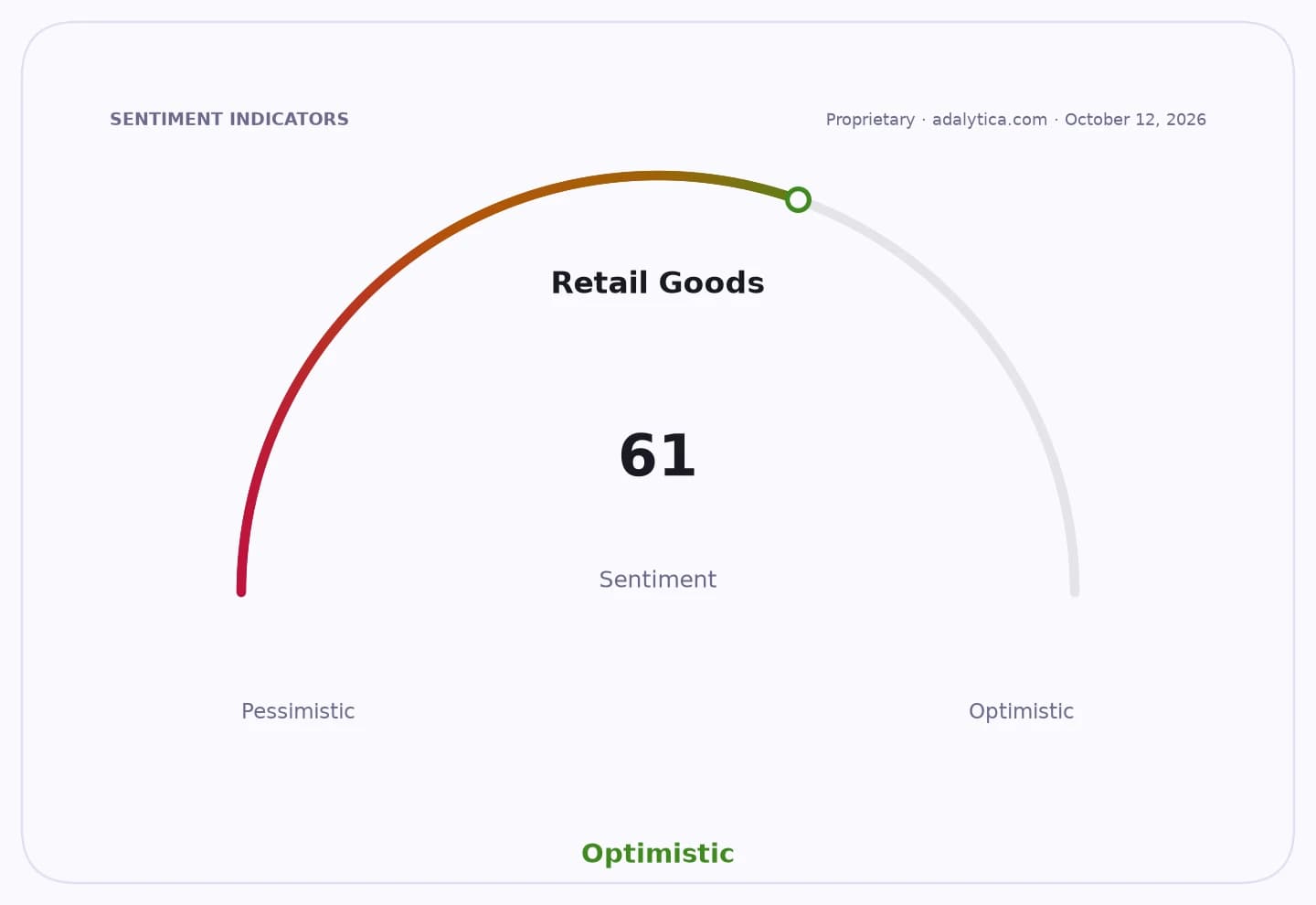
Sentiment IndicatorsⓘProprietary · adalytica.com · October 12, 2026
This is a snapshot — live sentiment, awareness and momentum for 130+ markets update continuously in the dashboard.Open AlphaPulse
Economically, the higher fee reflects a broader shift in the travel rewards business: banks are leaning harder on affluent customers who generate more spend, while shrinking the universe of cardholders for whom a premium product clears the break-even hurdle. For JPMorgan Chase, that model can be attractive because premium users tend to revolve less, spend more on travel and dining, and engage heavily with the bank’s ecosystem of points transfers, lounge access and booking platforms. But it also raises the stakes on retention, since consumers are increasingly sensitive to annual fees that no longer look modest once the credits are stripped out.
The Reserve’s case rests on economics that are simple but not cheap. Chase says cardholders can offset some of the fee with up to $300 in annual travel credit, plus lounge access, dining credits, elite hotel status and a long list of lifestyle benefits including Apple TV and Apple Music subscriptions, StubHub credits and Lyft credits. The card also offers stronger earning on Chase Travel, with up to 8x points on travel booked through the portal and 4x on flights and hotels booked direct, compared with the Preferred’s 5x and 2x structures. On redemption, Reserve holders can get up to 2x value on certain bookings through Chase Travel, versus up to 1.5x for Preferred customers.
But the Preferred remains the more economically rational choice for most consumers, which is why it is still the cleanest answer for travelers who want value without paying for a premium lifestyle package. The $95 annual fee is easier to offset, the welcome offer is strong at 75,000 bonus points after $5,000 in spend, and the card covers practical spending categories such as dining, gas, online groceries and streaming. For households that travel a few times a year rather than every month, that broader everyday utility may matter more than lounge access or hotel status.
For investors, the story matters because it shows how card issuers are defending margins in a rewards market that has become more expensive to run. JPMorgan has already disclosed that rewards costs and partner payments have been pressuring card economics, even as card revenues and revolving balances have remained supportive. Higher annual fees and more tightly targeted benefits help offset those costs, but they also sharpen competition with rivals such as American Express and Capital One, which are pursuing similar premium-card strategies at lower or comparable price points.
The bull case for the Reserve is that affluent travelers will pay for convenience, especially if they can extract full value from credits and travel redemptions. The bear case is that many consumers will do the math and conclude that the Preferred delivers most of the same utility for a fraction of the price, especially once transfer-partner flexibility is factored in. That leaves the Reserve appealing mainly to heavy travelers who value airport access, premium hotel treatment and booking credits enough to justify the outlay.
The broader narrative is that travel cards are splitting into two camps: a lower-fee product built for practical rewards accumulation, and a high-fee product designed to monetize loyalty among high-spending customers. For Chase, the task is to keep both cards relevant without cannibalizing one with the other. For consumers, the decision now comes down to usage discipline: if the credits, lounges and higher redemption values will be fully used, the Reserve can still work. If not, the Preferred is the cleaner trade.
| Entity | Gains | Losses |
|---|---|---|
| Chase Sapphire Reserve cardholders | ▲Premium travel perks | ▼High annual fee |
| Chase Sapphire Preferred cardholders | ▲Lower cost, broad rewards | ▼Fewer luxe benefits |
| JPMorgan Chase | ▲Higher-fee premium revenue | ▼Higher rewards costs |
| Competitor premium cards | ▲Comparison shopping demand | ▼Some fee-sensitive applicants |