People are turning to ChatGPT and other chatbots for divorce, custody and prenup advice, and family lawyers say the result is more conflict, more bad filings and more time spent undoing AI-generated mistakes that judges often reject.
ChatGPT Divorce Advice Creates Family Court Errors
The problem is not just that the bots get law wrong. In family cases, where facts are contested and emotions run hot, AI can confidently repeat one side’s narrative without checking the documents that decide custody, support or property splits.
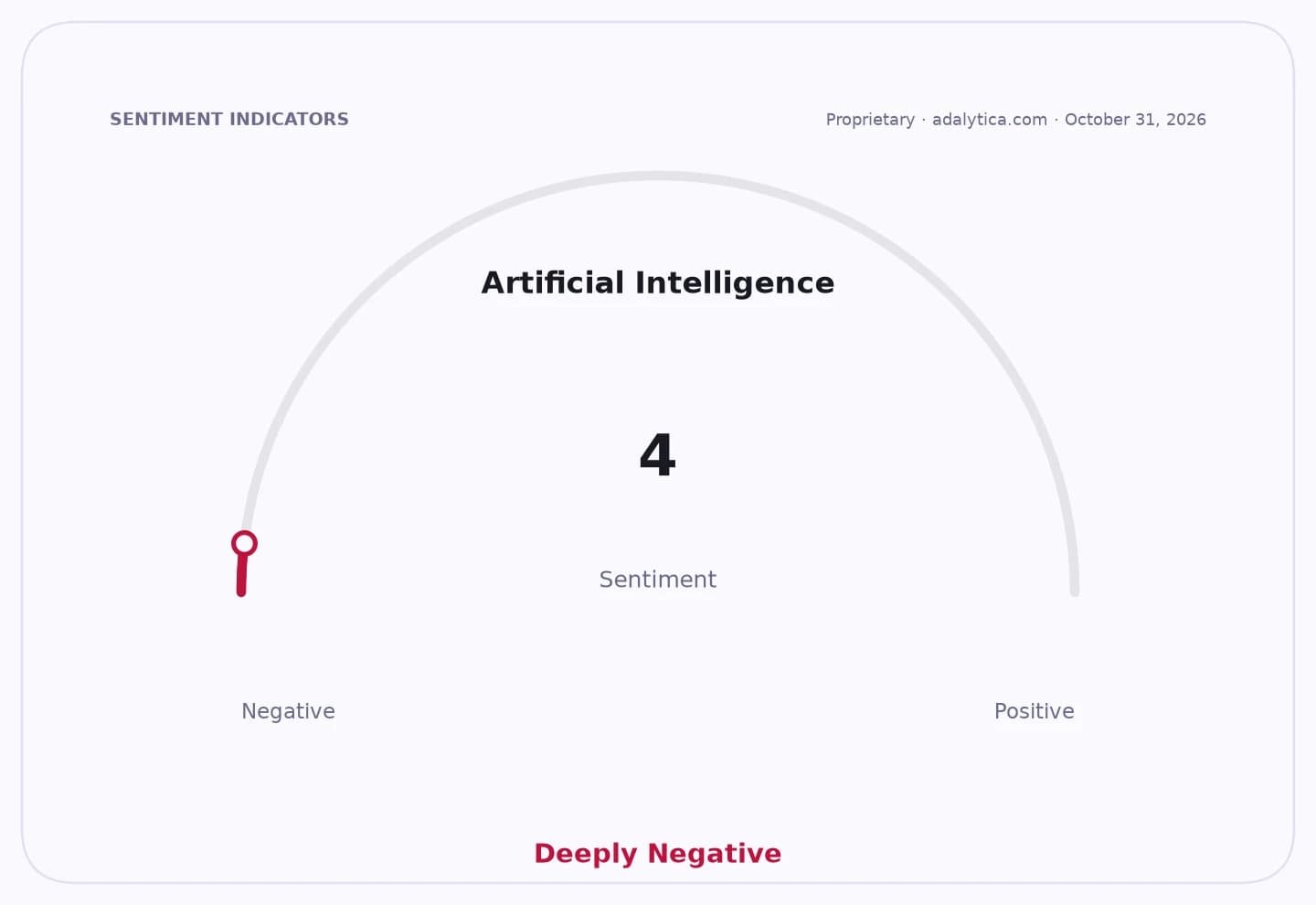
Sentiment Indicators
At Toronto family lawyer Steven Benmor’s practice, the pattern is now familiar: a client brings in a draft agreement, then returns with a 13-part list of revisions that looked machine-generated. He says explaining why the bot is wrong means more billable hours — a cost many clients are trying to avoid in the first place.
A spring survey by Cordell & Cordell found 80% of 133 family lawyers said clients had sent correspondence, draft pleadings or strategy suggestions they believed were generated with AI. That is helping turn what was once a niche tech curiosity into a daily workflow problem for divorce firms and, increasingly, for judges.
The stakes are high because bad advice in family court is expensive. Logan Burns, a pastor and roofing salesman in Georgia, said ChatGPT steered him toward a jurisdiction argument that the judge quickly rejected, forcing him to apologize in court. Another client described by Los Angeles lawyer Hossein Berenji followed chatbot advice on spousal support, only to spend nearly two years and two law firms before a court tentatively agreed his finances had changed.
Judges are also dealing with a rising flood of filings that appear to be AI-written, including fake citations and invented legal principles. Damien Charlotin, who tracks AI errors in court cases, has counted 148 family-law rulings in which judges flagged such mistakes, with more than 100 this year.
That matters economically because family law is a volume business for small firms and solo practitioners, and AI misuse can swell disputes instead of shortening them. For clients, the short-term appeal is obvious: a chatbot is cheap and available at midnight. But the long-term cost can be higher legal bills, sanctions, delays and, in some cases, a judge limiting future filings.
The trend also puts pressure on legal tech firms including Intuit’s TurboTax parent and document software providers such as DocuSign, whose products sit near the edge of do-it-yourself legal work even as courts push back on unverified filings. The broader market implication is that AI adoption is not always additive productivity; in sensitive consumer legal settings, it can create more friction and more liability.
For investors, the story is a reminder that AI’s fastest consumer uptake is not always in the most regulated or profitable use cases. In divorce and custody disputes, the technology can be cheap enough to spread quickly, but risky enough to trigger complaints, court sanctions and reputational damage for any platform seen as enabling bad legal outcomes.
The next catalyst is likely to be court enforcement and bar association guidance, as judges increasingly demand licensed lawyers sign filings and attorneys warn clients that chatbot answers are not a substitute for legal advice.
| Entity | Gains | Losses |
|---|---|---|
| AI chatbot platforms | ▲more usage | ▼credibility in legal advice |
| Family-law clients | ▲cheaper instant answers | ▼higher risk of errors |
| Family lawyers | ▲more billable cleanup work | ▼less client trust |
| Judges and courts | ▲fewer bad filings if rules tighten | ▼heavier docket burden |